How to Close a Korean Bank Account When Leaving Korea
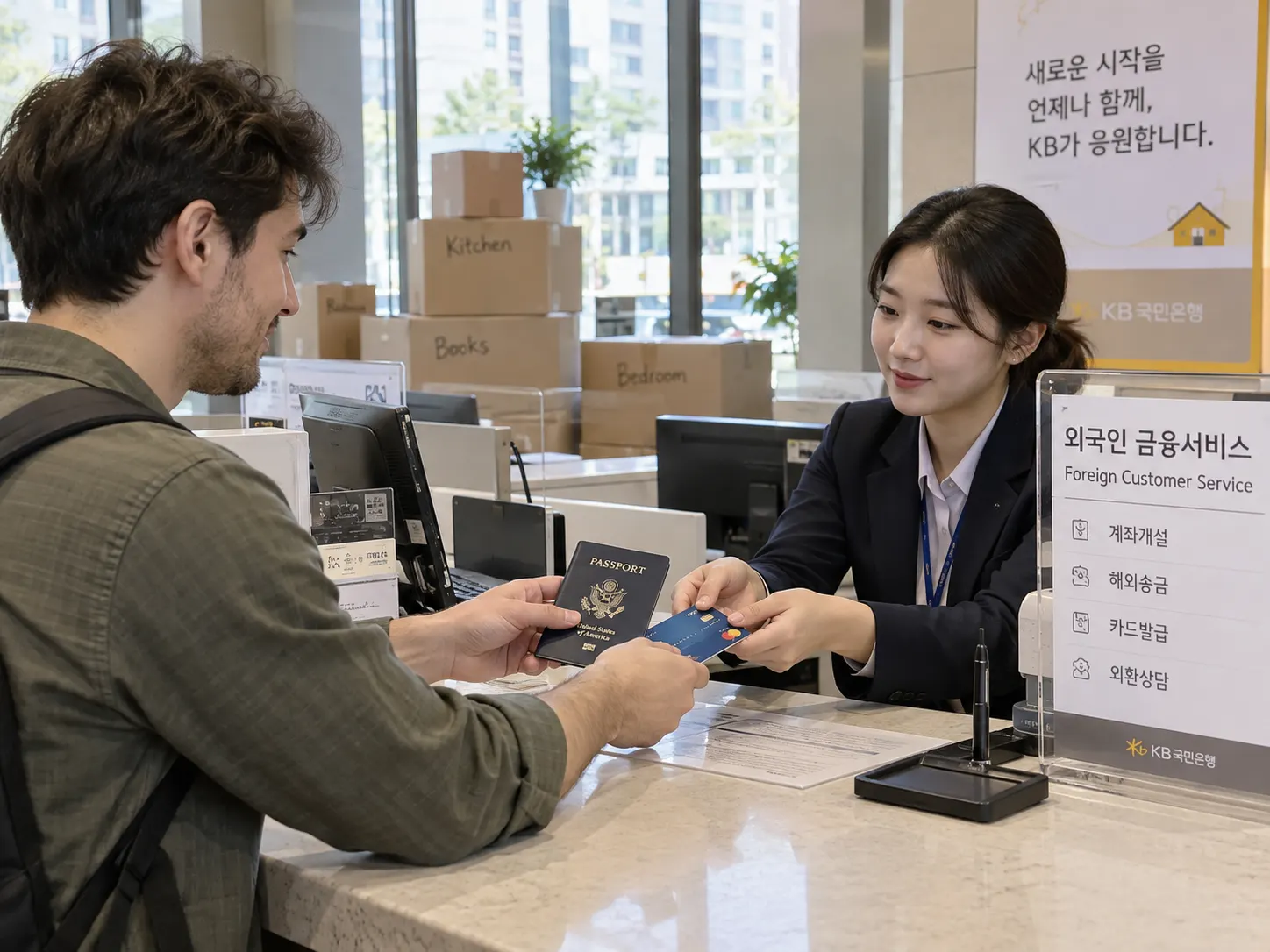
If you're preparing to leave Korea, closing your bank account is easy to postpone and expensive to forget. Closing a Korean bank account as a foreigner usually means settling your balance, ending autopay, and visiting a branch with your ARC and passport, ideally before you leave the country. Leaving it open can lead to dormant account fees, failed autopays, and credit record problems.
Here is how to wind down your accounts cleanly and what to do with your money.
The Quick Answer: What to Do and When
Start two to four weeks before departure. The order that causes the fewest problems is: cancel recurring payments, settle outstanding bills, transfer or withdraw your balance, then close the account. Some banks require an in-person visit with your ARC and passport, so do not leave this for your last day.
Step 1: End Recurring Payments First
List everything charged to the account:
- Utilities, internet, and mobile phone bills
- Gym memberships and subscriptions
- Rent and maintenance fees
- Insurance premiums and loan repayments
Cancel or move each one, and pay final bills before closing. Unpaid phone or utility arrears can follow you into your credit record, as covered in the credit score guide, so confirm final amounts rather than assuming they are zero.
Step 2: Settle Housing and Deposits
If you rent, make sure your rental deposit has been returned to your account before closing it. Deposit refunds can arrive after you move out, so coordinate the timing with your landlord and keep the account open until the money lands, or give the landlord an overseas account if the bank allows it.
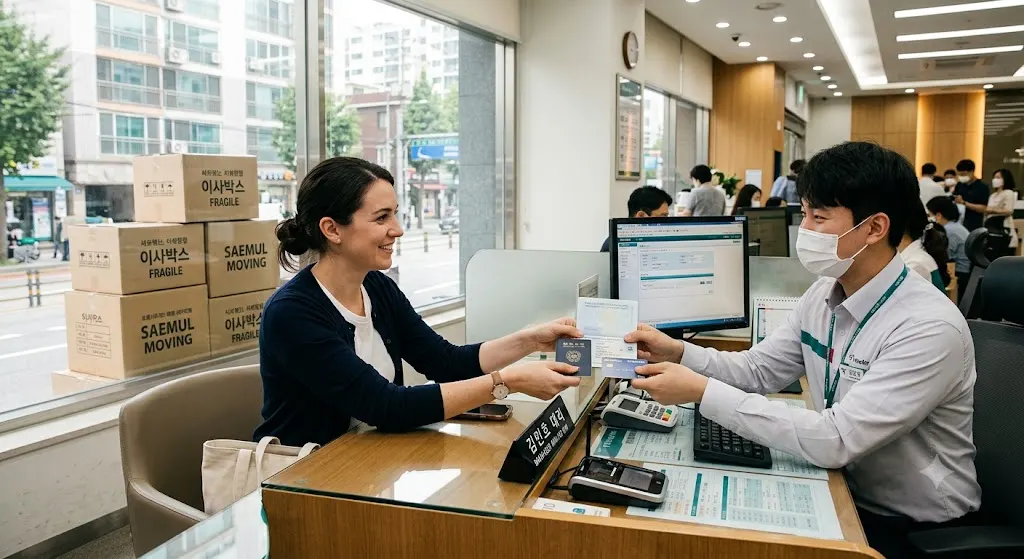
Step 3: Move Your Money
You can usually move your balance home in one of three ways:
- International wire through the bank, with documentation for larger amounts
- A remittance service, as compared in the sending money guide
- Cash withdrawal, which is limited by daily ATM and branch rules, and carrying more than roughly 10,000 USD in cash out of Korea requires a customs declaration, as covered in the money transfer guide
For large balances, ask your bank in advance what documents it needs, since foreign exchange rules may require proof such as pay slips or an employment certificate.
Step 4: Handle Pension and Tax Items
Before you go, check whether you are owed a National Pension lump-sum refund, as covered in the pension guide, and whether year-end tax settlement affects your final pay. A refund can be deposited after you leave, so decide in advance which account will receive it, since a closed account cannot.
Step 5: Close the Account
Visit the branch with:
- ARC and passport
- Your bank card or passbook
- The registered seal or signature, if you used one
Ask for a written confirmation that the account is closed. If you need to keep one account open for an expected payment, ask the bank about maintaining it while abroad, and be aware that some banks restrict or freeze accounts of non-residents or inactive accounts.
Common Mistakes
- Closing before the deposit or tax refund arrives. Keep an account until final payments land.
- Forgetting autopay. Failed payments generate late fees and credit issues.
- Waiting until the last day. Large transfers and branch visits take time.
- Leaving a small balance untouched. Dormant accounts can be frozen or charged fees.
- Not keeping closure confirmation. It is useful if a charge appears later.
Quick Summary
- Start closing your Korean bank account two to four weeks before you leave, beginning with canceling recurring payments and settling final bills.
- Wait for your rental deposit, pension refund, and any final pay to arrive before closing, or keep one account open until they do.
- Move money home by wire or remittance service, and check documentation and the customs rule for carrying large amounts of cash.
- Close the account in person with your ARC and passport, and keep written confirmation.