How to Find and Use Korean Government Subsidies and Support Funds
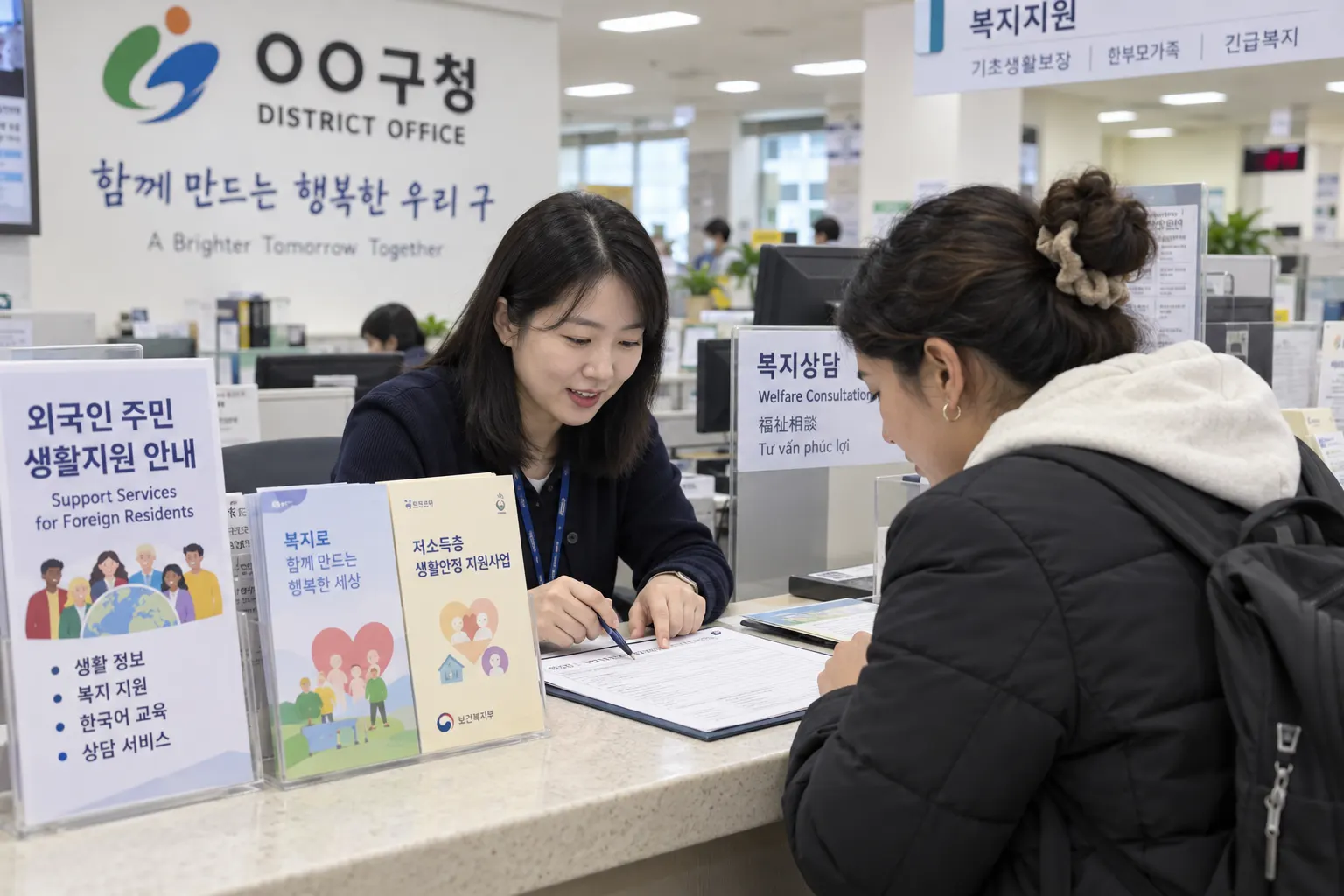
If you've heard Korean friends mention a "지원금" or a government voucher and wondered whether foreign residents can get anything similar, the answer is sometimes yes. Korean government support programs are mostly residency-based, and eligibility depends on your visa, your district, and your household situation. Many programs are announced through district offices and the Bokjiro portal, in Korean, so foreign residents often miss ones they qualify for.
This is general information. Programs change often, so confirm current eligibility with the program itself.
The Quick Answer: Where Programs Are Listed
- Bokjiro (복지로): the national welfare portal, with a search tool that matches programs to your situation.
- Your district office (구청, 주민센터): local programs for youth, families, students, and residents.
- Government24 (정부24): a general public services portal that also lists support programs.
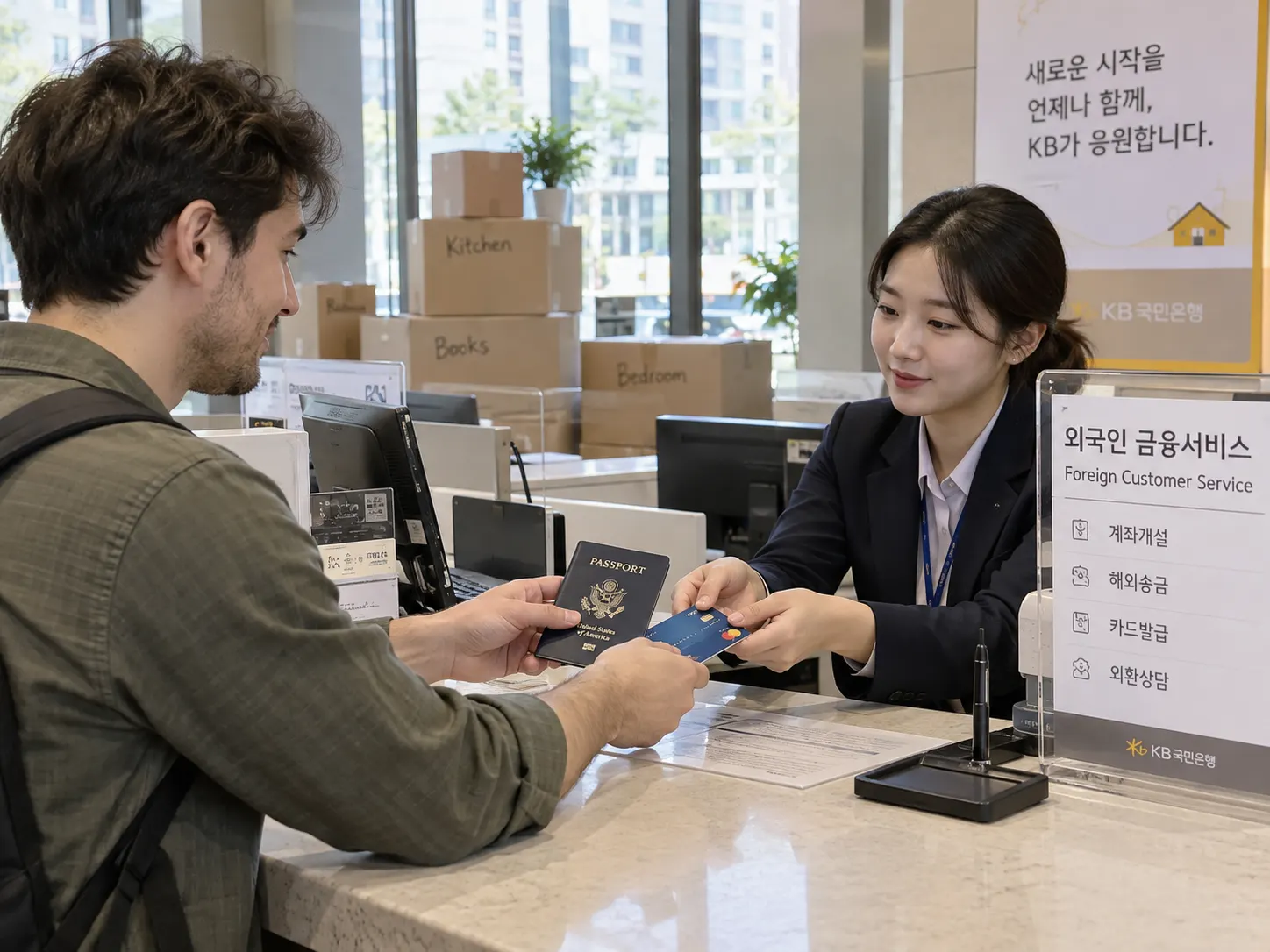
- Employer, university, or foreign resident support centers: often the best source of English guidance.
Many portals work best in Korean, so use a translation tool or ask a district office staff member for help.
Who Is Usually Eligible
Rules differ by program, but common patterns include:
- Many national programs target Korean citizens, marriage-based residents, or long-term residents with specific visas such as F-series
- Local and regional programs often depend on registered residence in that district, not nationality
- Some programs, such as emergency or disaster relief, may include foreign residents on a case-by-case basis
- Student, childcare, and housing programs often have income or household-size conditions
As covered in the housing subsidy guide, never assume blanket access or blanket exclusion. Check each program's conditions.
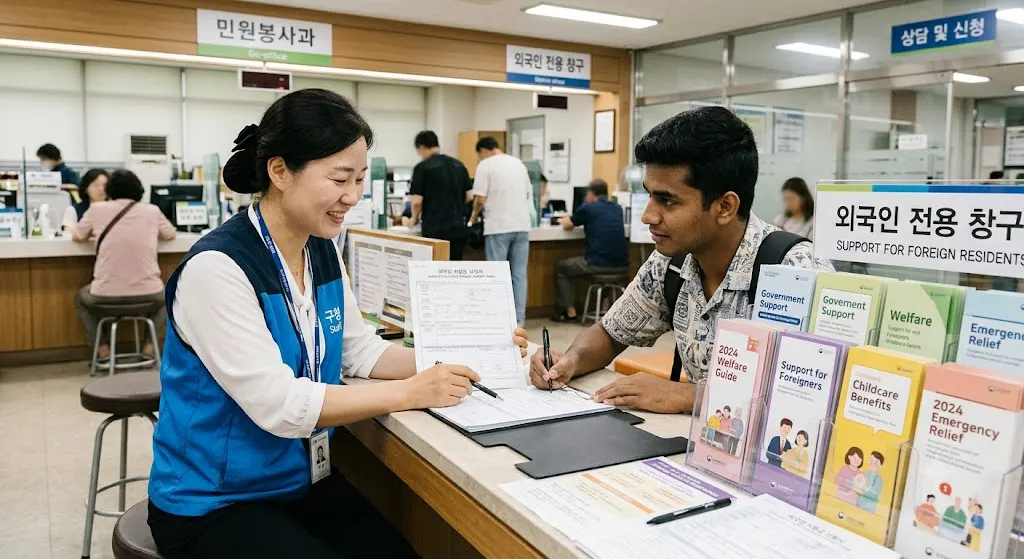
Common Types of Support
- Childcare and education support: child allowances, subsidized childcare, and school-related aid, often tied to a child's registration.
- Housing support: deposit loan guarantees and rent assistance, as covered in the housing subsidy guide.
- Youth and job-seeker programs: training vouchers and job-search support, as covered in the unemployment guide.
- Local resident benefits: transit passes, cultural vouchers, and health programs offered by districts.
How to Apply
- Search Bokjiro or ask your district office which programs fit your visa and household
- Confirm required documents, usually ARC, proof of address, family records, and income proof
- Apply online with verified identity, or in person at the district office
- Keep copies and track deadlines, since many programs have short windows
Common Mistakes
- Assuming foreigners never qualify. Many local programs are residency-based.
- Missing application windows. Deadlines can be short.
- Not checking income rules. Some programs are means-tested.
- Relying on old information. Policies change every year.
Quick Summary
- Korean support programs are listed on Bokjiro, Government24, and district office channels, and many are announced only in Korean.
- Eligibility depends on visa type, registered residence, and household or income conditions, so check each program rather than assuming.
- Local district programs are often residency-based and more accessible to foreign residents than national ones.
- Confirm documents and deadlines early, and ask your district office or a support center for help with language.