Korean Transportation Cards: Tmoney, Climate Card, and What Foreigners Should Choose
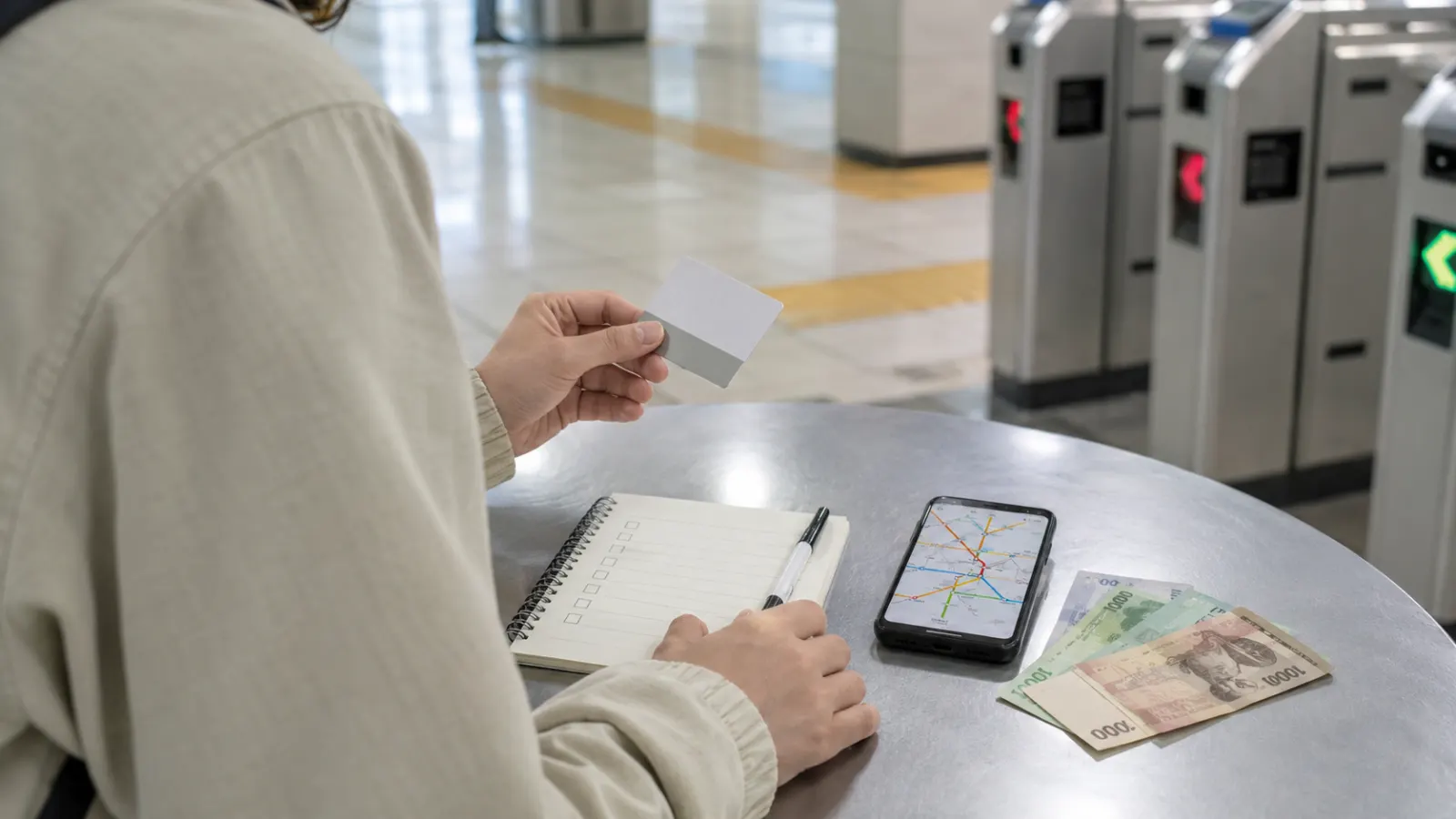
A foreigner arriving in Korea may expect public transportation to be simple because the subway and bus systems are fast, clean, and well connected. The confusing part often starts before the first ride: which card should you buy, where do you charge it, can you use a foreign card, and is a monthly pass actually worth it?
Korea’s transport system is convenient once you understand the payment structure. But tourists, students, remote workers, and long-term residents do not all need the same card. Choosing the wrong option can mean wasting money, carrying unnecessary cards, or getting stuck at a gate with no balance.
Why transportation cards matter in Korea
Korea’s subways and buses are built around tap-in and tap-out convenience. In Seoul and many other cities, a transportation card can be used across subway lines, city buses, and some taxis or convenience store payments depending on the card type.
The basic idea is simple: tap when entering, tap when leaving if required, and transfer between subway and bus within the allowed system. The problem is that foreigners often hear several names at once: Tmoney, Cashbee, Railplus, WOWPASS, Climate Card, K-Pass, and regional cards. Some are transport cards, some are payment products, and some are discount or pass systems layered on top of transportation.
The common misunderstanding is thinking there is one “best Korean transport card.” There is not. The best choice depends on where you stay, how long you stay, and how often you ride.
Tmoney is still the safest basic choice
For most first-time visitors, Tmoney is the simplest starting point. It is widely used, easy to understand, and available at convenience stores, subway stations, and tourist-friendly areas.
A Tmoney card is useful because it works for normal pay-as-you-go transportation. You add money to the card, tap it when riding, and recharge when the balance gets low. It is especially practical if you are moving between subway and bus because transfer discounts are usually handled automatically when you tap correctly.
Tmoney is best for:
- Short-term visitors
- First-time travelers
- People staying in more than one city
- Travelers who do not know their daily ride count
- Anyone who wants the least complicated option
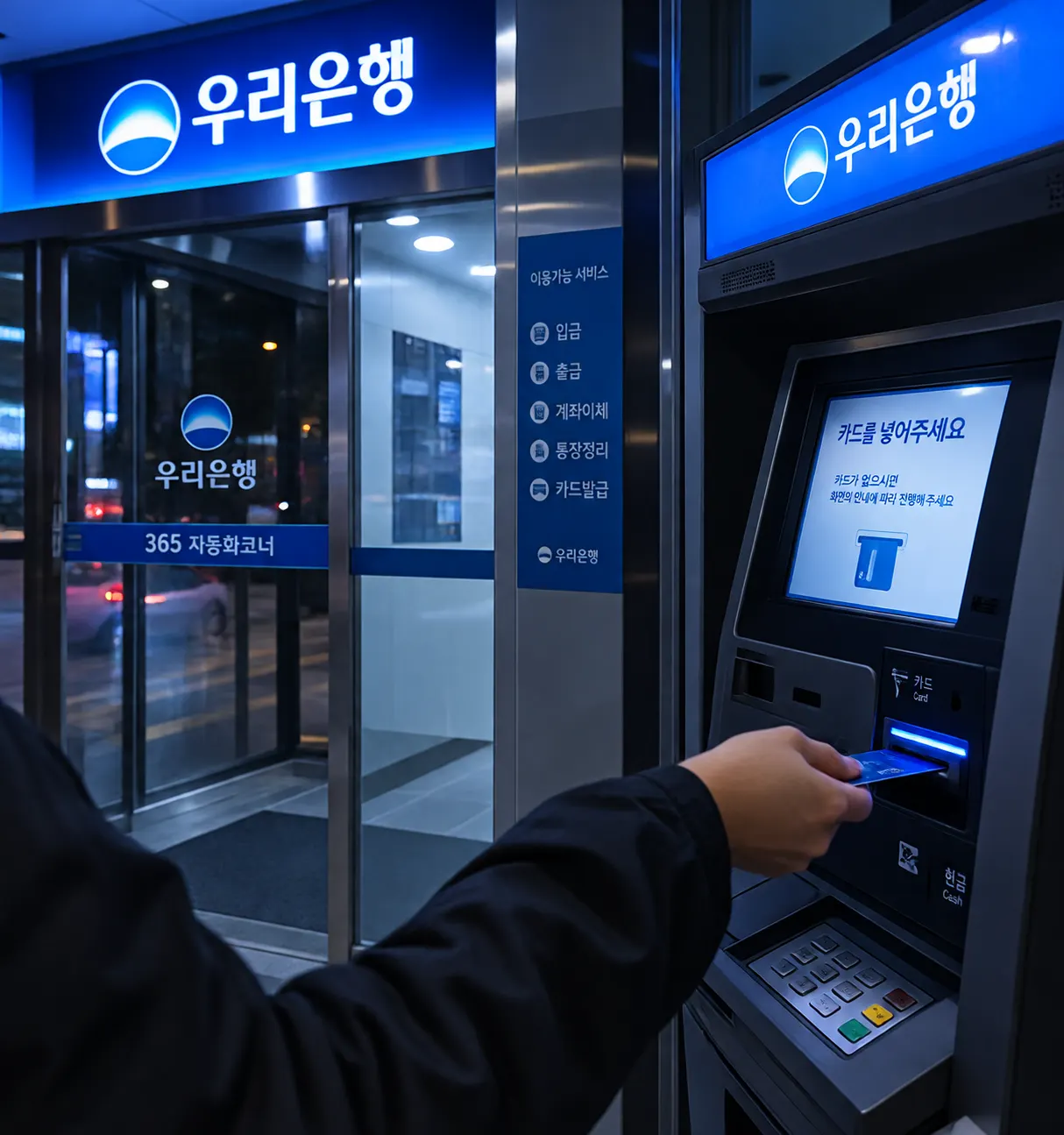
The downside is that charging may still feel less convenient than expected for foreigners. Depending on the machine, location, app, and card type, you may need cash or a Korean payment method. Do not assume every foreign credit card will work at every charging point.
Climate Card is better for frequent Seoul-area riders
The Climate Card is designed for unlimited use over a set period within supported transportation areas. For someone staying mostly in Seoul and riding public transport many times a day, it can be attractive.
But it is not automatically the best card for every foreigner. If you are only taking one or two rides a day, a normal Tmoney card may be cheaper. If you are making regional trips outside the covered area, you need to check whether the pass fits your actual route. If your itinerary includes airport travel, intercity buses, KTX, or cities outside the supported zone, the Climate Card may not cover what you imagine.
The Climate Card is more likely to make sense if you:
- Stay mostly in Seoul
- Ride subway or bus several times daily
- Have a predictable 30-day period of use
- Do not rely heavily on excluded regional routes
- Prefer one fixed transportation budget
It is less useful if you are in Korea for only a few days, staying outside Seoul, taking many taxis, or making long-distance trips.
K-Pass and discount systems are more resident-focused
Some Korean transport discount systems are designed more for residents than tourists. They may require registration, a Korean phone number, a local card, or app-based setup. This can make them less practical for short-term visitors.
This is a frequent pain point in Korea: the transportation system itself is easy to use, but discount systems can be harder because they sit inside Korea’s identity and payment infrastructure. A visitor may see an appealing benefit online but discover that registration is not simple without local verification.
For long-term residents, however, these systems may be worth checking. If you commute regularly, use public transportation many times a week, and have a Korean phone number and bank/card setup, a discount system can reduce monthly costs.
The practical rule is simple: tourists should choose convenience first. Residents should compare savings after they can register properly.
Foreign cards and mobile payments can be inconsistent
Korea is highly digital, but that does not mean every foreign mobile wallet or overseas card works smoothly with every transport setup. Offline card payments at shops may be easy, while transportation card charging or app registration may still be limited.
This is why foreigners should not rely on one payment method. Even if your foreign credit card works at cafés and hotels, keep a backup for transportation. A small amount of Korean cash can still be useful for charging cards at convenience stores or machines that do not accept your payment method.
Mobile options can also depend on phone type, app availability, card issuer, and local verification. Before depending on a mobile transport setup, test it with a small trip rather than discovering a problem during a rushed airport transfer or work commute.
Tourists should avoid over-optimizing
Short-term visitors often spend too much time trying to find the perfect card. For a one-week trip, the difference between cards may be smaller than the value of convenience.
If you are visiting Seoul, Busan, Jeju, or several cities, start with a standard transportation card unless your itinerary clearly supports a pass. Buy it early, charge enough balance, and learn the tap rules. If you later realize you are riding much more than expected in Seoul, then consider a pass.
Tourists should ask three questions:
- Am I staying mainly in Seoul?
- Will I ride public transportation many times every day?
- Can I easily buy, charge, and use the pass without local verification?
If the answer is no, a simple pay-as-you-go card is usually the better choice.
Students and long-term residents should calculate monthly habits
Students, workers, and long-term residents should think differently. Public transportation becomes part of the monthly budget, not just travel spending.
If you commute to school or work five days a week, your total cost can add up. A fixed pass or discount system may make sense, especially if your routes are covered and you can register properly. But if you live close to campus, walk often, bike, or work from home, a monthly-style option may not save much.
Before choosing, track your expected movement:
- Home to school or work
- Weekend trips
- Transfers between subway and bus
- Late-night taxi use
- Regional travel
- Bike-sharing or walking habits
The cheapest card is not always the one with the biggest advertised benefit. It is the one that fits your actual movement pattern.
Common mistakes foreigners make
The first mistake is buying multiple cards without knowing why. A traveler may end up with a Tmoney card, a tourist payment card, and a special pass, then use only one of them.
The second mistake is assuming airport, subway, bus, intercity train, and taxi systems all follow the same payment logic. Some cards work broadly, but long-distance transport and special services may require separate tickets or reservations.
The third mistake is forgetting to tap out where required. Incorrect tapping can affect transfer discounts or cause problems at the gate. The fourth mistake is not checking coverage. A pass that sounds perfect for Seoul may not work for a satellite city, regional bus, airport route, or intercity plan.
A simple decision guide
Choose Tmoney or a similar basic transportation card if you are a tourist, first-time visitor, or someone who wants the easiest setup. Consider Climate Card if you are staying mainly in Seoul for around a month and using subway and buses heavily. Look into resident-focused discount systems if you live in Korea, commute often, and already have the Korean phone, card, or verification setup needed.
Use separate long-distance tickets for KTX, intercity buses, and regional travel when needed instead of assuming your city transport card covers everything. Korea’s transportation system is excellent, but the payment options are not all designed for the same person. Match the card to your stay, not to the loudest recommendation online.
Quick Summary
- Tmoney is usually the simplest choice for tourists and first-time visitors.
- Climate Card can be useful for frequent Seoul-area riders, but only if the covered routes match your real travel pattern.
- Resident-focused discount systems may require Korean phone, card, or identity verification.
- Foreigners should keep a backup payment method because charging and mobile options can vary by location and setup.