Using ATMs in Korea: How Foreign Visitors and Residents Can Avoid Common Problems
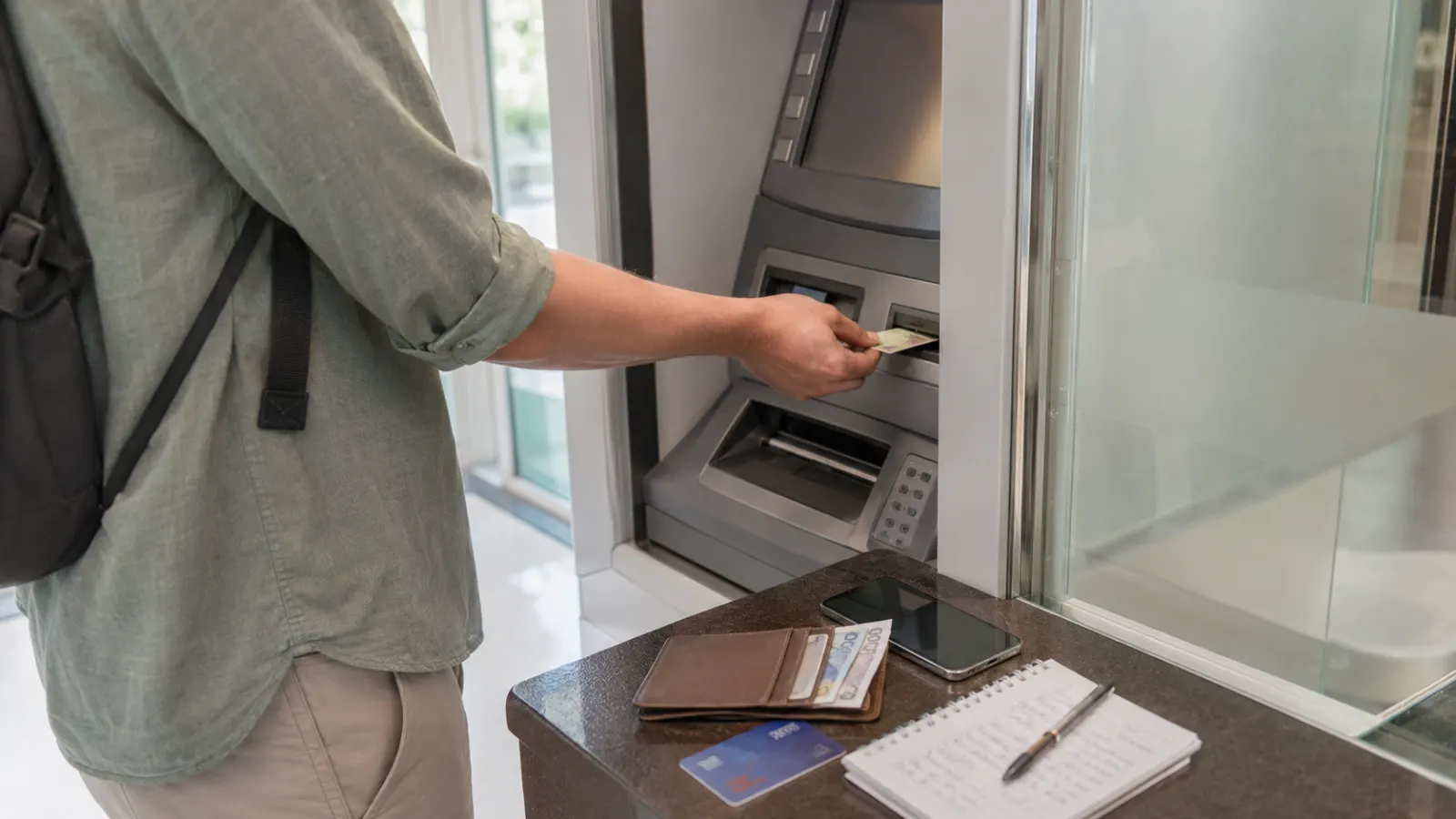
With credit cards and mobile payments widely accepted in Korea, it is easy to assume you will rarely need cash. However, there are still situations where cash is useful, such as shopping at traditional markets, paying small businesses, loading transportation cards, or visiting rural areas.
For many foreigners, the first ATM transaction in Korea can also be the first unexpected challenge. Not every ATM accepts overseas cards, some machines only operate in Korean, and withdrawal limits or fees may be different from what you expect.
Understanding how Korean ATMs work before you need cash can save both time and unnecessary stress.
Not every ATM accepts foreign cards
One of the biggest misunderstandings is assuming every ATM in Korea works with international debit or credit cards.
While many machines support international payment networks, some are designed mainly for domestic bank customers. If your card is rejected, it does not necessarily mean there is a problem with your account.
ATMs located in the following places are generally more likely to support foreign-issued cards:
- International airports
- Major subway stations
- Large commercial districts
- International hotels
- Branches of major Korean banks
- Popular tourist neighborhoods
Many compatible ATMs display international payment network logos near the screen or card slot.
Bank ATMs and convenience store ATMs are different
Korea has two common types of ATMs.
The first is located inside or outside bank branches. These machines usually provide more banking functions, better customer support during business hours, and broader international compatibility.
The second type is found inside convenience stores. These are extremely convenient because many operate 24 hours a day. However, available services, supported cards, withdrawal limits, and fees can vary depending on the operator.
If an ATM declines your transaction, trying another machine operated by a different bank often solves the problem.
Check with your bank before traveling
Some international cards require overseas ATM withdrawals to be enabled before departure. Before coming to Korea, verify:
- International ATM access is activated.
- Your daily withdrawal limit is sufficient.
- Your PIN works internationally.
- Your bank knows you will be traveling.
- Foreign transaction fees are understood.
This simple preparation prevents many common problems.
Dynamic currency conversion is not always the best option
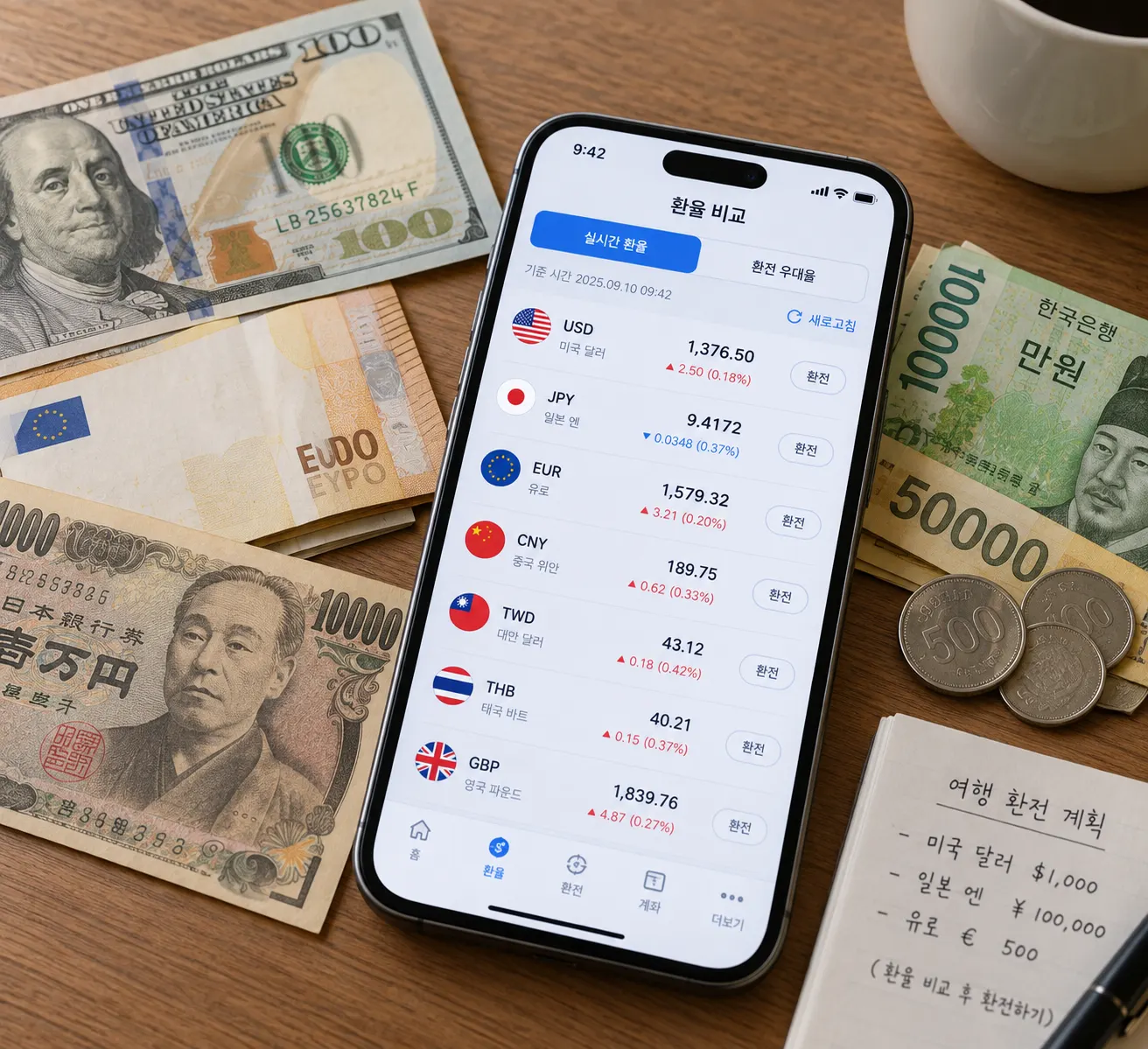
Some international ATMs ask whether you want the withdrawal processed in your home currency instead of Korean won. Although this may appear convenient, it often results in a less favorable exchange rate. Many experienced travelers prefer allowing the transaction to remain in Korean won and letting their own bank perform the currency conversion.
Before confirming, carefully read which currency is being used.
Withdrawal fees can come from two places
Foreigners sometimes focus only on the ATM fee displayed on the screen. In reality, your total cost may include:
- Fee charged by the Korean ATM operator.
- Foreign ATM fee charged by your home bank.
- Currency conversion fee.
- Exchange rate difference.
Comparing only one fee may underestimate the true withdrawal cost.
Cash is still useful in Korea
Although Korea is one of the world's most cashless societies, keeping a small amount of cash remains practical. Cash may be useful for:
- Traditional markets
- Small local vendors
- Street food
- Transportation card top-ups at certain locations
- Rural travel
- Emergencies when card payments temporarily fail
Most visitors do not need to carry large amounts of cash each day.
ATMs often offer English
Many ATMs operated by major banks include English interfaces. Some also provide additional languages such as:
- Chinese
- Japanese
The translation quality varies, but it is usually sufficient for standard withdrawals. If you accidentally select Korean, many machines allow you to return to the language selection screen before completing the transaction.
Safety tips
Korea is generally considered a safe country for ATM use, but standard precautions still apply. Try to:
- Use ATMs attached to banks whenever possible.
- Shield your PIN while entering it.
- Avoid accepting assistance from strangers.
- Take your receipt if it contains account information.
- Count your cash before leaving the machine.
If your card is retained by an ATM, contact your bank immediately and, if possible, speak with the bank branch where the machine is located.
What long-term residents should consider
If you plan to live in Korea for several months or longer, relying entirely on overseas ATM withdrawals may become expensive. Opening a Korean bank account can simplify daily life by reducing withdrawal fees, making salary deposits easier, and allowing access to more local payment services. Even if you continue using your overseas account, having both options provides greater flexibility.
Common mistakes foreigners make
Many ATM problems happen because users:
- Expect every ATM to support foreign cards.
- Forget their overseas withdrawal limit.
- Ignore exchange rate options.
- Depend on a single payment card.
- Carry no backup payment method.
A second debit or credit card can be extremely helpful if your primary card encounters temporary issues.
Final thoughts
Using ATMs in Korea is usually straightforward once you understand which machines support international cards and how fees are calculated.
For short-term visitors, keeping a backup payment card and a modest amount of cash is usually enough. For long-term residents, combining a Korean bank account with an international card often provides the greatest convenience and flexibility.
Quick Summary
- Not every Korean ATM accepts foreign-issued cards.
- Airport, major bank, and tourist-area ATMs are usually the safest choice.
- Compare total withdrawal costs, not just the displayed ATM fee.
- Choosing Korean won instead of home-currency conversion may provide a better exchange rate.
- Long-term residents should consider opening a Korean bank account to reduce everyday banking costs.