How Korean Utility Bill Autopay and Payment Methods Work
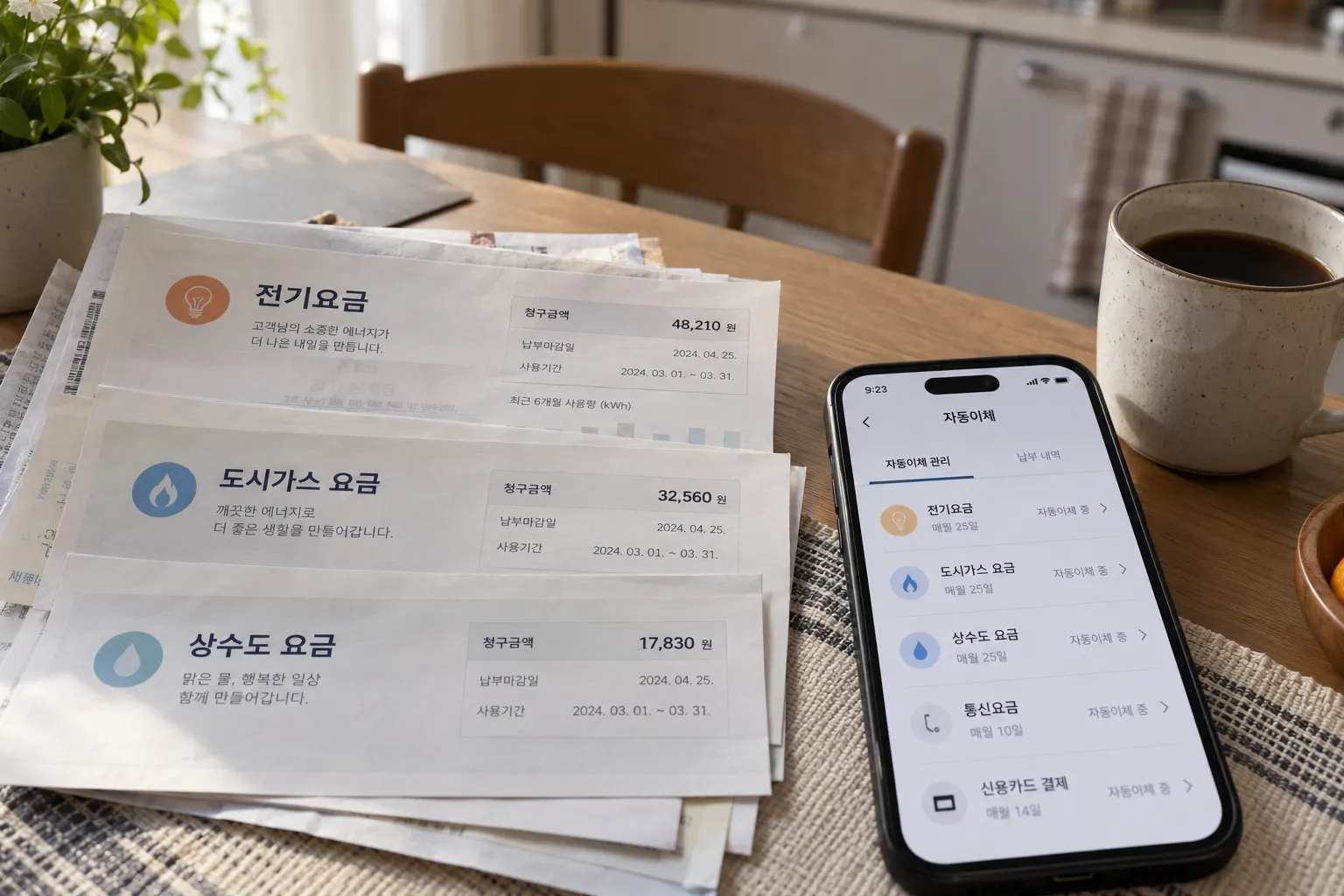
If you've moved into a Korean home and a paper bill has landed in your mailbox with a string of unfamiliar numbers, you've met the first step of utility payment in Korea. Paying utility bills in Korea is simple once you set up autopay, but the default is often a giro slip or an app payment that new residents miss. A missed bill can lead to late fees and, in some cases, service interruption, so it helps to set this up in your first month.
Here is how the main payment methods work and how to avoid late fees.
The Quick Answer: Three Ways to Pay
Most households pay utilities in one of three ways:
- Autopay (자동이체) from a Korean bank account or card, set up once
- Giro payment (지로) using the printed bill, paid at a bank, ATM, or convenience store
- App or online payment, through a bank app, a payment app, or the provider's own site
Autopay is the lowest-effort option, and some providers even offer a small discount for it.
Which Bills You Will See
Which bills reach you depends on your housing type, as covered in the apartment utility setup guide:
- Electricity (KEPCO), gas, water, and internet are often billed separately in standard apartments
- In many officetels, water and sometimes electricity are folded into the monthly maintenance fee (관리비)
- Mobile phone bills are separate and usually paid by autopay or card
Check with your landlord or building management which bills you pay directly and which are bundled.
Setting Up Autopay
- Open a Korean bank account first, since autopay generally requires one.
- Find the provider's autopay option on their website or app, or ask at a bank branch.
- Enter your customer number, which appears on the bill, and link your account or card.
- Confirm the withdrawal date and keep enough balance in your account that day.
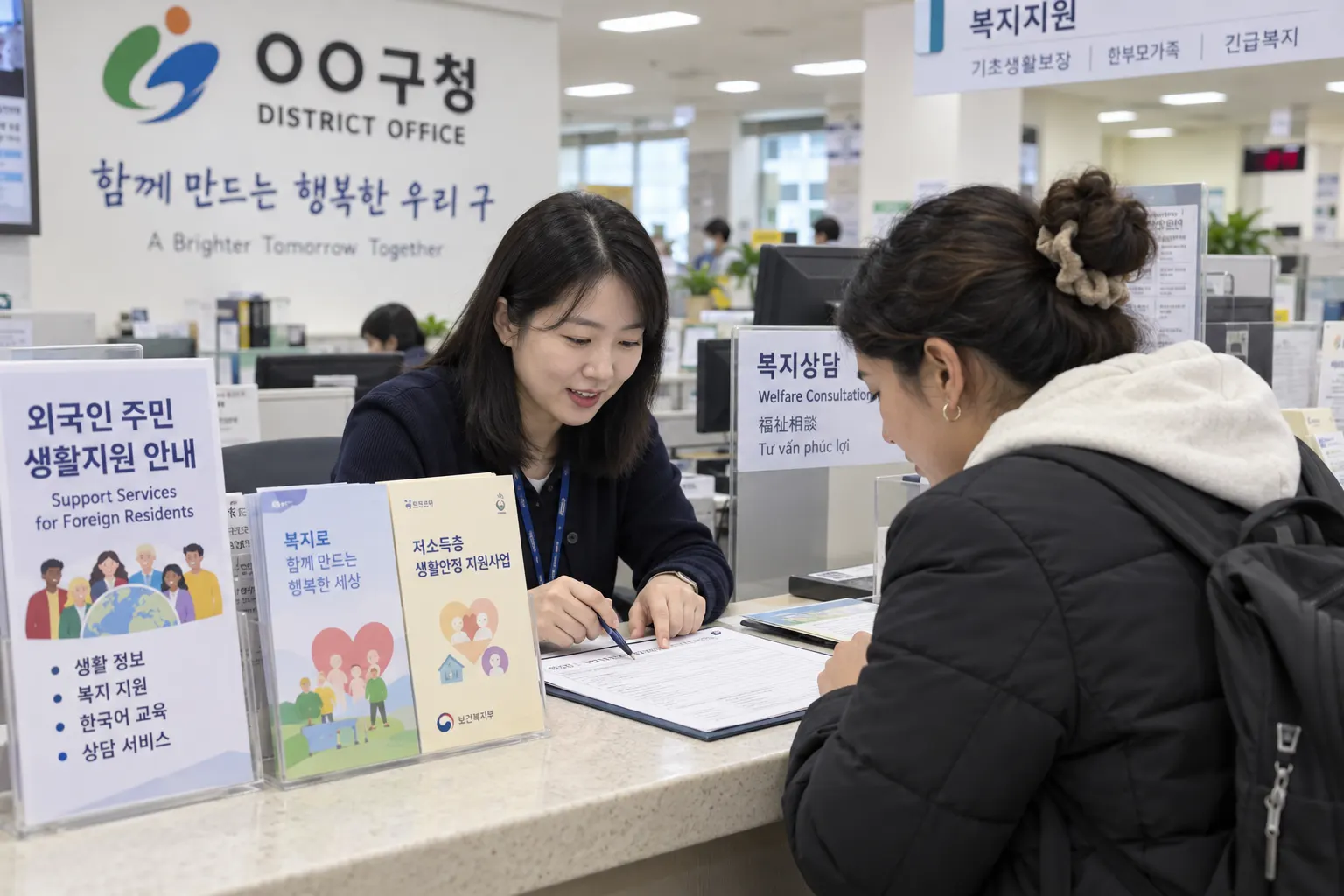
Some providers allow autopay setup only through a bank or an in-person visit, so be ready to use a translation app or bring a Korean-speaking friend if needed.
Paying a Giro Bill Manually
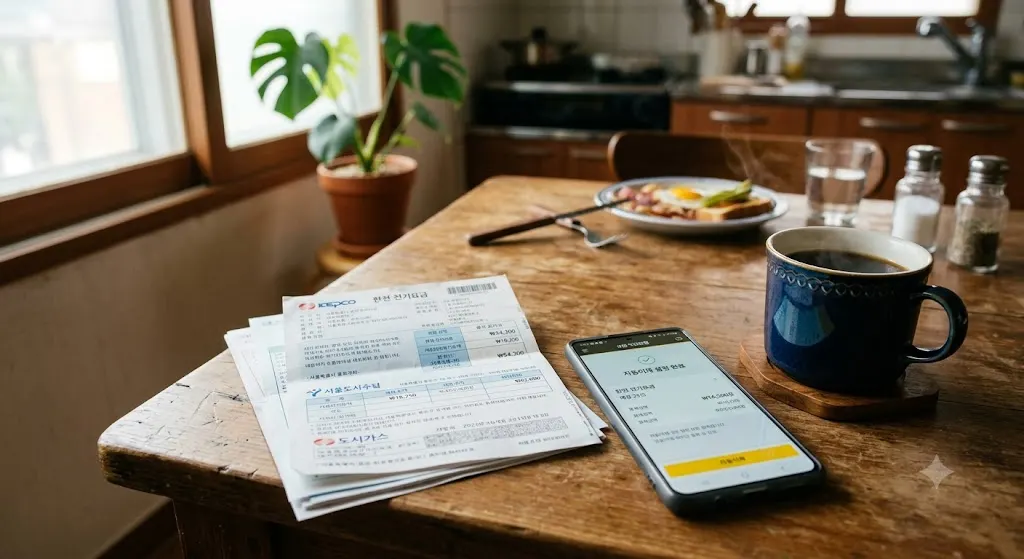
If you do not have autopay yet, you can pay the printed giro slip:
- At a bank counter or ATM
- At many convenience stores, which often accept bill payments
- Through a mobile banking app by scanning the bill barcode or entering the electronic payment number
Keep the due date in mind, since the printed bill states a deadline and a later surcharge.
What Happens When You Pay Late
Late payment usually adds a surcharge, and repeated nonpayment can lead to service interruption. For electricity and gas, a short delay is generally handled with a fee, but ongoing arrears can escalate. Telecom nonpayment can also affect your credit record, as covered in the credit score guide, so treat small unpaid bills seriously.
Common Mistakes
- Not setting up autopay. Missed paper bills are the most common reason for late fees.
- Not keeping enough balance on the withdrawal date. A failed autopay can still count as late.
- Assuming everything is in the maintenance fee. Confirm which utilities are billed separately.
- Ignoring bills sent to a previous tenant's name. Transfer accounts into your own name.
Quick Summary
- Korean utilities can be paid through autopay, giro slips, or apps, and autopay is the easiest way to avoid late fees.
- Which bills you pay directly depends on your housing type, so confirm with your landlord or building management.
- Set up autopay with a Korean bank account and keep enough balance on the withdrawal date.
- Late payments bring surcharges and can lead to service interruption or credit record problems.