Lifestyle
How Korean Second-Language and Foreign Language Cafes Work
By New In Korea TeamPublished Updated
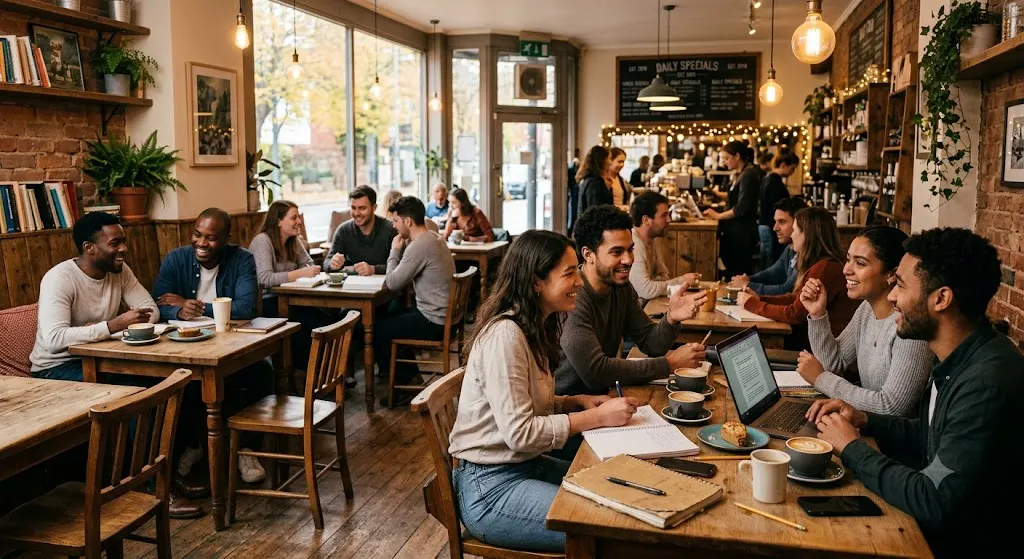
If you've heard about "language exchange cafes" or "language cafes" in Korea and wondered whether they're a genuine way to practice Korean while meeting people, or just another coffee shop with a gimmick, these venues represent a distinct and genuinely useful category of social space for foreign residents, blending casual coffee shop culture with structured or semi-structured language practice in a way that's become particularly popular in Seoul's university districts.
Here's how Korean language exchange cafes actually work, and how to get real value from them.
What a Language Exchange Cafe Actually Is
- A dedicated venue, sometimes a standard cafe with a specific language exchange event schedule, sometimes a space built specifically around this purpose, bringing together Korean speakers wanting to practice a foreign language and foreign residents wanting to practice Korean, structured around mutual benefit rather than a one-directional tutoring dynamic.
- Formats vary considerably, some operate as scheduled events with rotating conversation partners and timed language-switching segments, others function more as an open, casual meetup space where you find a conversation partner organically.
- Distinct from paid language tutoring, this is generally a free or low-cost, mutual exchange model, rather than one party paying the other for instruction, understanding this distinction matters for setting appropriate expectations about the interaction's actual structure.
Where to Find These Spaces
- University districts, particularly around Hongdae, Sinchon, and similar areas with concentrated international and Korean student populations, tend to have the highest concentration of dedicated language exchange cafes and regularly scheduled meetup events.
- Language exchange apps and meetup platforms often organize specific in-person events at partner cafes, checking these platforms for scheduled events in your specific area matters more than assuming any given cafe hosts language exchange informally without a scheduled event.
- University international student offices sometimes maintain lists of recommended language exchange venues or organize their own language partner matching programs specifically for enrolled students, worth checking this resource if you're a student rather than relying solely on general public venues.
How to Actually Get Value From These Events
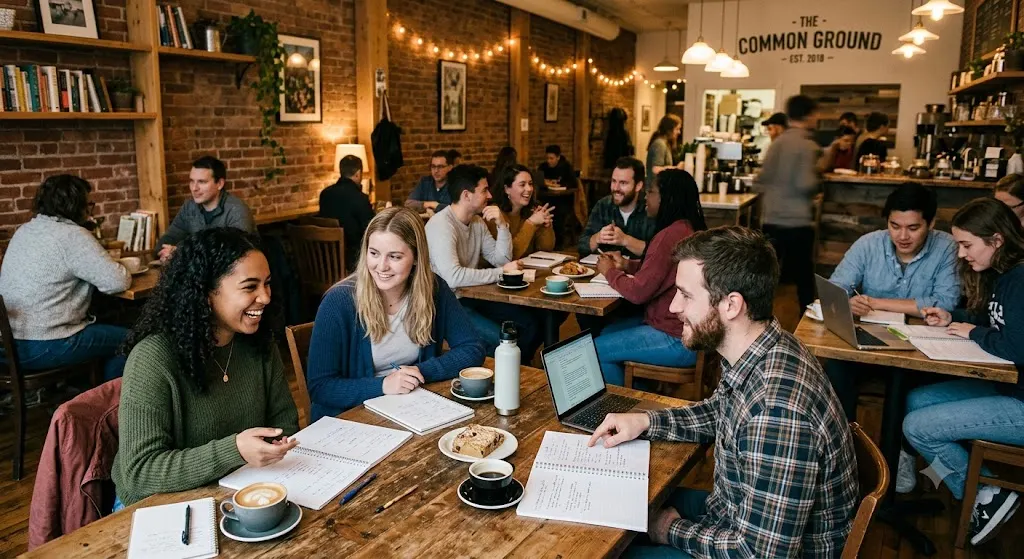
- Come with specific practice goals, rather than expecting a passive learning experience, having specific vocabulary or conversation topics you want to practice tends to produce a more focused, useful session than an unstructured, meandering conversation.
- Be genuinely willing to reciprocate, providing real value to your conversation partner's target language practice, not just extracting Korean practice for yourself, the mutual exchange model works best when both parties genuinely engage with helping each other.
- Manage the balance between comfortable and challenging conversation, defaulting entirely to English because it's easier limits your actual Korean practice value, while some initial fallback to English when genuinely stuck is normal and expected, pushing yourself toward Korean when reasonably possible produces better learning outcomes.
What These Spaces Are Good and Not Good For
- Casual conversational practice and cultural exchange represent the genuine strength of this format, building comfort with spontaneous, natural conversation in a low-pressure social setting distinct from structured classroom learning.
- Building a broader social network beyond pure language practice, many genuine friendships and even professional connections develop through consistent language exchange cafe attendance, understanding this social dimension as a genuine additional benefit, not just a language-learning tool.
- Not a substitute for structured grammar or systematic language study, as covered in how Korean language learning programs work more broadly, language exchange cafes complement rather than replace more structured study for genuinely building comprehensive language competency, particularly for grammar and reading/writing skills less naturally developed through casual conversation alone.
Common Mistakes and Misunderstandings
- Treating the exchange as one-directional tutoring, expecting a Korean conversation partner to function essentially as an unpaid, ad hoc Korean teacher without genuinely reciprocating value for their own language learning goals.
- Defaulting to English too readily, undermining the actual language practice value of attending specifically for Korean conversation practice, particularly relevant if your primary goal is genuinely improving Korean rather than simply socializing.
- Not researching a specific venue or event's actual format beforehand, arriving expecting a structured rotation format when the actual event is more casual open meetup style, or vice versa, checking event descriptions or asking previous attendees helps set accurate expectations.
- Relying entirely on this format for language development, missing the value of combining casual conversation practice with more structured study covered elsewhere for comprehensive language skill development.
Quick Summary
- Language exchange cafes bring together Korean speakers and foreign language learners for mutual conversation practice, distinct from paid tutoring, concentrated particularly in university districts like Hongdae and Sinchon.
- Formats range from structured rotating conversation events to casual open meetup spaces, checking a specific venue or event's actual format beforehand helps set accurate expectations.
- Coming with specific practice goals, genuinely reciprocating value for your conversation partner, and pushing toward Korean rather than defaulting to English produces better practice outcomes.
- These spaces excel at casual conversational practice and social connection but work best as a complement to, not a replacement for, more structured Korean language study.