Lifestyle
How Korean Weather Apps and Seasonal Alerts Actually Work
By New In Korea TeamPublished Updated
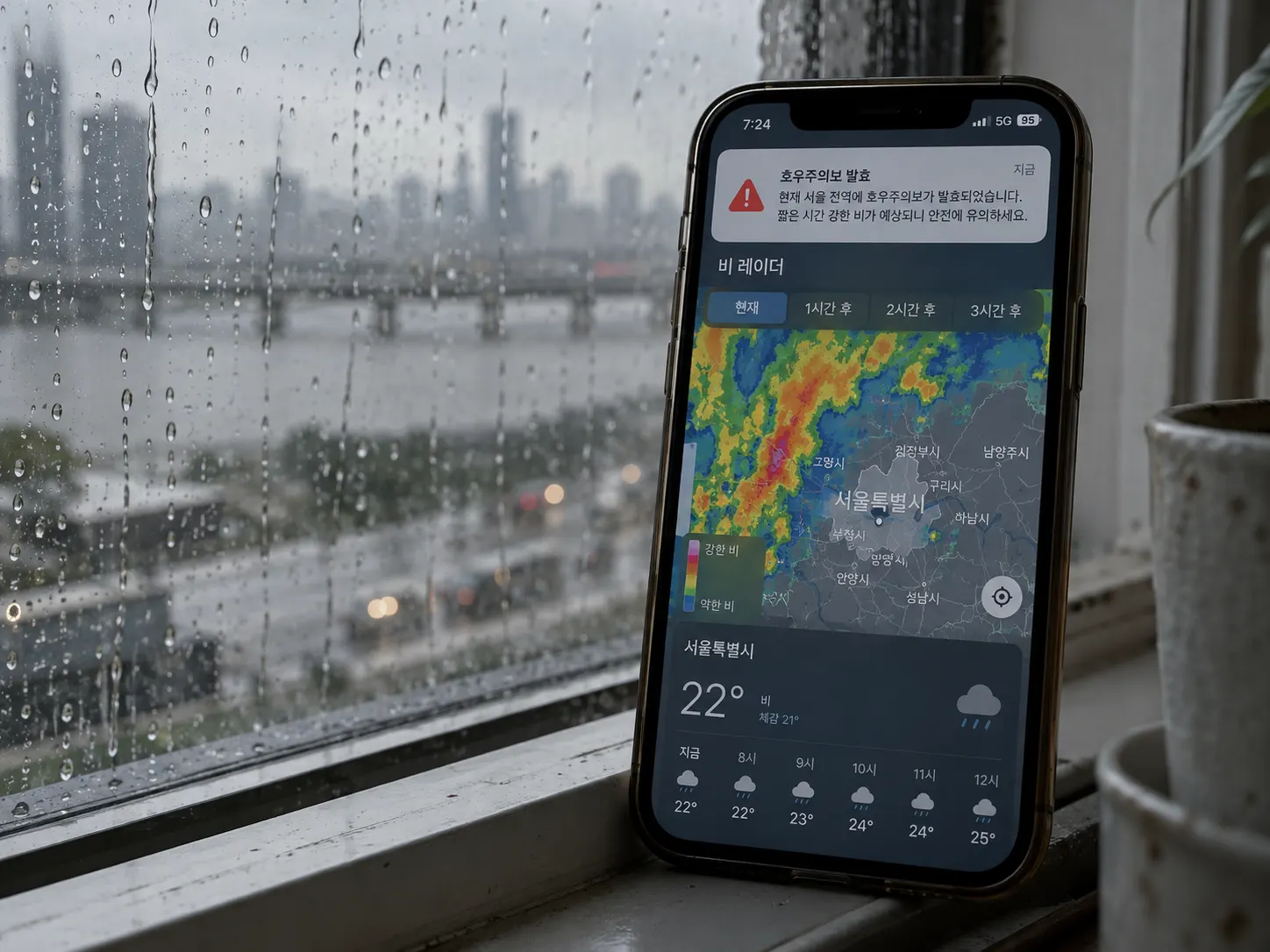
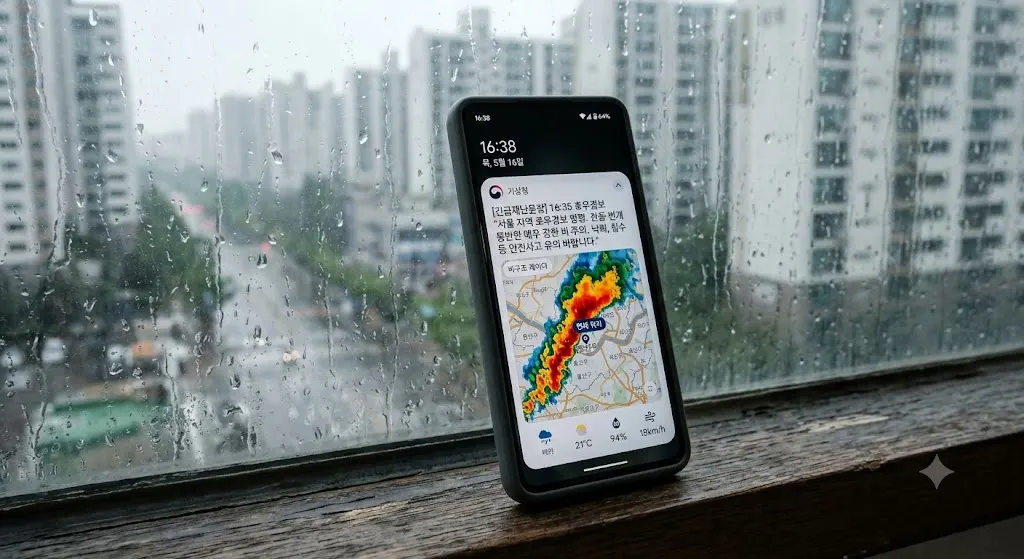
If your phone has buzzed with a Korean emergency alert about heat, heavy rain, or fine dust and you couldn't read it, you've met the national alert system. Korean weather alerts are sent to every phone in an affected area, and they matter because Korea's seasons bring typhoons, monsoon rains, heat waves, and cold snaps. Setting up a weather app and understanding the alerts takes only a few minutes.
The Quick Answer: Where Alerts Come From
- Emergency text alerts: sent by the government to phones in the area, with a distinctive sound and often only in Korean
- Korea Meteorological Administration (KMA): the official source for forecasts and warnings
- Weather apps: Naver, Kakao, and international apps provide forecasts, rain radar, and alerts
- Air quality apps: show fine dust and ultrafine dust levels, as covered in the public health guide
What the Alerts Mean
- Advisory (주의보): conditions may become hazardous, so prepare
- Warning (경보): dangerous conditions, so take precautions or stay inside
- Typhoon alerts: track the storm's path and follow local instructions
- Heat and cold waves: limit outdoor activity and check on vulnerable neighbors
If you can't read an alert, use a translation app on the message and check the KMA site or a weather app for details.
Seasonal Things to Watch
- Summer monsoon and typhoons: heavy rain can flood basement apartments and low roads, so avoid semi-basement housing if possible and keep valuables off the floor.
- Heat waves: humidity makes temperatures feel hotter, so hydrate and use air conditioning.
- Winter cold: wind chill and icy sidewalks, as covered in the seasonal clothing guide.
- Fine dust days: check levels before outdoor exercise and consider a mask on high days.
Setting Up Your Phone
- Allow emergency alerts in your phone settings
- Install a weather app with Korean radar and an air quality app
- Save your district for local alerts
- Learn a few terms: 비 (rain), 태풍 (typhoon), 폭염 (heat wave), 한파 (cold wave), 미세먼지 (fine dust)
Common Mistakes
- Turning off emergency alerts. They may protect you.
- Ignoring alerts in Korean. Translate them.
- Trusting one forecast only. Compare sources during storms.
- Underestimating flood risk in low-lying housing. Check before renting.
Quick Summary
- Korea sends emergency weather alerts to phones, usually in Korean, so keep alerts on and use translation if needed.
- KMA and local weather and air quality apps give forecasts, warnings, and dust levels.
- Advisories mean prepare, while warnings mean take precautions or stay inside.
- Prepare for monsoon floods, heat, cold, and fine dust days with the right apps and a few key Korean terms.