Business
How Korean Companies Handle Business Trips and Travel Expenses
By New In Korea TeamPublished Updated
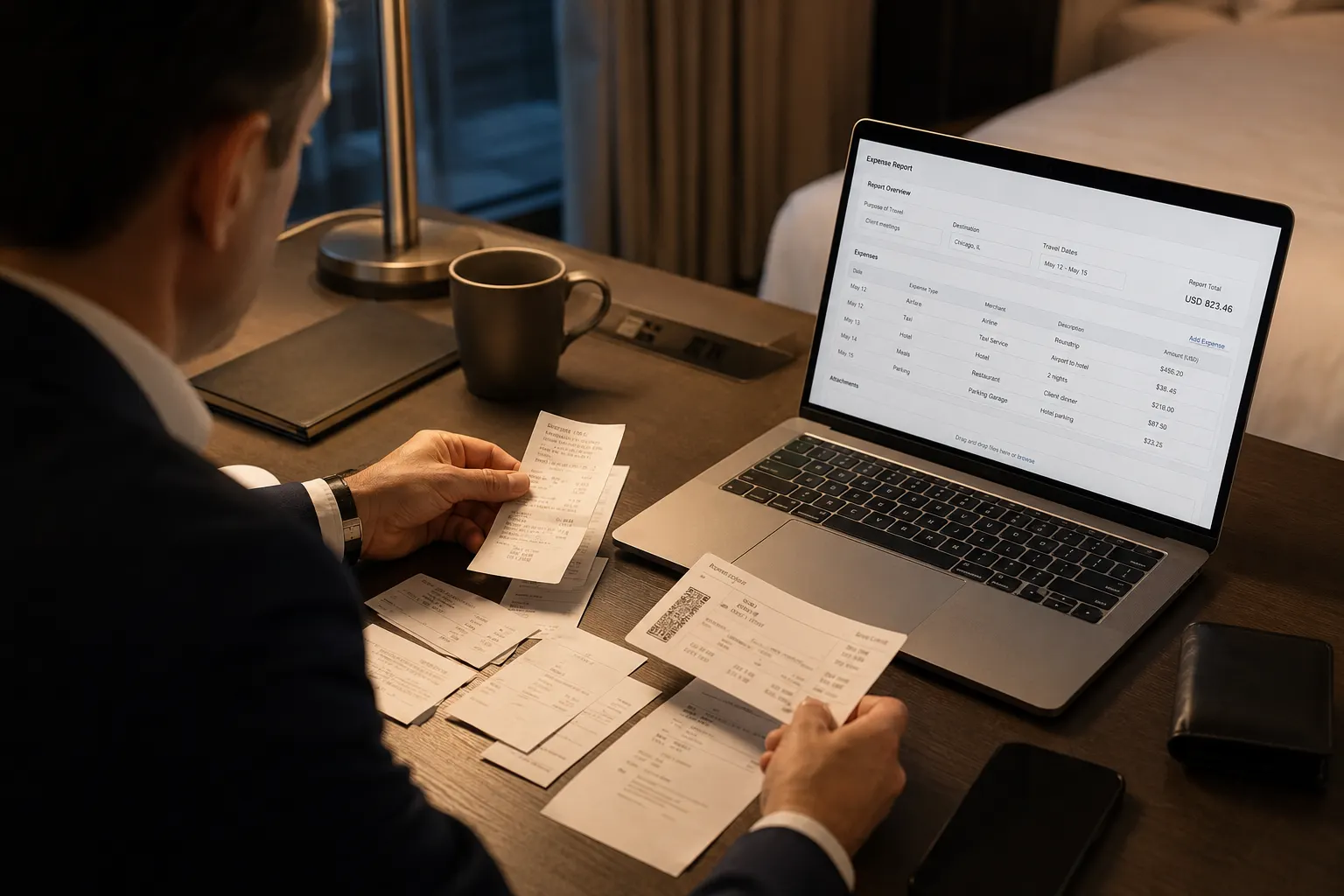
If you've been asked to take a business trip for a Korean company and aren't sure how expense reimbursement actually works, what's typically covered, or how per diem calculations are structured, the system involves more specific documentation requirements than expense processes in some other countries, and understanding the expected paperwork upfront avoids delayed reimbursement or awkward conversations with finance.
Here's how Korean business trip logistics and expense reimbursement typically work.
How Trip Approval and Booking Generally Works
- Business trip requests generally require formal approval through an internal system before booking, rather than booking independently and submitting for reimbursement afterward, understanding your specific company's approval workflow before planning any trip logistics avoids booking something that then isn't properly authorized for reimbursement.
- Travel booking is sometimes handled centrally through a company travel coordinator or designated booking system, particularly at larger companies, rather than employees booking flights and hotels independently, worth checking whether this applies at your company before making independent arrangements.
- Domestic versus international trips often follow different approval and budget tiers, international travel generally requiring more senior-level approval given the higher cost and more complex logistics involved.
Per Diem and Expense Categories
- Per diem (일비), a fixed daily allowance for meals and incidental expenses during a business trip, is common at many Korean companies, generally calculated based on destination and sometimes seniority level, understanding your specific company's per diem rate and what it's actually meant to cover (versus what requires separate itemized reimbursement) matters for accurate expense planning.
- Transportation costs, flights, KTX tickets, local transit or taxi during the trip, are generally reimbursed based on actual receipts rather than a flat allowance, keeping all transportation receipts, including local transit cards used during the trip, is generally expected.
- Accommodation, usually reimbursed based on actual cost within a specified budget tier appropriate to the destination and employee level, some companies specify particular approved hotel partnerships or booking platforms for this purpose.
Documentation Requirements
Korean expense reimbursement processes tend to be fairly document-heavy compared to some other systems, reflecting both standard corporate accounting practices and specific Korean tax documentation conventions.
- Original receipts for all itemized expenses, rather than credit card statements alone, are generally required, digital or scanned copies are increasingly accepted at many companies, but confirming your specific company's requirement (physical original versus digital scan) before discarding paper receipts matters.
- A formal expense report, typically submitted through an internal system, itemizing each expense category against your approved trip budget, generally required within a specific window after returning from the trip.
- Tax invoice requirements (세금계산서) sometimes apply for larger business expenses, particularly relevant for accommodation or larger transportation bookings, since Korean businesses that fail to obtain proper tax documentation for significant expenses can create complications for their own corporate tax filing, not just your personal reimbursement.
Common Points of Confusion for Foreign Employees
- Assuming per diem covers everything, when in practice per diem often specifically covers meals and minor incidentals, while transportation and accommodation are separately reimbursed based on actual documented cost, understanding this split avoids either under-spending unnecessarily or over-spending assuming a blanket allowance covers more than it does.
- Not understanding company-specific booking requirements, booking independently when a centralized booking process was expected can create reimbursement complications, even if the actual expense itself was reasonable.
- Losing or not properly saving receipts, particularly for smaller expenses like local transit or minor purchases during a trip, that individually seem too small to matter but collectively affect the accuracy of your final expense report.
- Missing the submission deadline for expense reports, most companies specify a window (often within a couple of weeks of returning) for submitting complete expense documentation, missing this can complicate or delay reimbursement.
What to Clarify Before Your First Business Trip
- Your company's specific per diem rate and what it's meant to cover, versus what requires separate itemized documentation.
- Whether booking is centralized or independent, and if independent, what specific approval process needs to happen before booking.
- The expense report submission process and deadline, including whether digital receipt scans are acceptable or physical originals are specifically required.
- Any pre-approved accommodation or transportation tiers specific to your role or seniority level, avoiding a situation where you book something outside the approved budget tier without realizing it.
Quick Summary
- Korean business trips generally require formal pre-approval and sometimes centralized booking, understanding your specific company's process before planning trip logistics avoids reimbursement complications.
- Per diem typically covers meals and minor incidentals, while transportation and accommodation are usually reimbursed based on actual documented receipts rather than a flat allowance.
- Korean expense reimbursement tends to be document-heavy, keeping original or properly scanned receipts and submitting a complete expense report within your company's specified deadline matters for smooth reimbursement.
- Clarifying your company's specific per diem, booking, and documentation expectations before your first business trip avoids the most common early confusion points for foreign employees.