Business
How Korean Company Dinners and After-Work Culture Are Actually Changing
By New In Korea TeamPublished Updated
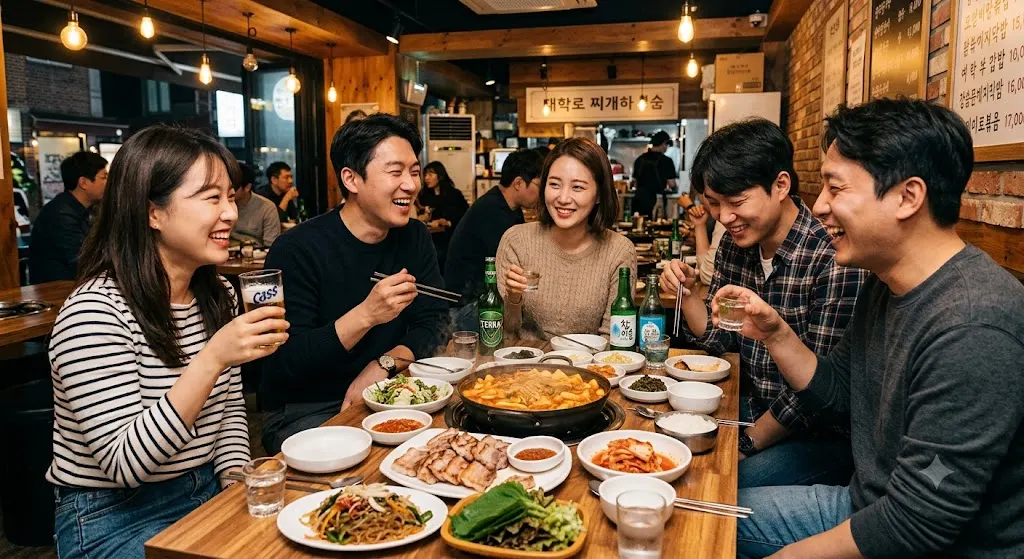
If you've heard mixed messages about whether Korean after-work drinking and company dinner culture is dying out or still very much alive, and you're trying to figure out what to actually expect at your specific workplace, the honest picture is genuinely more nuanced than either "hoesik culture is disappearing" or "nothing has changed" headlines suggest, and understanding the actual generational and structural shifts helps you calibrate realistic expectations for your own company.
Here's how Korean after-work and company dinner culture is actually evolving, beyond the surface-level narrative.
What's Genuinely Changed
- The Workplace Reform Act and stricter working hour enforcement, implemented progressively over recent years, has had a real, measurable effect on limiting excessive mandatory overtime and, by extension, some of the extended late-night hoesik culture historically tied to overtime-heavy workplace norms.
- Younger employees, particularly those in their twenties and early thirties, have driven genuine cultural pushback against mandatory heavy drinking and extended multi-round hoesik events, this generational shift reflects broader changing attitudes toward work-life balance that have gained real traction, not just in Korea but as part of a broader regional trend.
- Company policy has responded in some cases, some companies have formally instituted policies limiting hoesik frequency, capping the number of rounds, or explicitly making attendance beyond the first round optional, reflecting genuine institutional response to changing employee expectations rather than just individual employee pushback.
What Hasn't Fundamentally Changed
- Team bonding and relationship-building through shared meals remains a genuinely valued part of Korean workplace culture, even as the specific format shifts, the underlying value placed on building relationships outside strictly task-focused work interaction, as covered in how Korean business negotiation and networking culture work, hasn't disappeared even as the heavy-drinking, late-night specific format has moderated.
- More traditional industries and larger, older conglomerates generally show less change than younger, more internationally-oriented companies or startups, understanding this significant variation by company type and generation of leadership matters more than assuming a uniform national shift has occurred at every workplace.
- Some informal social pressure around participation persists even where formal mandatory policy has relaxed, a new hire still generally benefits from understanding and appropriately participating in whatever specific culture actually exists at their company, rather than assuming national-level trend reporting automatically describes their specific workplace's reality.
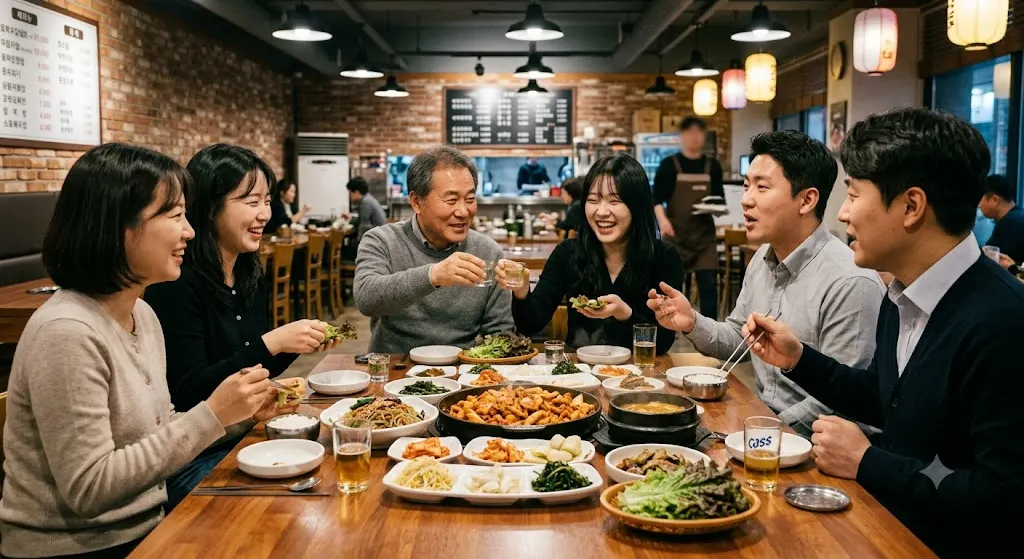
How to Actually Read Your Specific Workplace
- Observe rather than assume based on general trend reporting, your specific company's actual practiced culture may differ meaningfully from what broader "hoesik culture is changing" narratives suggest, paying attention to what your specific team and department actually do provides a more accurate picture than general assumptions.
- Ask colleagues directly about specific expectations, particularly as a new hire, a straightforward question about typical hoesik frequency and expected participation level at your specific company is a reasonable and normal question rather than something to navigate purely through guesswork.
- Notice generational patterns within your own workplace, sometimes a genuine generational divide exists even within a single company, younger managers leading teams differently than more traditional senior leadership elsewhere in the same organization, understanding your specific team's actual dynamic matters more than a company-wide generalization.
What This Means for Foreign Employees Specifically
- Foreign employees benefit from understanding both the traditional framework and the genuine current changes, rather than preparing based entirely on either outdated stereotypes of universal heavy drinking culture or an assumption that this culture has entirely disappeared everywhere.
- Company size, industry, and specific leadership generation matter more than blanket national generalizations for predicting what you'll actually experience, a foreign employee joining a traditional manufacturing conglomerate faces a genuinely different reality than one joining a Seoul-based tech startup.
- Participating thoughtfully in whatever specific culture exists at your company, neither assuming mandatory heavy participation nor assuming complete optionality without checking, remains the practical approach for navigating your own specific workplace situation accurately.
Common Mistakes and Misunderstandings
- Relying entirely on outdated stereotypes about universal, mandatory heavy-drinking hoesik culture, missing genuine changes that have occurred at many, though not all, Korean companies over recent years.
- Assuming reported national trends apply uniformly to every specific company, missing significant variation by industry, company size, and specific leadership generation that actually determines your own workplace's practiced reality.
- Not asking directly about specific expectations, guessing based on either extreme assumption rather than getting an accurate picture of your own company's actual current practice from colleagues who would know.
- Underestimating the continued value of relationship-building through shared meals, even where the specific heavy-drinking, mandatory format has moderated, dismissing all team meal or social gathering participation as outdated rather than understanding its continued, if evolved, relationship-building function.
Quick Summary
- Korean after-work and hoesik culture has genuinely evolved through stricter working hour enforcement and generational pushback against mandatory heavy drinking, though the degree of change varies significantly by company type and leadership generation.
- Larger, more traditional conglomerates generally show less change than younger, internationally-oriented companies or startups, understanding this variation matters more than assuming a single uniform national shift.
- The underlying value of relationship-building through shared meals remains genuinely important in Korean workplace culture, even as the specific heavy-drinking, extended-hours format has moderated at many companies.
- Observing your specific workplace directly and asking colleagues about actual current expectations, rather than relying on either outdated stereotypes or assumptions of complete change, gives the most accurate picture for navigating your own situation.