How Korean Business Cards Digital Exchange and Professional Profiles Work
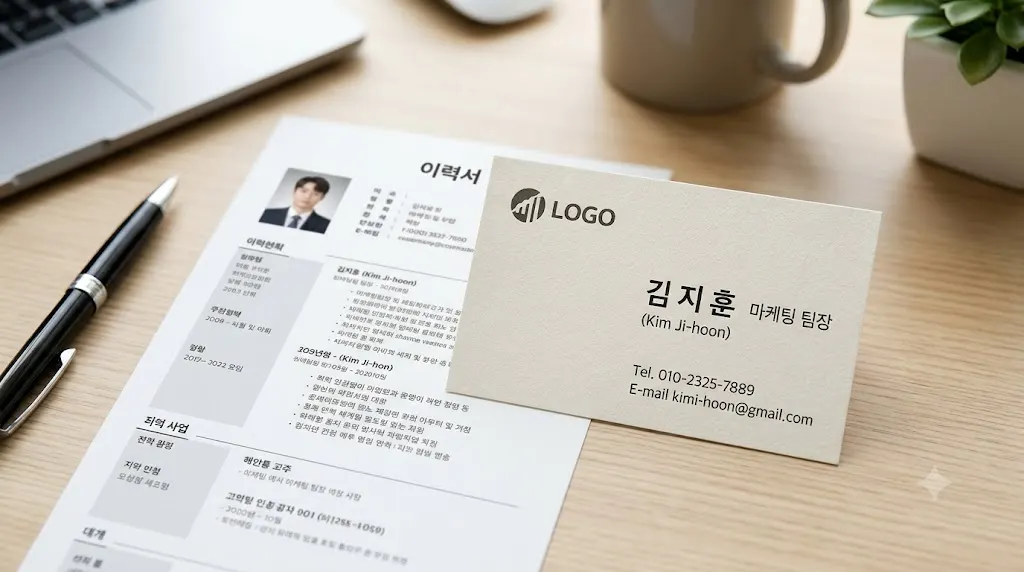
If a Korean contact has offered to send you their "digital card" instead of handing over paper, you're seeing how business card culture is shifting. Digital business cards in Korea are growing, but paper cards still matter in formal first meetings. Knowing when each works helps you make a good impression without carrying a stack of cards everywhere.
The Quick Answer: Paper Still Leads, Digital Is Rising
In traditional companies and formal meetings, a physical card exchange remains the norm, as covered in the business card guide. At startups, tech events, and international gatherings, digital exchange through QR codes, messaging apps, or professional networks is increasingly common.
Common Digital Methods
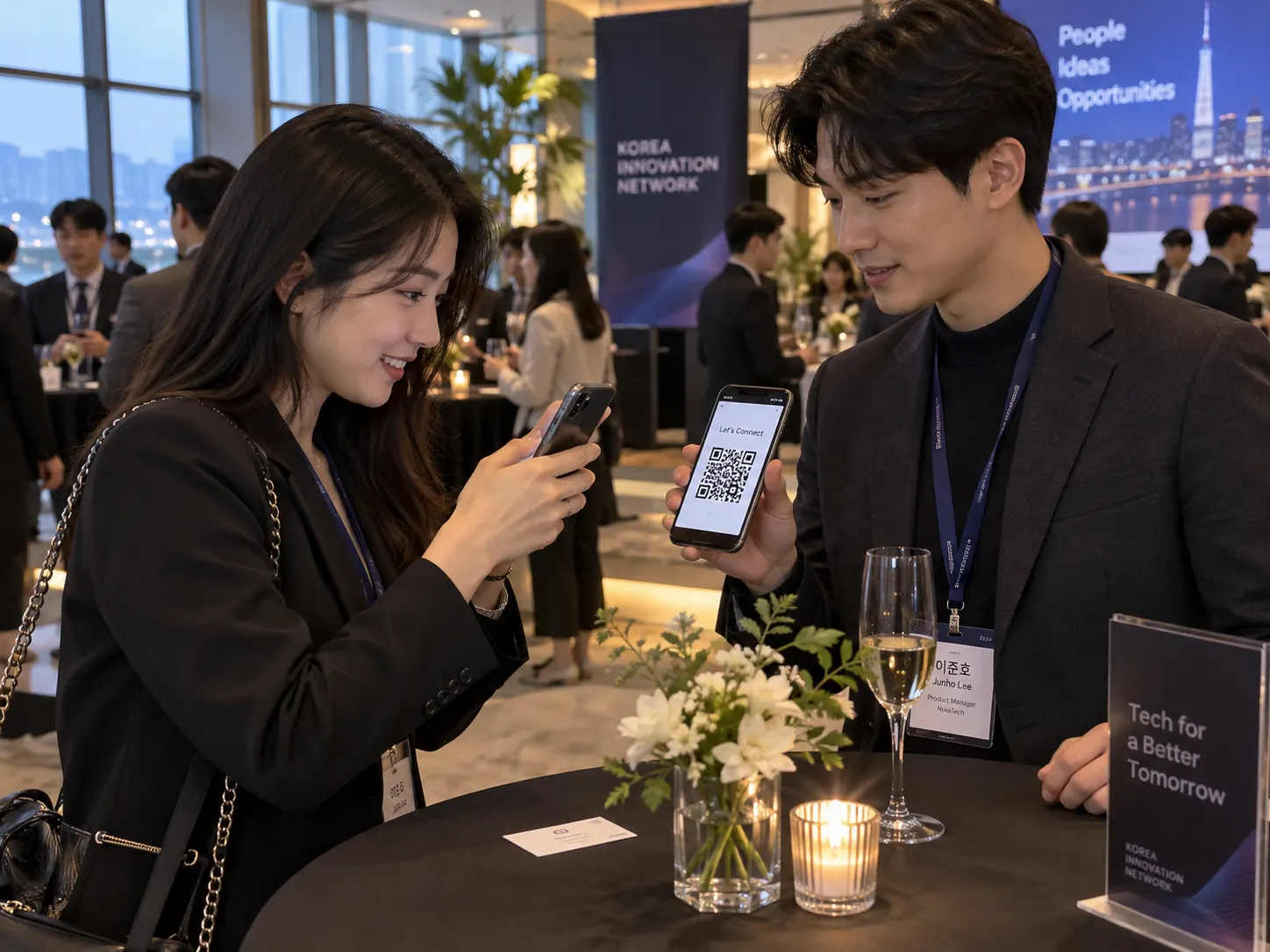
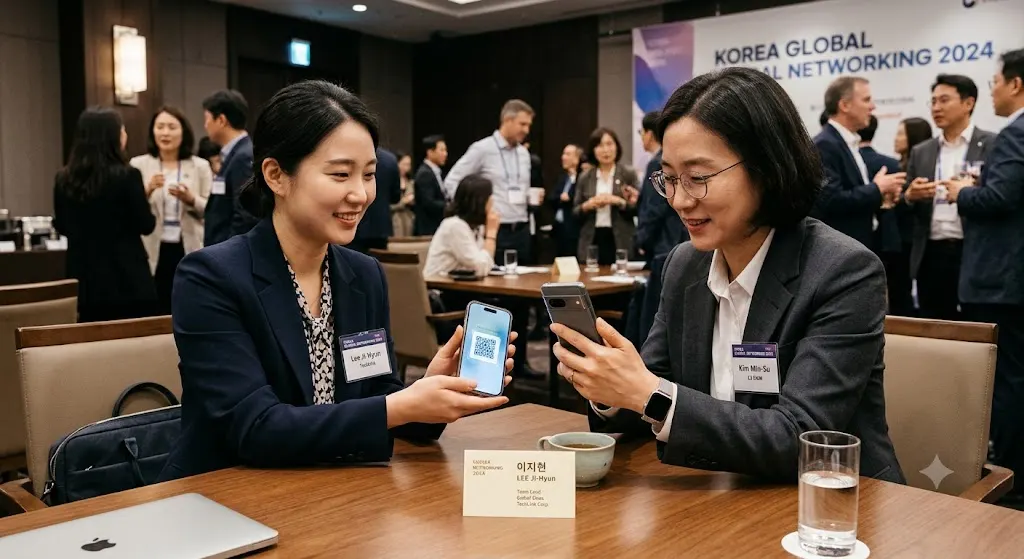
- QR code cards: a code on your phone, or printed on your paper card, that opens your contact details
- KakaoTalk contact sharing: exchanging KakaoTalk IDs or profiles is common after meetings
- Business card apps: services that scan paper cards and store them digitally
- LinkedIn and professional profiles: useful with international contacts, though less central in Korea than elsewhere
What to Do in Practice
- For a formal first meeting, bring paper cards and exchange them properly
- If the other side offers a QR code, scan it and follow up with a message
- After the meeting, send a short thank-you with your details, as covered in the business email guide
- Save the contact with the person's title, since titles matter
Keeping Your Profile Consistent
Make sure your English title, company name, and contact details match across your card, email signature, and profiles. If your Korean title translates awkwardly, as covered in the job titles guide, add a clear English description.
Privacy and Safety
Be careful about what you share publicly, since a card with your personal number or address can travel widely. Use a work number or work email when possible.
Common Mistakes
- Going digital-only to a formal meeting. Bring paper cards.
- Pocketing a paper card immediately. Look at it first.
- Not following up after scanning. The connection can fade.
- Inconsistent titles across platforms. It confuses contacts.
Quick Summary
- Paper business cards are still expected in formal Korean business settings, while digital exchange is growing at startups and international events.
- QR codes, KakaoTalk, and card apps are common digital methods, and a prompt follow-up message helps.
- Keep titles and contact details consistent across your cards and profiles.
- Share work contact information rather than personal details when possible.