How Korean Company Seals and Stamps (Dojang) Work in Business
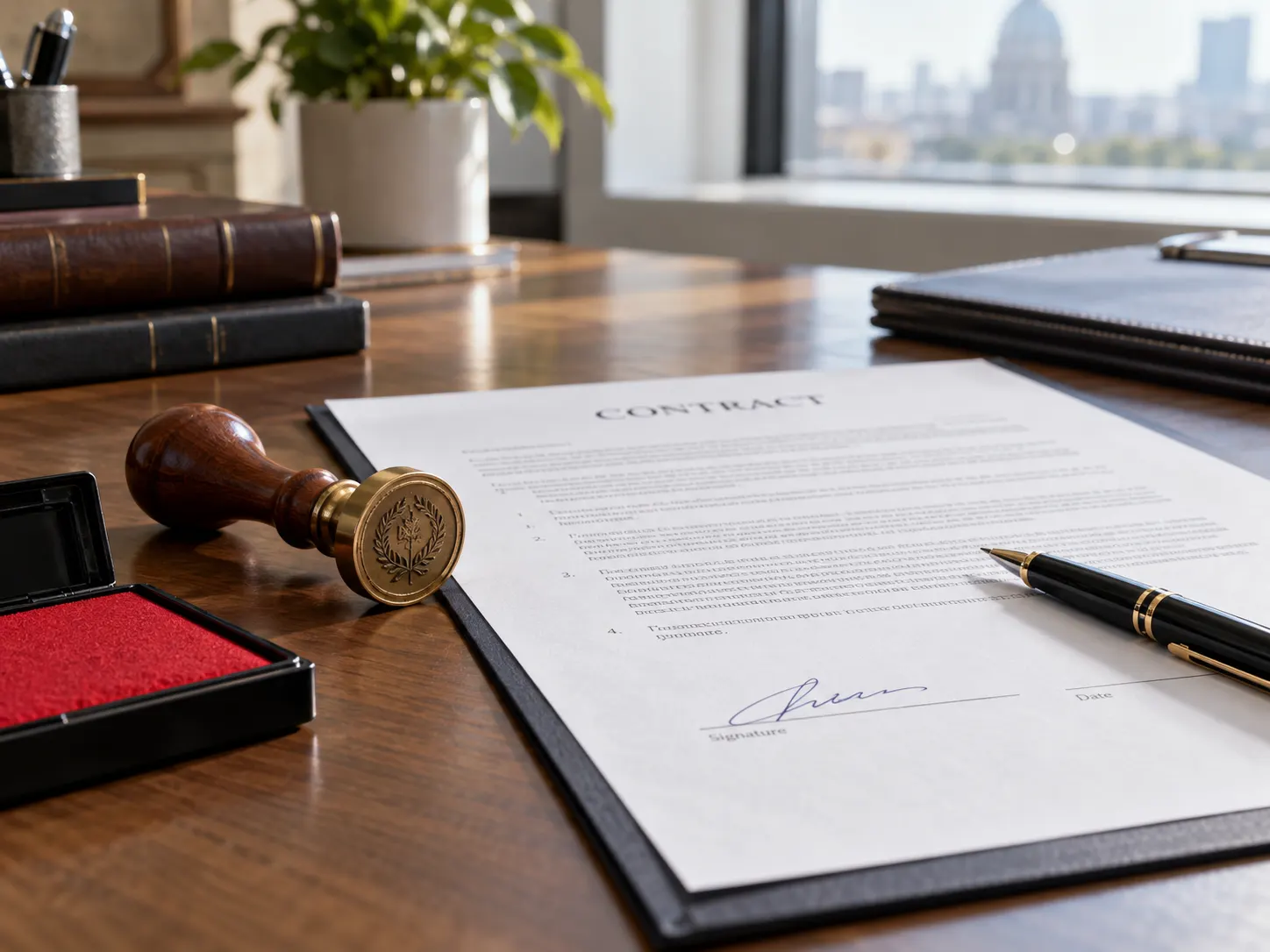
If a Korean contract or bank form has asked for your "dojang," you have met one of the most distinctive parts of Korean paperwork. A dojang (도장) is a personal or company seal used in place of, or alongside, a signature. Korean business still relies on seals for many documents, so knowing which type to use, and when a signature is accepted, saves time and confusion.
Here is how company seals work and what foreign business owners need to know.
The Quick Answer: What a Dojang Is
A dojang is a stamp engraved with a name, pressed in red ink onto documents to confirm approval. Companies and individuals commonly have more than one:
- Registered seal (인감도장): registered with a government office and used for important legal documents. It is verified against an official seal certificate (인감증명서).
- Company seal (법인도장): the corporate equivalent, tied to the representative and the company registry.
- Everyday seal (막도장): an unregistered stamp used for routine paperwork.
- Receipt or small seal: used for minor confirmations.
When Seals Are Used
Typical situations include:
- Opening corporate bank accounts
- Signing contracts and lease agreements
- Real estate and company registry filings
- Certain tax and administrative filings
The seal indicates that the signing party agrees to the terms, and a registered seal carries stronger legal weight than an everyday one.
Can Foreign Representatives Use a Signature Instead?
Often yes. Foreign nationals are generally allowed to use a signature in place of a seal certificate, and Korea has a signature certification system for this purpose, as covered in the corporate bank account guide. Accepted practice varies by institution, so confirm with the bank or office ahead of time. Some Korean counterparties still expect a seal, so having one made can make daily business easier.
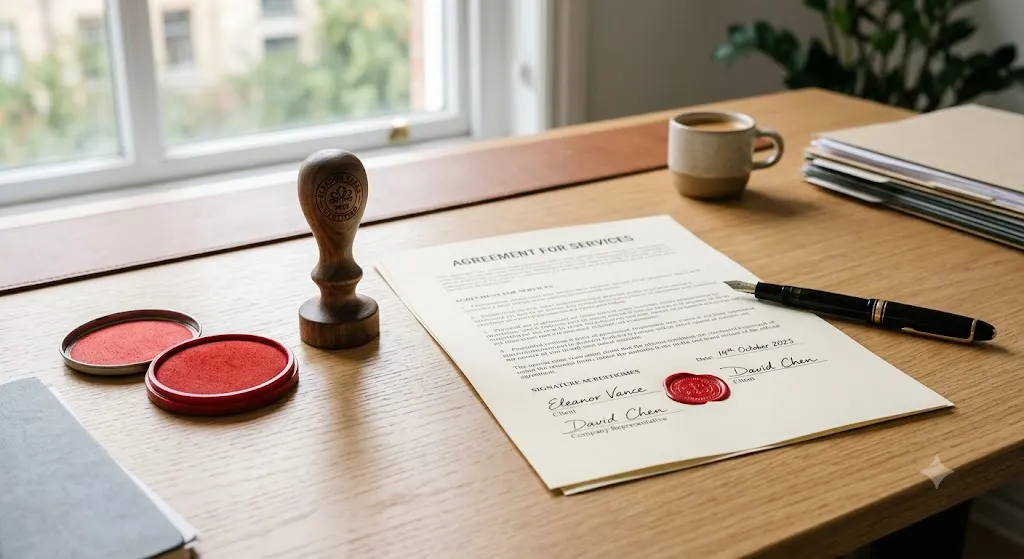
How to Get a Seal Made
Seal engraving shops are common and inexpensive for everyday stamps, often producing one the same day. For a registered or company seal, you generally:
- Have the seal made, with the name engraved as it appears in registration
- Register it at the relevant office, such as the local district office or the company registry
- Request seal certificates when a document requires proof
Choose a seal you are comfortable keeping safe, since a registered seal represents your legal consent.
Safekeeping and Risk
Treat a registered seal like a signed blank check:
- Store it securely and do not lend it out
- Keep seal certificates only as long as needed, since they are typically valid for a limited period
- If a seal is lost, report it and re-register according to the office's rules
Common Mistakes
- Assuming a signature is always enough. Some counterparties and filings still require a seal.
- Mixing up seal types. An everyday seal will not substitute for a registered one on documents that require it.
- Handing the seal to an employee or agent casually. Misuse is a real risk.
- Not checking the requirement in advance. One missing seal can delay a registration.
Quick Summary
- A dojang is a Korean seal used to approve documents, with registered, company, and everyday types carrying different legal weight.
- Foreign representatives can often use a signature or signature certificate instead, but acceptance depends on the institution.
- Seals are inexpensive to make, while registered seals must be registered and are supported by a seal certificate.
- Keep registered seals secure and confirm with each bank or office whether a seal or a signature is required.