How Korean Corporate Dress Codes for Events and Ceremonies Work
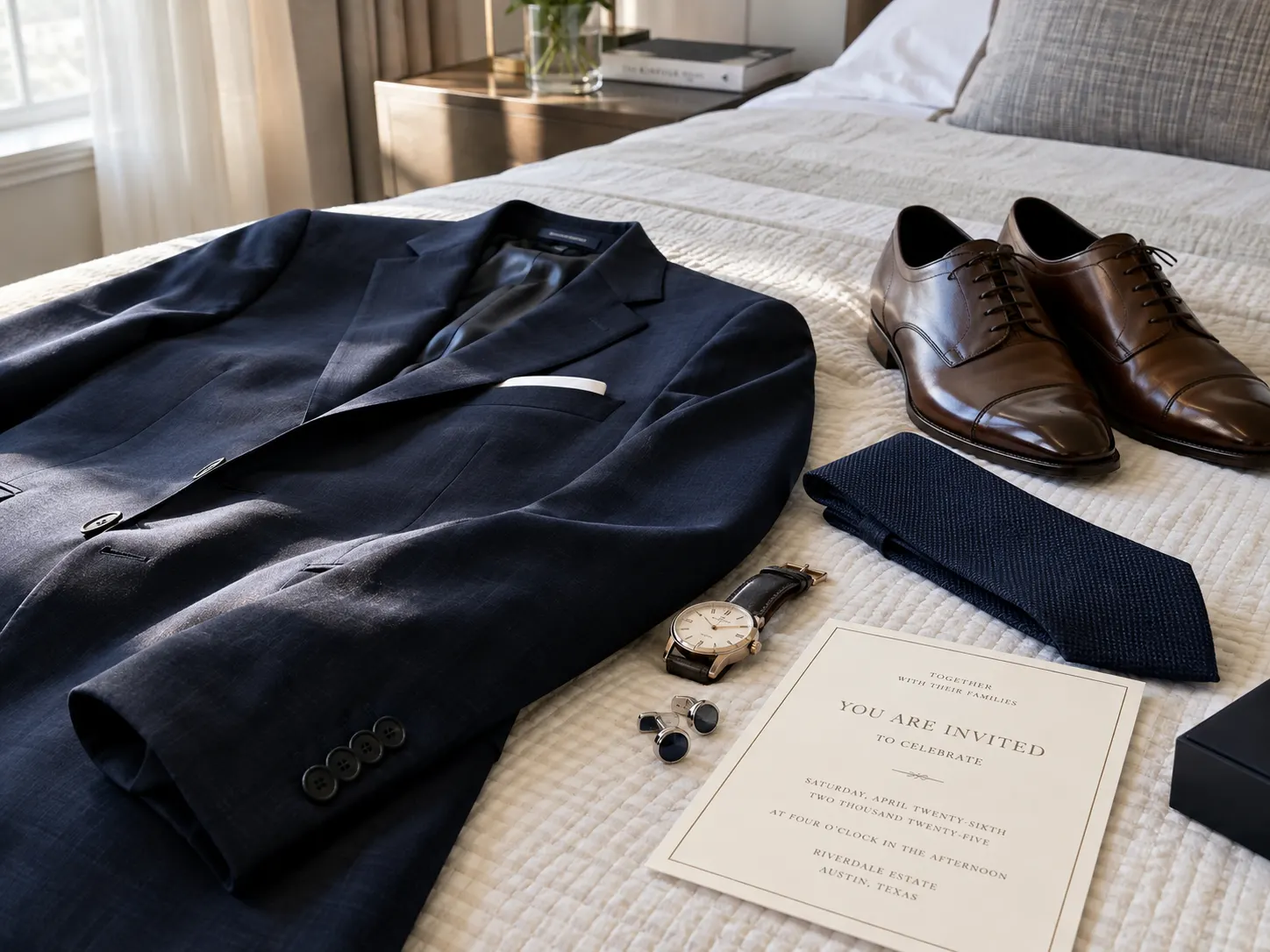
If you've been invited to a company anniversary, a client launch event, or a formal ceremony in Korea and aren't sure what "business formal" really means, you're not alone. Dress expectations for Korean corporate events are usually more formal and more consistent than for everyday office days. Arriving a little overdressed is safer than being underdressed.
Here is how to read the dress code and prepare.
The Quick Answer: Default to Formal
For most company events, suits or equivalent formal wear are the safest choice. Dark, neutral colors such as navy, charcoal, and black are standard. If the invitation doesn't state a dress code, ask HR or a colleague.
Common Event Types
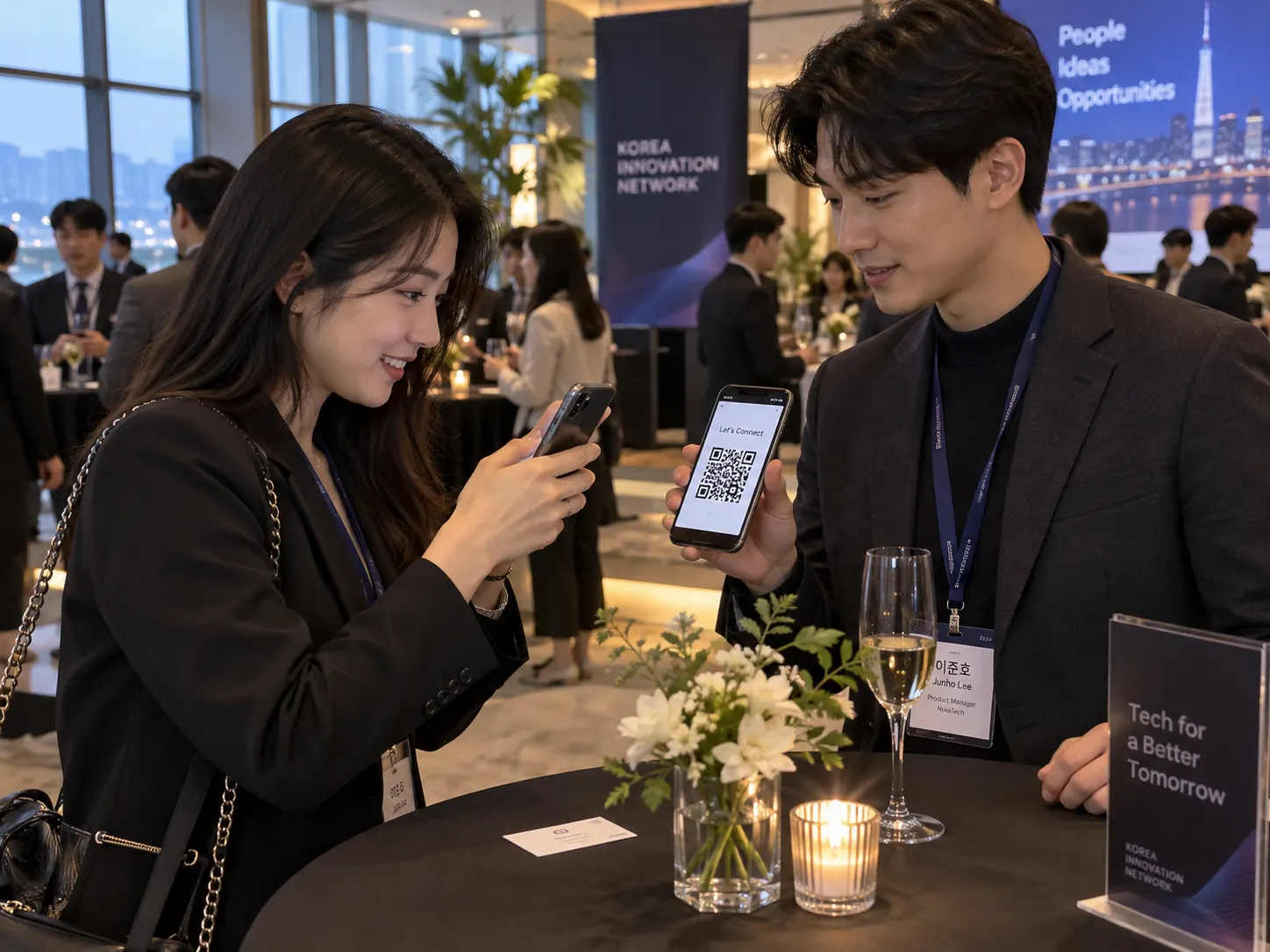
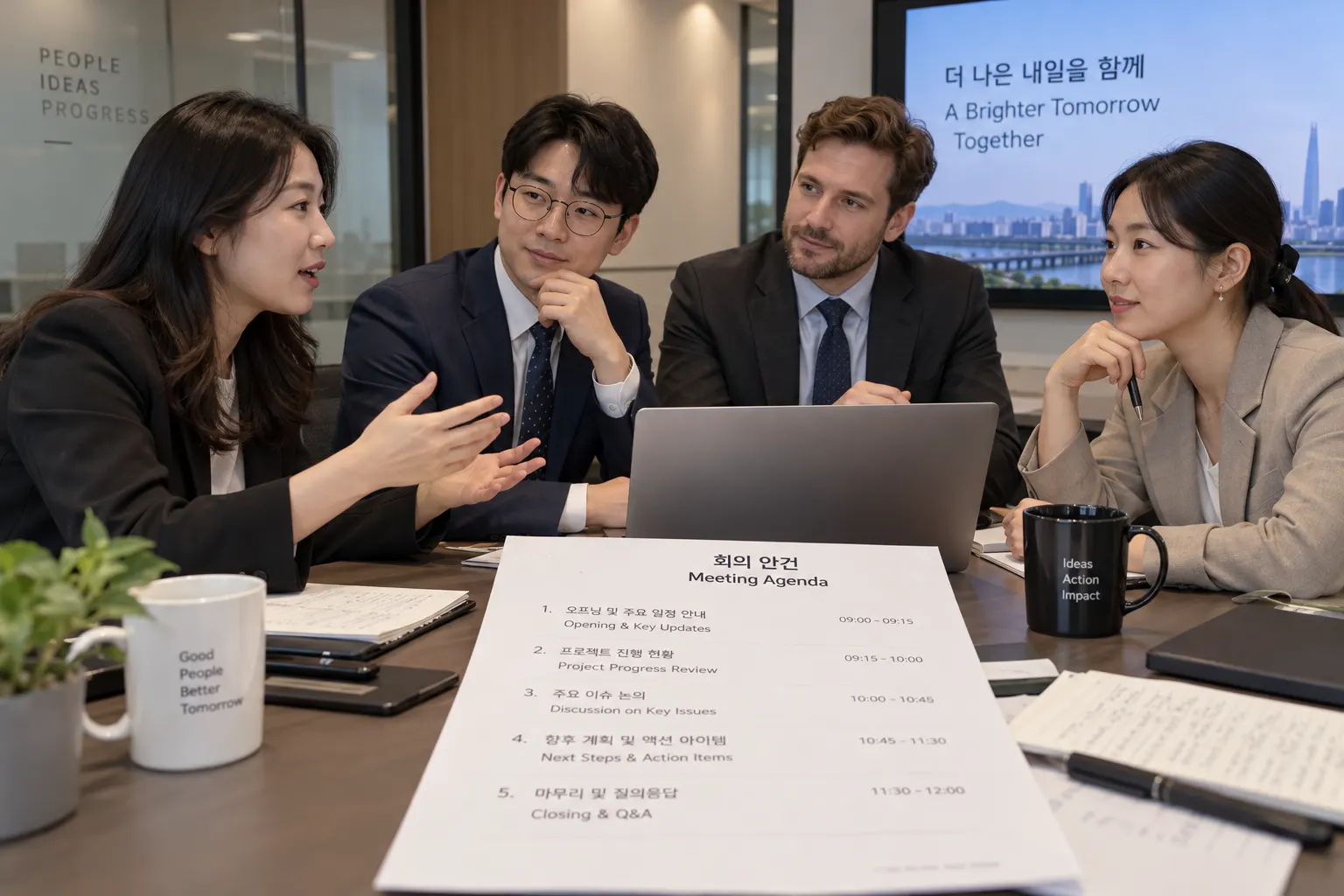
- Company anniversary or awards ceremonies: formal business attire, often a dark suit and tie, or a formal dress, skirt suit, or pantsuit.
- Client or investor events: polished business formal, with attention to grooming and neat shoes.
- Year-end or holiday parties: often a step more relaxed but still presentable, so check the invitation.
- Workshops and team-building days: business casual or activewear if the event is physical, which will usually be stated in advance.
- Funerals: dark, somber clothing, as covered in the funeral etiquette guide.
Practical Tips
- Ask about the dress code if the invitation is unclear. It's a normal question.
- Check what senior colleagues wear to similar events and match their level.
- Keep accessories simple. Avoid loud patterns and very casual items like sneakers or hoodies for formal events.
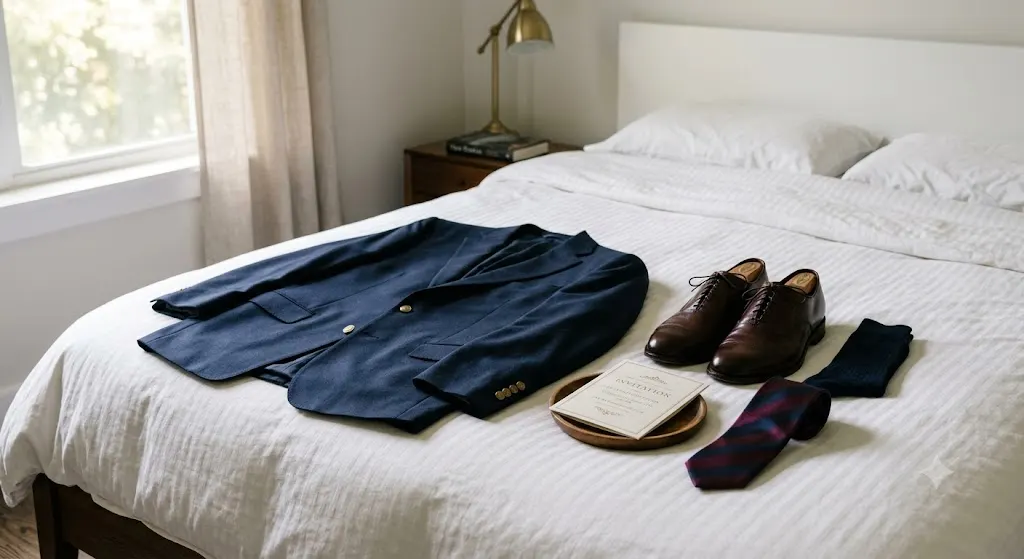
- Plan your shoes. Clean, polished shoes matter, and some venues require removing shoes, so wear tidy socks.
- Allow for the season. Korean winters are cold and summers humid, so bring a layer or a way to stay presentable in heat.
Sizing and Shopping
Formal wear in Korea is easy to buy or rent, but sizing can be tight for some body types, so try items on or confirm return policies. Rental shops cover suits and formal dresses for one-off events, as covered in the fashion rental guide, and tailoring services are affordable if you need adjustments.
Grooming
Neat hair, clean nails, and understated makeup or grooming are part of the overall impression, and they matter as much as the clothing itself in formal settings.
Common Mistakes
- Dressing to the written policy and not the practiced norm. "Business casual" often means a polished look.
- Wearing casual shoes or worn-out items. Details get noticed.
- Choosing bright or flashy outfits for ceremonial events. Muted tones are safer.
- Not checking the event type. A workshop and a ceremony call for very different clothing.
Quick Summary
- For Korean corporate events and ceremonies, formal business attire in dark, neutral colors is the safe default.
- Ask HR or colleagues about the dress code when the invitation is unclear, and match what senior colleagues wear.
- Details such as polished shoes, simple accessories, and neat grooming matter in formal settings.
- Rental shops and tailors make it easy to prepare for one-off formal events without a large purchase.