How Coworking Spaces Work for Remote Workers in Korea
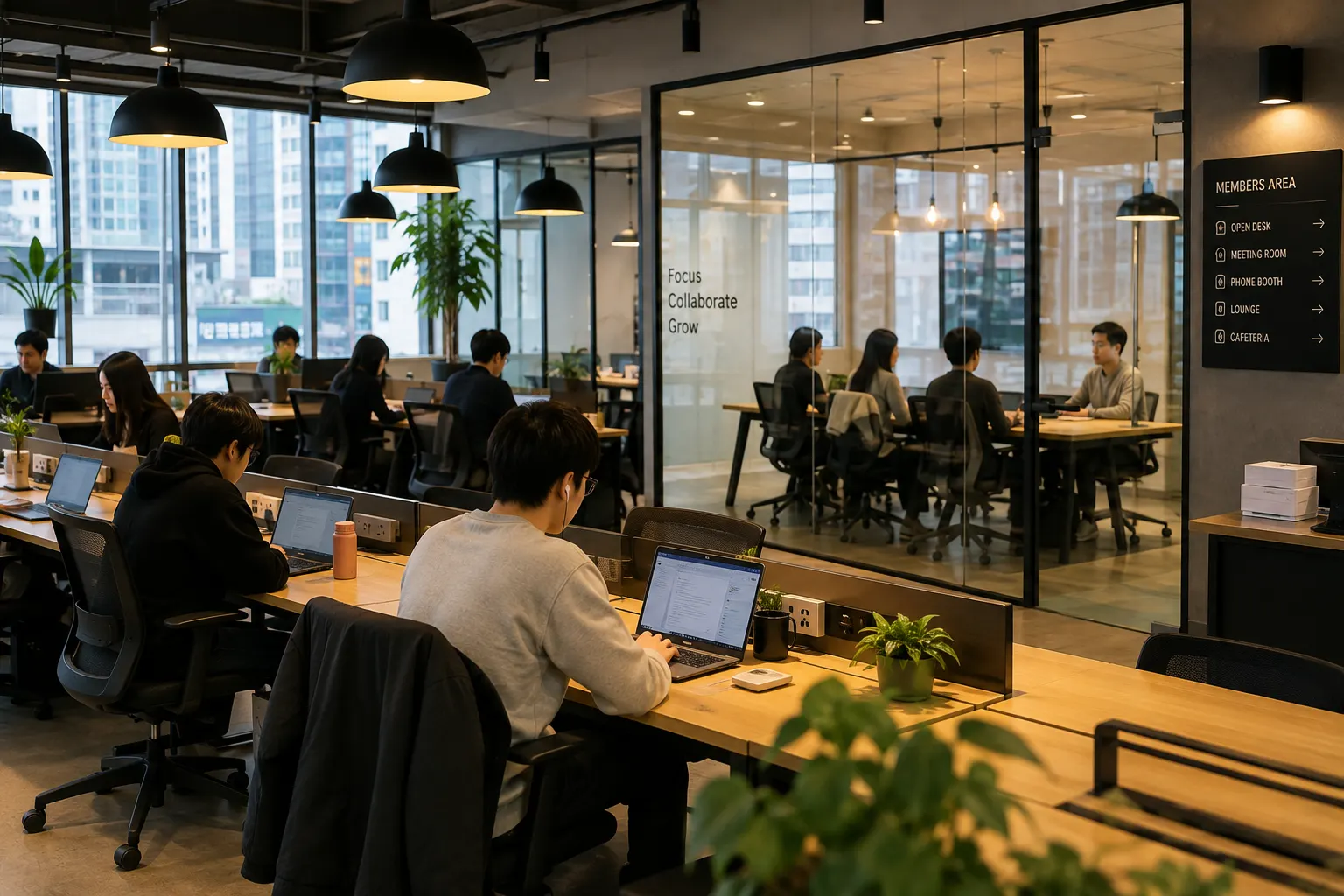
If you're working remotely from Korea, whether as a digital nomad, freelancer, or someone working Korea hours for a foreign company, finding a reliable place to work matters more than it might seem. Korea's coworking scene has grown substantially, but pricing, membership structures, and even internet reliability vary more than the polished marketing photos suggest.
Here's how coworking spaces in Korea actually work, what they cost, and what to check before committing to a membership.
Why Coworking Makes Sense in Korea Specifically
Korean apartments and officetels, especially smaller studio units common among foreign renters, often aren't designed with a dedicated home office space in mind. Combined with genuinely excellent, fast internet infrastructure nationwide, this makes coworking spaces a practical middle ground for remote workers who want reliable wifi, a change of scenery, and sometimes community, without needing a full private office lease.
Cafes are the other obvious alternative, and many remote workers do use them, but most Korean cafes have informal or explicit time limits during busy hours, and outlet access isn't always guaranteed, which is part of why dedicated coworking spaces have found a real audience among long-term foreign residents.
Types of Coworking Spaces Available
- International chains (WeWork and similar) operate in major business districts like Gangnam, Yeouido, and parts of Jongno, generally offering polished facilities, English-friendly signage, and membership tiers ranging from hot-desk to private office.
- Korean-founded coworking chains (FastFive, Spacemob-style operators) are common across Seoul and increasingly other major cities, often slightly cheaper than international chains with similar amenities.
- Independent, smaller coworking spaces exist in neighborhoods popular with freelancers and creatives (Hongdae, Yeonnam-dong, Seongsu), often with more character and lower prices, but less consistency in hours or amenities.
- Government or university-affiliated startup hubs sometimes offer coworking access, occasionally free or heavily subsidized, but usually tied to specific eligibility (registered startups, certain visa categories, university affiliation).
What It Actually Costs
- Day passes at most coworking spaces run roughly 20,000–35,000 KRW, useful for occasional use or testing a space before committing to a membership.
- Monthly hot-desk memberships (no assigned seat, shared space) typically range from about 200,000–350,000 KRW depending on location and brand, Gangnam and other prime business districts sit at the higher end.
- Dedicated desk memberships (a fixed seat) usually run higher, often 300,000–500,000 KRW per month.
- Private office space for small teams scales up significantly from there and is generally priced per seat or per square meter, worth negotiating directly rather than assuming listed rates are fixed for longer commitments.
Many spaces offer discounts for 3, 6, or 12-month commitments, sometimes substantial, so if you know you'll be in Korea for a while, asking about longer-term rates before signing a month-to-month plan can meaningfully lower the cost.
What to Check Before Committing
- Actual internet speed and reliability, not just advertised speed, ask current members or check reviews specifically mentioning video call stability, since this matters more for remote workers than general browsing speed.
- Meeting room access and limits, many memberships include a limited number of meeting room hours per month, with additional hours billed separately.
- Printing, mail handling, and business registration address services, useful if you're also using the space to register a freelance business, though not all coworking spaces offer this.
- Cancellation and refund policy, some Korean coworking contracts have stricter cancellation terms than foreign remote workers might expect, worth reading before signing, especially for longer commitments.
Common Misunderstandings
A frequent assumption is that all coworking spaces offer flexible, no-commitment access similar to how some Western coworking brands operate. In Korea, many memberships, especially at Korean-founded chains, favor monthly or longer commitments with less flexibility for short-term or day-by-day use, day passes exist but aren't always the most cost-effective option if you plan to work there regularly.
Another common mix-up is assuming English-language support is standard everywhere. International chains generally have it, but many Korean-founded spaces, especially smaller independent ones, operate primarily in Korean, which is fine for day-to-day desk use but can complicate things like reading contract terms or requesting specific accommodations.
Is It Worth It Compared to Working From Home?
For remote workers on video calls regularly, or anyone who finds a small officetel isolating for full-time work, coworking spaces are generally considered worth the cost by people who use them consistently. For occasional use, a day-pass strategy or simply working from well-equipped cafes tends to be more cost-effective than a full membership that goes underused.
Quick Summary
- Korea's coworking scene includes international chains, Korean-founded chains, and independent spaces, with pricing generally lowest for shared hot-desk access and highest for private offices.
- Monthly hot-desk memberships typically run 200,000–350,000 KRW, with longer-term commitments often unlocking meaningful discounts.
- Checking actual internet reliability, meeting room limits, and cancellation terms before signing matters more than the marketing photos suggest.
- International chains offer more English-language support, while Korean-founded spaces are often cheaper but may require more Korean-language navigation for contracts and requests.