How Gig Economy Platforms Work for Foreigners in Korea
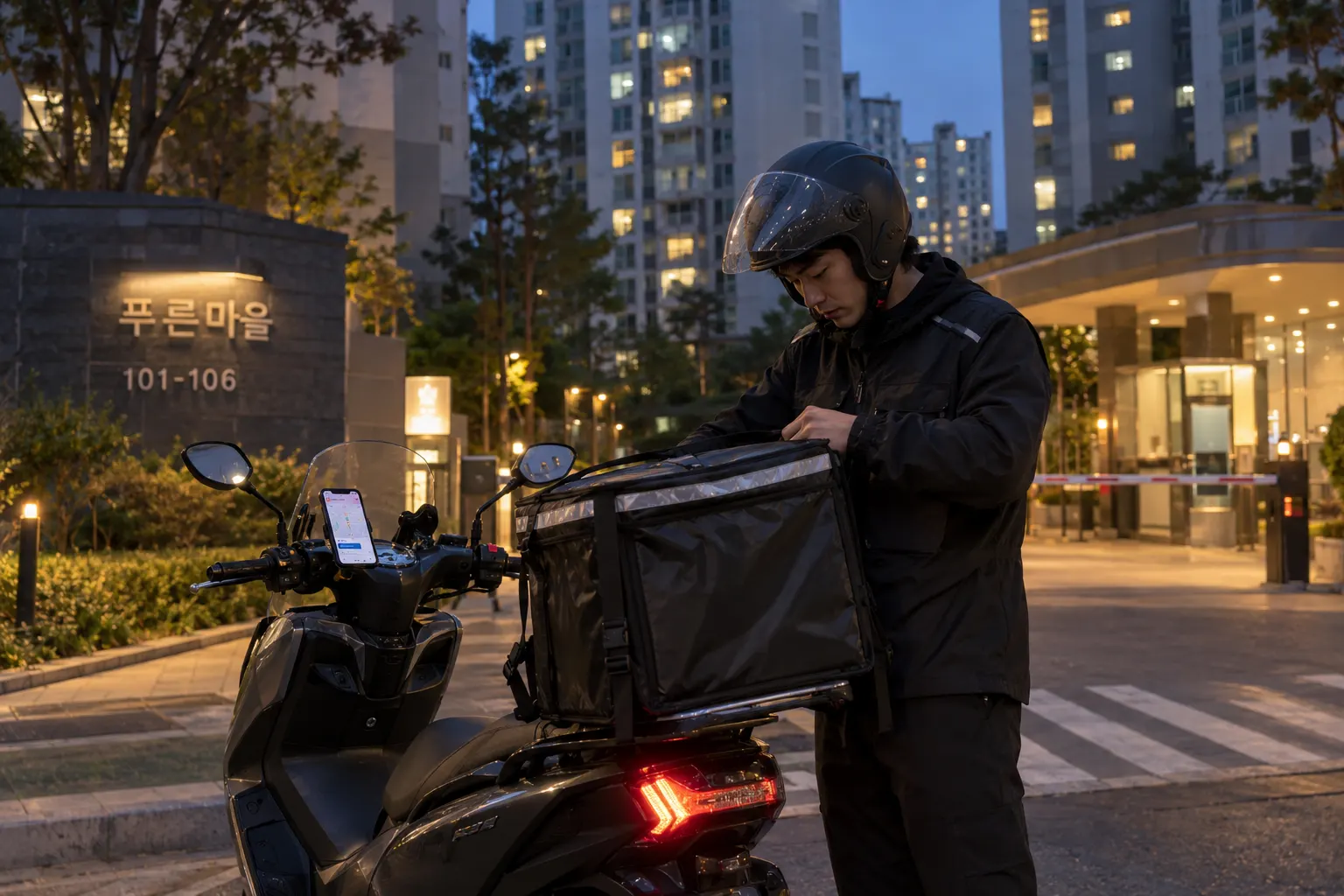
If you've considered picking up delivery work, ride-hailing, or freelance task-based gigs in Korea to supplement your income, the legal and practical landscape is more restrictive than in some countries, tightly tied to visa status rather than simply being a matter of signing up for an app. Understanding what's actually permitted before assuming any gig platform is open to you avoids a visa violation that can carry more serious consequences than the income itself would justify.
Here's how Korea's gig economy platforms work, and where visa restrictions actually apply.
Visa Status Determines Eligibility, Not the Platform Itself
Korean gig economy platforms, food delivery, ride-hailing-adjacent services, task-based freelance apps, generally don't independently verify whether your specific visa permits this kind of work, the legal responsibility for compliance sits with you as the worker.
- Standard E-series work visas are generally tied to your specific sponsoring employer and role, engaging in gig work outside this scope, even seemingly minor supplemental income, generally isn't permitted without separate authorization.
- D-2 student visas allow limited part-time work under a part-time work permit, but this permit specifies particular categories and hour limits, casual gig platform work outside these specific permitted categories generally isn't compliant even if the platform itself doesn't ask about visa status.
- F-series visas (F-2, F-5, F-6, and some F-4 holders) generally have significantly more flexibility, since work rights aren't tied to a single employer or role, making gig platform participation considerably more straightforward for this visa category.
Common Gig Platforms in Korea
- Coupang Eats, Baemin Riders, and Yogiyo delivery offer delivery rider positions, generally requiring specific vehicle registration (motorcycle, bicycle, or car depending on the delivery type) and, importantly, generally requiring documentation confirming your right to engage in this kind of independent contractor work in Korea.
- Task-based freelance platforms, covering categories like translation, tutoring, or specific skilled gig work, similarly require the underlying visa eligibility for independent income generation, separate from whether the specific platform itself checks for this.
- Ride-hailing-adjacent services, more limited in Korea compared to some countries due to specific taxi industry regulations, generally have more restrictive requirements around both visa status and specific licensing beyond a standard driver's license.
Why This Differs From Some Other Countries
A common misunderstanding among foreign residents, particularly those from countries with more flexible gig economy visa treatment, is assuming that gig work operates in a legal gray area that's rarely enforced, similar to informal norms in some other countries. Korean immigration enforcement around unauthorized work has become increasingly attentive to gig-economy and platform-based work specifically, given its growth, assuming lax enforcement based on how gig work is treated elsewhere is a genuinely risky assumption.
- Unauthorized work findings can affect current and future visa status, including potential complications for visa renewal, extension, or future visa applications, not just an isolated fine or warning.
- Employer-sponsored visa holders face particular risk, since gig work discovered as unauthorized activity could complicate not just your personal visa status but potentially create scrutiny for your actual sponsoring employer as well.
What's Actually Permitted for Different Visa Categories
- D-2 student visa holders seeking supplemental income should specifically pursue a proper part-time work permit through their university's international office and immigration, rather than assuming gig platform work generally falls under acceptable part-time activity without this specific authorization.
- E-series work visa holders interested in supplemental income should discuss the possibility with their sponsoring employer and consult with immigration about whether a specific authorization pathway exists for their situation, rather than assuming casual gig work is a low-risk side activity.
- F-series visa holders generally have the most straightforward path to gig platform participation, though confirming your specific F-series subcategory's actual work rights, since these can vary, remains worth doing before assuming unrestricted eligibility.
Common Mistakes Foreign Residents Make
- Assuming a platform's lack of visa verification means the activity is legally permitted, the platform not checking doesn't change your own legal compliance obligation under your specific visa terms.
- Underestimating enforcement risk, treating gig work as a low-visibility side activity unlikely to be discovered, rather than understanding that unauthorized work findings can have disproportionate consequences relative to the actual income involved.
- Not exploring proper authorization pathways first, particularly for D-2 student visa holders who do have a legitimate part-time work permit option, but sometimes skip this step assuming it's unnecessary or too bureaucratic to bother with.
- Confusing F-series flexibility with universal foreign resident eligibility, assuming because one visa category has broad gig work flexibility, all foreign residents share this same eligibility regardless of their own specific visa status.
Quick Summary
- Korean gig economy platform eligibility depends entirely on your specific visa status, not on whether the platform itself verifies or asks about work authorization.
- E-series work visas and D-2 student visas generally have significant restrictions on gig platform work outside specific authorized categories, F-series visa holders generally have considerably more flexibility.
- Korean immigration enforcement has become increasingly attentive to unauthorized gig and platform-based work specifically, assuming lax enforcement based on norms in other countries is a genuinely risky assumption.
- D-2 visa holders should pursue a proper part-time work permit for supplemental income rather than assuming casual gig platform work falls under general acceptable part-time activity without this specific authorization.