How Korean Rent-to-Own and Housing Subsidy Programs Work for Foreigners
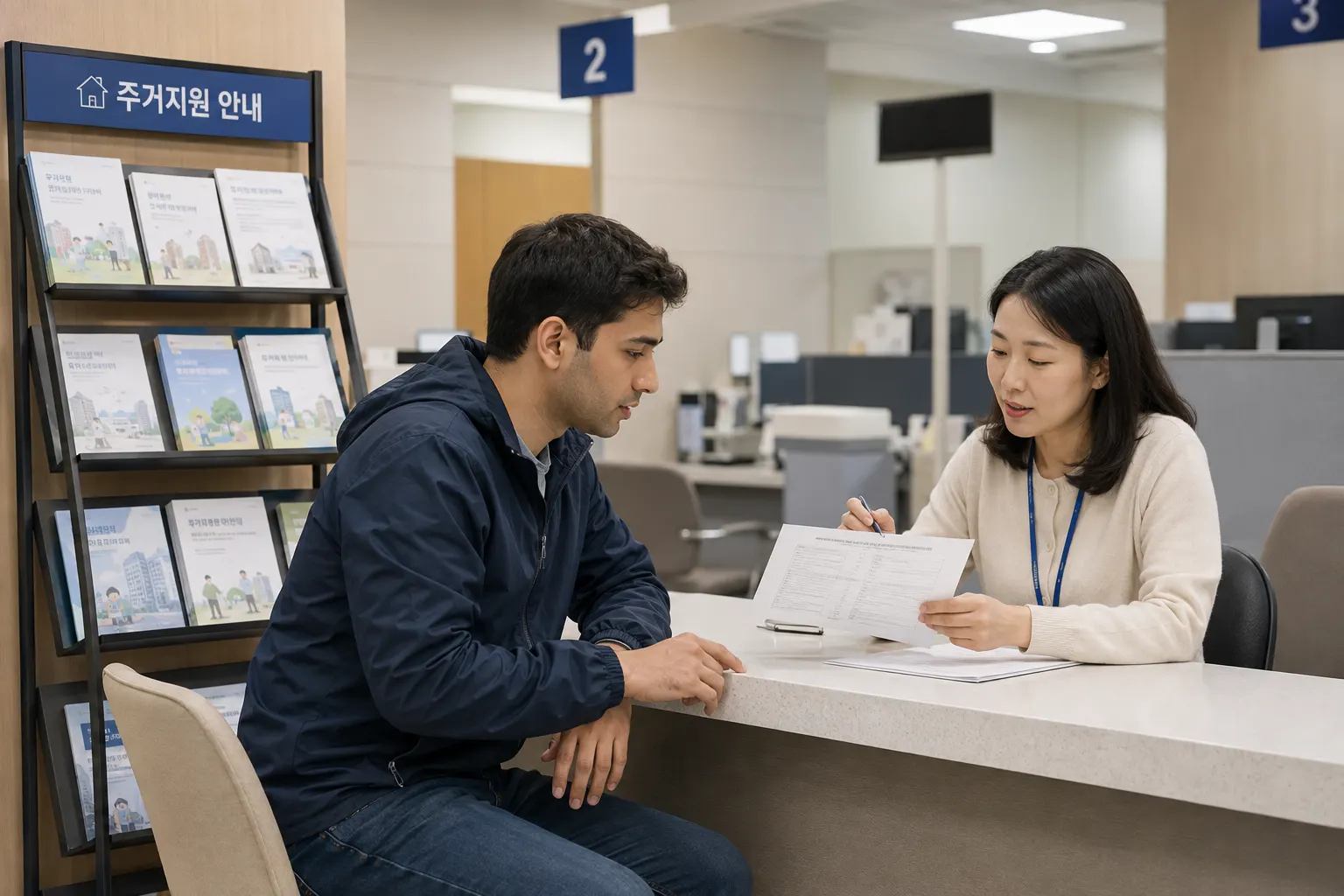
If you've heard about Korea's various government housing support programs, subsidized rent, deposit loan guarantees, public housing options, and wondered whether any of them are actually accessible to foreign residents, the answer is more nuanced than a simple yes or no. Some programs are genuinely open to eligible foreign residents, others are restricted to Korean citizens or specific visa categories, and understanding which is which before assuming eligibility saves time on applications that were never going to qualify.
Here's how Korea's housing subsidy landscape actually works, and where foreign residents can realistically access support.
Public Housing (공공임대주택): Limited but Not Entirely Closed
Korea operates various public housing programs offering below-market rent, primarily targeted at Korean citizens meeting specific income and household criteria, but eligibility for foreign residents exists in narrower, specific circumstances.
- Most standard public housing programs require Korean citizenship or specific long-term residency status, generally excluding foreign residents on standard work or student visas, F-series visa holders with permanent residency or marriage-based status sometimes have expanded eligibility compared to E-series or D-series visa holders.
- Some multicultural family support housing programs specifically target foreign spouses of Korean citizens and their families, a distinct eligibility category from general public housing programs.
- Checking your specific visa category's eligibility directly with your local district housing office, rather than assuming either blanket eligibility or blanket exclusion, gives the most accurate picture, since specific program rules and foreign eligibility criteria have shifted over time.
Jeonse and Deposit Loan Guarantee Programs
- Government-backed loan guarantee programs for jeonse or wolse deposits exist to help renters secure large deposit loans through partner banks, some of these programs have expanded eligibility to include foreign residents meeting specific criteria in recent years, though this varies by program and specific bank partnership.
- Housing Finance Corporation programs and similar guarantee schemes sometimes specifically list foreign resident eligibility criteria, generally requiring a certain visa status and documented income, worth checking current program details directly since these have been updated periodically.
- Working through a bank that specifically has experience with foreign applicants for these guarantee-backed loan programs tends to produce a smoother application experience than approaching a bank unfamiliar with foreign eligibility criteria for these specific government-backed products.
Regional and Local Government Housing Support
- Some local district or city governments offer their own housing support programs, separate from national-level programs, specifically aimed at attracting or supporting long-term foreign residents, students, or workers in that specific region, particularly relevant for smaller cities actively trying to attract foreign talent or students.
- University-affiliated housing support, for international students specifically, sometimes includes partnership arrangements with nearby housing providers offering discounted rates, distinct from government subsidy programs but worth investigating through your specific university's international student office.
- Checking with your specific district office directly rather than assuming a national program's rules apply uniformly across all of Korea, since regional variation in both program availability and specific eligibility criteria is genuinely significant.
What Foreign Residents Commonly Get Wrong
A frequent assumption is that all Korean housing subsidy and support programs are entirely closed to foreign residents, leading some to not investigate options they might have actually qualified for. In practice, eligibility varies considerably by specific program, visa category, and even region, blanket assumptions in either direction, complete access or complete exclusion, tend to be inaccurate, checking specific program criteria directly is the only reliable approach.
The opposite misunderstanding also occurs, assuming eligibility criteria that applied a few years ago still apply currently, Korean housing policy, including foreign resident eligibility for specific programs, has been adjusted periodically in response to broader housing market conditions, verifying current rules rather than relying on outdated information or secondhand accounts from other foreign residents matters given how these programs have shifted.
How to Actually Investigate What You Qualify For
- Start with your local district office (구청/시청), which generally has the most accurate, current information on both national and any region-specific housing support programs applicable to your specific area and visa status.
- Check the Housing Finance Corporation or equivalent national housing support agency's current published eligibility criteria directly, rather than relying on general summaries that may not reflect the most recent policy updates.
- If pursuing a deposit loan guarantee program, approach a bank with specific experience handling foreign applicant cases for these programs, rather than a bank without established familiarity with the relevant foreign eligibility documentation requirements.
- For students specifically, check with your university's international student office first, since university-specific housing partnerships sometimes offer more accessible and better-understood options than navigating general government programs independently.
Quick Summary
- Most standard Korean public housing programs require citizenship or specific long-term residency status, though F-series visa holders and specific multicultural family categories sometimes have expanded eligibility.
- Government-backed jeonse or deposit loan guarantee programs have increasingly included foreign resident eligibility criteria in recent years, though specifics vary by program and bank partnership.
- Regional and university-specific housing support programs sometimes offer more accessible options than national programs, worth checking with your specific district office or university international student office directly.
- Verifying current eligibility criteria directly, rather than assuming either blanket access or exclusion based on outdated information, is the only reliable way to understand what you actually qualify for.