Korean Office Dinners (Hoesik): What Foreign Employees Should Know
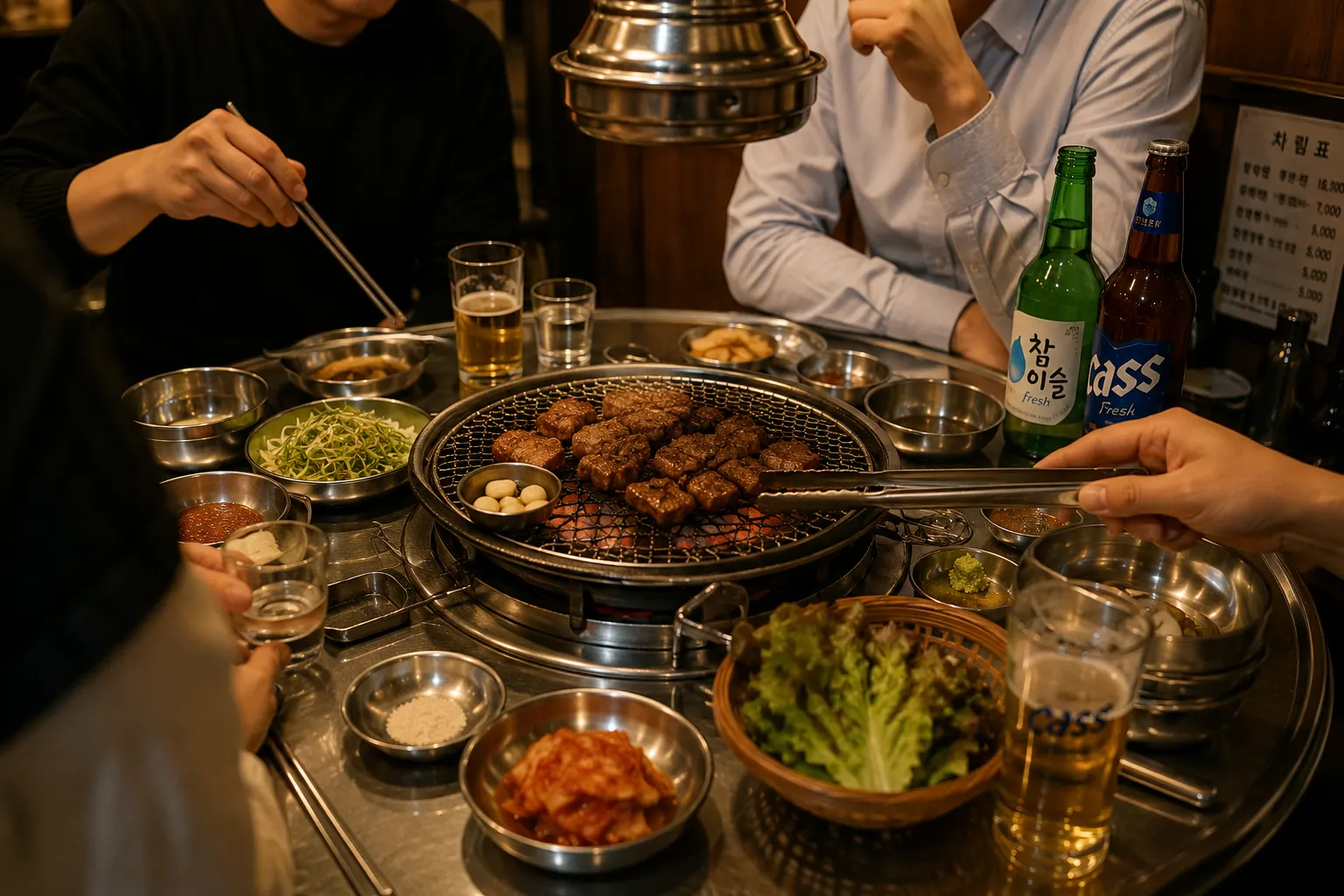
If you've just started working at a Korean company and been invited to your first "hoesik," you might not know quite what to expect, or whether it's actually optional. Office dinners are one of the most talked-about, and most misunderstood, parts of Korean work culture among foreign employees, somewhere between team bonding and an unwritten obligation.
Here's what hoesik actually involves, how the norms are shifting, and what foreign employees often get wrong about it.
What Hoesik Actually Is
Hoesik (회식) literally translates to "eating together," and refers to organized after-work gatherings, usually dinner, sometimes followed by additional rounds at a second or third venue. Traditionally, it's been used for team bonding, celebrating milestones, welcoming new hires, or simply as a regular occurrence tied to a team or department, not necessarily linked to any specific event.
Unlike a casual dinner invitation among coworkers in some other countries, hoesik has historically carried an expectation of attendance, particularly for newer or more junior employees, since not attending could be read as a lack of team commitment. This expectation has been loosening in recent years, but it still varies significantly by company, industry, and generation of management.
How Formal Is the Structure?
Hoesik often follows a loose but recognizable pattern:
- First round (1차): typically a proper sit-down dinner, often Korean BBQ or another shared-dish style meal, with drinking frequently part of the setting though not universally required.
- Second round (2차): sometimes a bar or noraebang (karaoke room), more optional than the first round but still common, especially for teams with a strong drinking culture.
- Third round (3차) and beyond: increasingly rare, and generally seen as optional even in companies with a heavier hoesik culture, mostly attended by employees who want to continue socializing.
Seating arrangements at the first round sometimes follow informal hierarchy, with more senior staff seated in certain positions, though this is much less rigid than it once was, especially at younger or foreign-facing companies.
What Foreign Employees Commonly Misunderstand
A frequent assumption is that hoesik is purely social and entirely optional, similar to an informal team happy hour elsewhere. In many traditional Korean companies, particularly larger conglomerates or more hierarchical industries, hoesik still functions partly as an extension of work relationships, showing up matters for how you're perceived on the team, even if no one directly states this as a rule.
The opposite misunderstanding also happens: some foreign employees assume hoesik is mandatory and heavily alcohol-centered everywhere in Korea, based on outdated portrayals. In practice, many companies, especially startups, tech firms, and younger workplaces, have significantly scaled back hoesik frequency and alcohol expectations over the past several years, partly due to generational shifts among younger Korean employees who've pushed back on the older drinking culture themselves.
Drinking Culture and How to Navigate It
If you don't drink, or prefer not to at a specific event, this is generally more acceptable now than it was a decade ago, but there are still a few practical norms worth knowing:
- Politely declining alcohol by citing health reasons, medication, or simply personal preference is widely accepted; you're not usually pressured once you've clearly stated a reason.
- Pouring drinks for others, and having your own glass topped up, is a small but common courtesy at Korean group meals, using both hands when pouring for someone more senior is a widely recognized sign of respect.
- Leaving early is increasingly normalized, especially after the first round, particularly at companies with more foreign or younger staff, though checking with a trusted coworker about your specific team's norms is more reliable than assuming.
Is Hoesik Still Mandatory in 2025?
As of 2025, hoesik frequency has genuinely declined at many companies, partly due to changing generational attitudes and partly due to broader shifts in Korean work-life balance expectations following stricter enforcement of standard working hours in recent years. That said, "still common but less frequent and less rigid" is a more accurate description than "disappearing entirely," particularly at larger, more traditional companies or in industries like manufacturing, construction, and some sales-driven fields.
If your company still holds hoesik regularly, attending the first round, even briefly, is generally read as a reasonable level of participation, especially as a newer or foreign employee still building relationships with your team.
What This Looks Like for You as a New Foreign Hire
- Expect at least one welcome dinner in your first weeks at most traditional companies, this is usually a genuine gesture, not just an obligation.
- You're not expected to match senior colleagues' drinking pace, and no one reasonable will hold it against you for pacing yourself or switching to non-alcoholic options.
- Asking a trusted coworker beforehand, "is this one usually a big one or a quick one?", is a normal and appreciated question, rather than something that makes you look uninformed.
Quick Summary
- Hoesik refers to organized after-work team dinners, historically tied to team bonding and, in some companies, an unspoken expectation of attendance.
- The traditional multi-round structure (dinner, then bar or karaoke) still exists but has become less rigid and less alcohol-focused at many companies, especially younger workplaces.
- Politely declining alcohol is broadly accepted now, though small etiquette gestures like pouring drinks for others still matter socially.
- As of 2025, hoesik is less frequent overall than a decade ago, but attending at least the first round as a new hire is still generally seen as a reasonable way to build early team relationships.