How Korean Labor Unions Work and What Foreign Employees Should Know
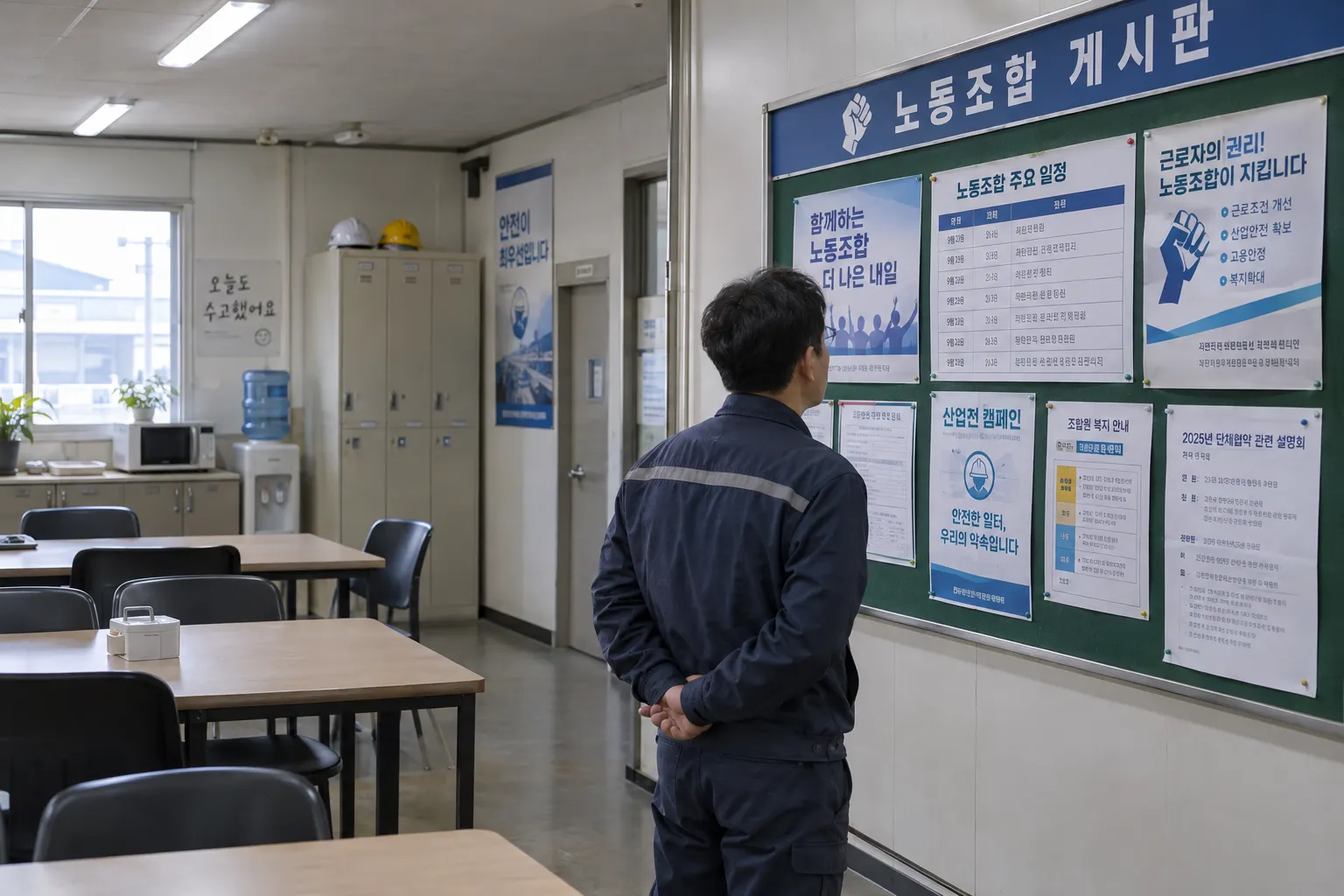
If you've heard mention of a labor union at your Korean workplace and weren't sure whether joining is expected, optional, or even relevant to your situation as a foreign employee, Korean labor union culture is genuinely more prominent and structurally different from union culture in some other countries, and understanding how it actually functions helps you make an informed decision rather than either avoiding it out of unfamiliarity or assuming it doesn't apply to you.
Here's how Korean labor unions actually work, and what foreign employees should understand about union membership and rights.
Union Presence Varies Significantly by Industry and Company
Korean labor unions are considerably more common and influential in certain sectors, manufacturing, large conglomerates, and specific public-sector industries, than in others, tech startups and many service-sector companies often have little to no union presence at all.
- Large manufacturing and heavy industry companies often have well-established, historically significant unions with meaningful negotiating power over wages, working conditions, and company policy, a genuinely different dynamic than many foreign employees might expect based on union culture in their home country.
- Smaller companies, startups, and much of the service and tech sector frequently have no union presence, union relevance to your specific employment situation depends heavily on which industry and company type you're working within.
- Public sector and certain state-affiliated positions often have specific, well-organized union structures, relevant primarily if your employment falls within this category rather than private-sector standard employment.
Can Foreign Employees Join a Korean Union?
- Korean labor law generally permits foreign workers to join labor unions on the same basis as Korean employees, provided the specific union's membership criteria (often based on job classification or company employment rather than nationality) are met, nationality itself generally isn't a barrier to union membership where a union exists at your specific workplace.
- Union membership is generally voluntary, not universally mandatory, though at some companies with strong union culture and high membership rates, there can be social or practical pressure toward joining, similar to how workplace culture more broadly shapes participation expectations in various company activities.
- Understanding your specific company's actual union culture and typical foreign employee participation patterns, rather than assuming a single universal norm, matters for making an informed decision about whether joining makes sense for your particular situation.
What Unions Actually Do in Practice
- Collective bargaining over wages and working conditions, a core union function, periodically negotiating terms with company management on behalf of union members, particularly significant at companies with strong, established union presence and negotiating history.
- Advocacy on specific workplace issues, disputes over termination, workplace safety concerns, or policy changes, unions sometimes provide a formal channel for raising and advocating on employee concerns that might otherwise be difficult to address individually.
- Periodic labor actions, in more significant disputes, Korean unions have historically engaged in visible labor actions, strikes or organized demonstrations, particularly at companies or industries with a strong union tradition, though this varies enormously by company and current relationship with management.
What Foreign Employees Should Understand Before Deciding
- Visa status considerations, generally, standard union membership and participation in typical union activities doesn't itself create visa complications for foreign employees on standard work visas, though understanding your specific situation, particularly around more significant labor actions, is worth clarifying if you're considering active participation beyond basic membership.
- Language considerations, union meetings, documentation, and internal communication are often conducted primarily in Korean, particularly at more traditional companies, worth understanding the practical language barrier to full participation even if formal membership itself is accessible.
- Understanding the specific union's actual track record and relationship with management at your particular company, rather than assuming a single generic "union" experience, since this varies enormously across different Korean companies and industries.
Common Misunderstandings
A frequent assumption among foreign employees, particularly those from countries with different union cultures, is either overestimating union relevance, assuming most Korean companies have significant union presence, or underestimating it entirely, assuming Korean workplace culture doesn't meaningfully feature unions at all. In practice, the reality varies enormously by specific industry and company, understanding your own specific workplace's actual union landscape, rather than applying a generic assumption in either direction, gives a more accurate picture.
Quick Summary
- Korean labor union presence and influence varies significantly by industry, more prominent in manufacturing and large conglomerates, often minimal or absent in startups and much of the service sector.
- Foreign employees can generally join a Korean labor union on the same basis as Korean employees where a union exists at their specific workplace, nationality itself isn't typically a barrier to membership.
- Unions primarily function through collective bargaining over wages and conditions, workplace issue advocacy, and, at some companies, periodic labor actions, though this varies enormously by specific company and current union-management relationship.
- Understanding your own specific workplace's actual union landscape and culture, rather than applying a generic assumption based on union culture elsewhere, matters for making an informed decision about membership and participation.