How Korean Workplace Shared Calendars and Meeting Culture Work

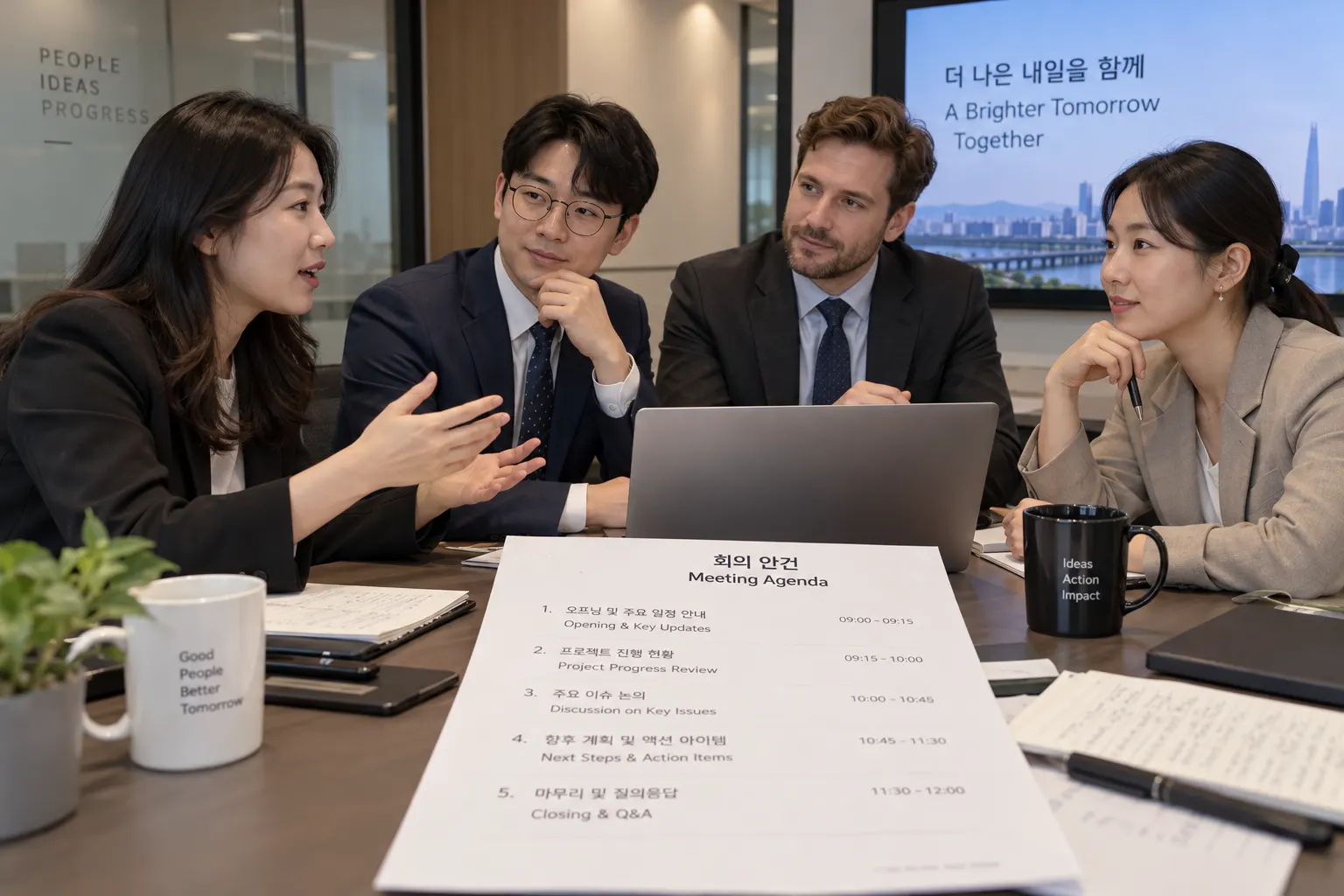
If your Korean team schedules meetings on short notice, runs them long, or expects you to attend several each day, you're seeing a meeting culture shaped by hierarchy and consensus. Korean workplace meetings are often used to share information and confirm decisions rather than to debate them openly. Understanding the pattern helps you contribute effectively and manage your time.
The Quick Answer: How Meetings Usually Work
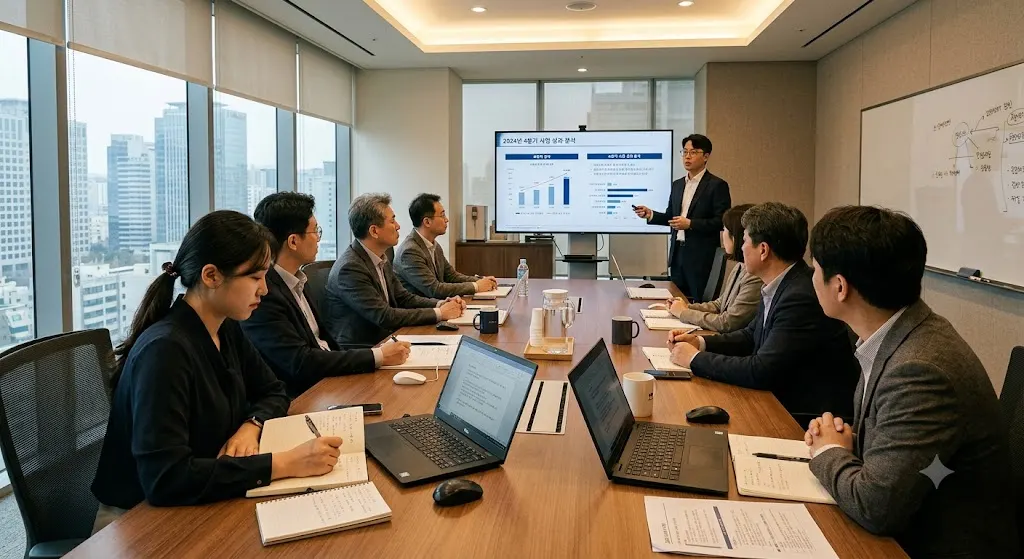
Meetings frequently include a senior person who sets the direction, a presenter who reports updates, and attendees who listen and respond when asked. Real discussion often happens before or after the formal meeting, as covered in the business negotiation guide.
Scheduling and Calendars
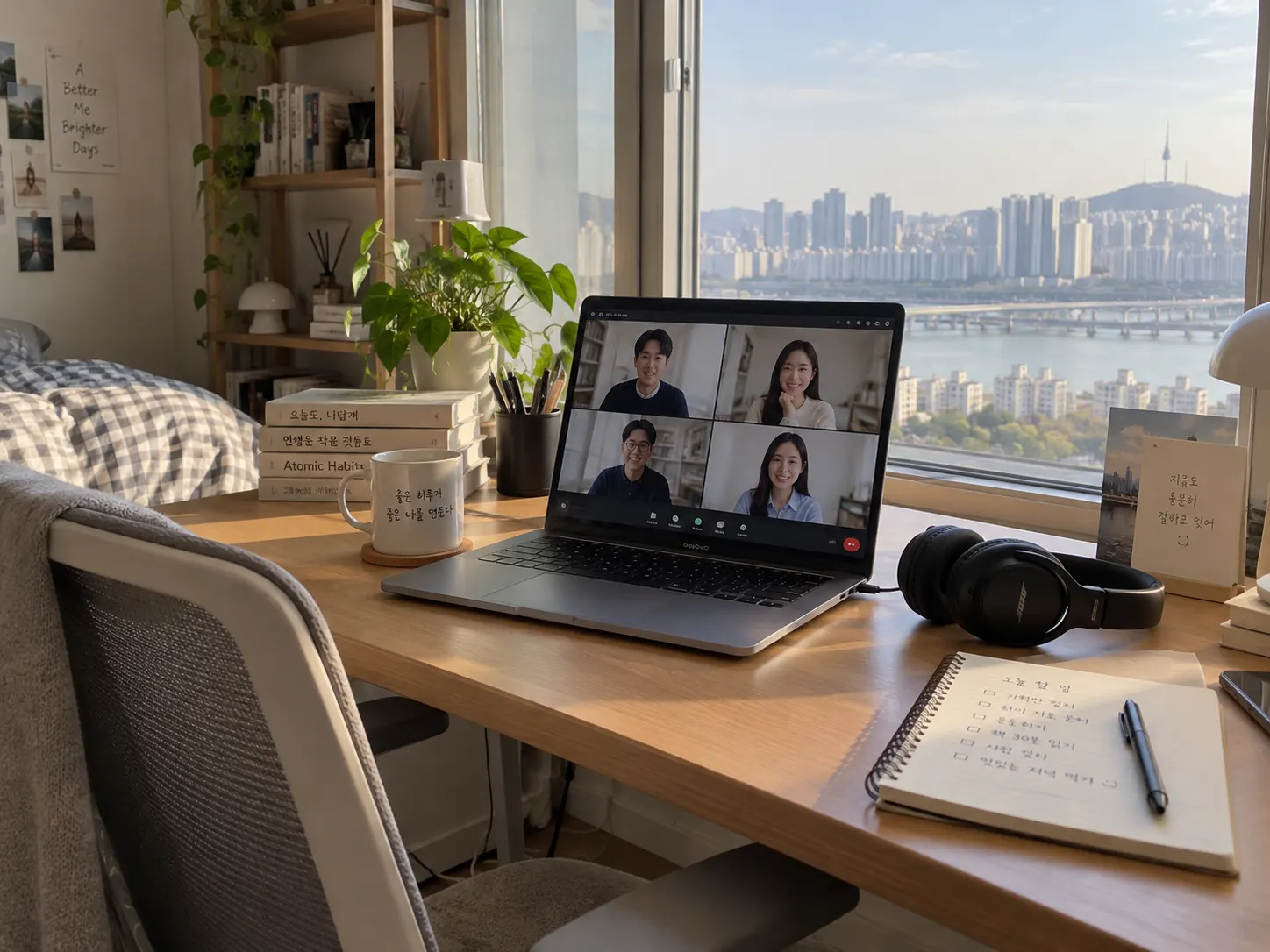
- Teams use shared calendar tools, such as company software, Google Calendar, or Outlook, to book rooms and times.
- Short-notice invitations happen, so check your calendar and messenger often.
- Meeting rooms may need a booking in advance, and rooms can be tight at busy hours.
- Some companies have regular recurring meetings, such as a weekly team meeting and a morning briefing.
Etiquette in the Room
- Arrive a few minutes early, since being late can look disrespectful.
- Let senior participants speak first and wait to be invited if you're junior.
- Take notes, which is common and expected.
- Raise disagreement carefully, often with a softened phrase, or in a one-on-one afterward.
- Silence does not always mean agreement, so confirm points in writing afterward.
Speaking Up as a Foreign Employee
Contributing is welcomed, but style matters:
- Prepare one or two points in advance.
- Frame suggestions as questions or options rather than direct criticism.
- Share ideas briefly and link them to the team's goals.
- Follow up by message or email to record decisions.
Managing Meeting Load
If meetings take over your day:
- Ask what you need to attend and what can be a quick update by message
- Block focus time on your calendar
- Request an agenda so you can judge whether you're needed
- Raise concerns respectfully with your manager
Practices differ widely, and startups and international teams tend toward shorter, flatter meetings.
Language Tips
If meetings are in Korean, ask for materials in advance, request a short English summary, or use a translation tool during the meeting for key terms. Asking a colleague to recap afterward is normal.
Common Mistakes
- Treating silence as agreement. Confirm outcomes.
- Speaking before the senior person in formal meetings. Watch the sequence.
- Ignoring calendar notifications. Short-notice changes are common.
- Skipping a written follow-up. It protects everyone's understanding.
Quick Summary
- Korean meetings often confirm decisions made informally, with senior people leading and discussion shaped by hierarchy.
- Check shared calendars frequently, arrive early, take notes, and let senior participants speak first.
- Raise ideas carefully and follow up in writing to confirm decisions.
- If meeting load is heavy, ask for agendas and discuss priorities with your manager.