How Parental Leave Works in Korea for Foreign Employees
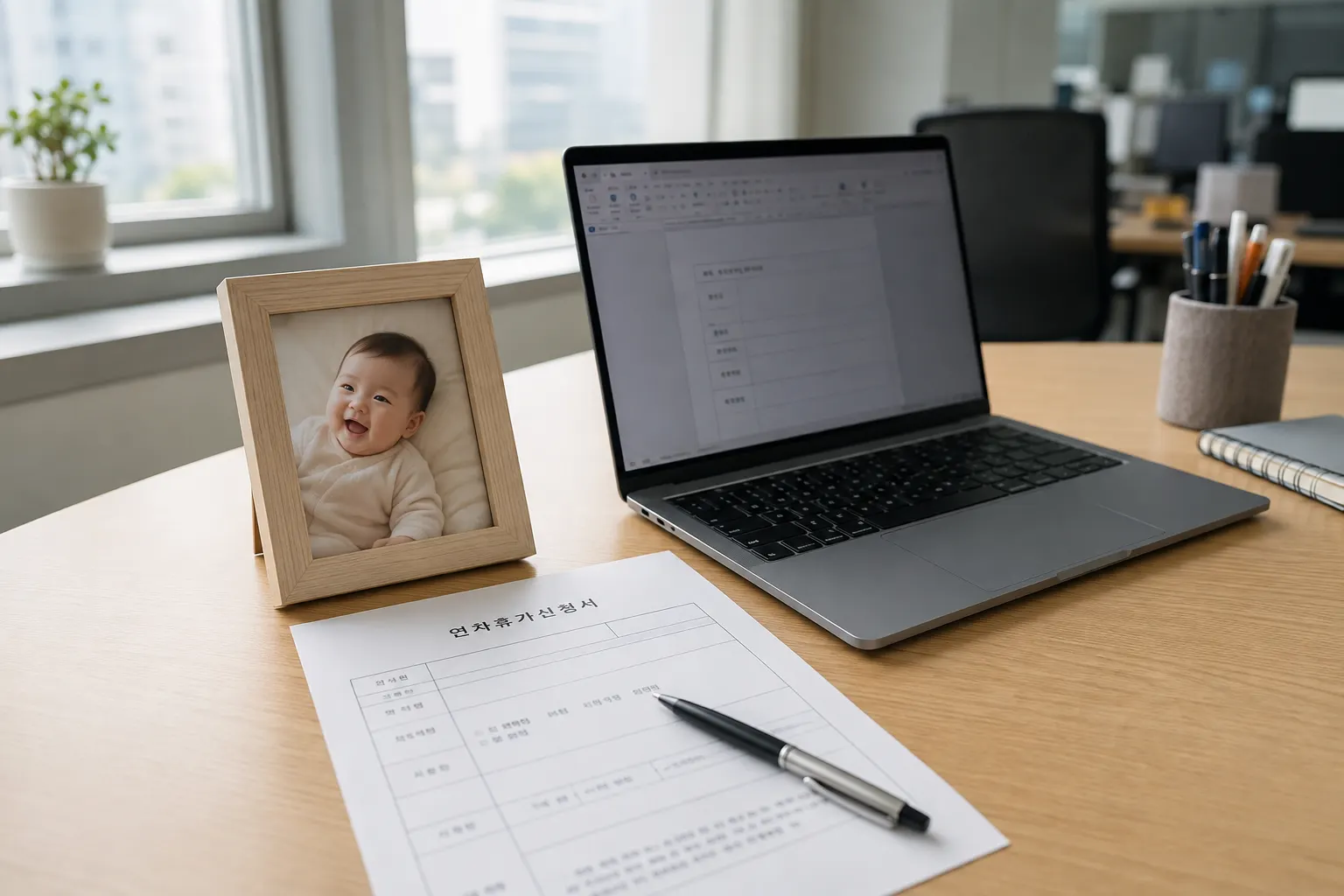
If you're expecting a child while working in Korea and unsure what leave you're actually entitled to, whether your foreign employment status changes anything, or how it compares to what you might expect from your home country, Korea's parental leave system is genuinely more generous on paper than many foreign employees assume, though awareness and actual workplace uptake, particularly for fathers, still varies significantly by company culture.
Here's how maternity, paternity, and broader parental leave actually work for employees in Korea.
Maternity Leave: The Legal Baseline
Korean labor law mandates maternity leave for employees who give birth, with specific paid leave requirements funded partly through Employment Insurance rather than solely the employer.
- Standard maternity leave is generally 90 days, extended to 120 days for multiple births, split with a portion required before and the majority after delivery.
- A portion of this leave is paid at full salary by the employer, with the remainder typically covered through Employment Insurance up to a certain wage ceiling, understanding this split matters for accurately budgeting during your specific leave period.
- This applies to foreign employees on standard employment visas the same as Korean employees, employers cannot legally deny this entitlement based on nationality.
Paternity Leave and Its Actual Usage
- Korea also mandates paternity leave, generally around 10 days, for fathers following the birth of a child, a legal entitlement separate from and in addition to any general annual leave.
- Actual uptake of paternity leave has historically been lower than the legal entitlement would suggest, reflecting workplace culture pressures around taking extended leave, particularly at more traditional companies, though this has been gradually shifting with generational change and increased government encouragement of paternal leave uptake.
- Foreign fathers working in Korea are entitled to the same paternity leave as Korean employees, though navigating workplace culture expectations around actually using it fully may require the same careful communication with management that Korean fathers themselves sometimes navigate.
Extended Parental Leave (Childcare Leave)
Beyond the initial maternity or paternity leave period, Korea also provides for extended childcare leave (육아휴직), available to either parent, for a significantly longer period than the initial birth-related leave.
- Childcare leave can generally extend up to one year per child, available to either parent (or split between both), during which a portion of income is covered through Employment Insurance rather than the employer directly.
- Job protection during this leave period is a legal requirement, employers generally cannot terminate employment specifically due to childcare leave usage, and are required to reinstate the employee to an equivalent position upon return.
- Foreign employees on employer-sponsored visas should specifically clarify how an extended leave period interacts with their visa status, since visa validity is often tied to continuous employment, understanding whether childcare leave affects this standing is worth clarifying directly with an immigration-savvy HR contact or immigration office before assuming it works identically to a Korean citizen's situation.
What to Actually Do If You're Expecting or Planning Leave
- Notify HR early and in writing, confirming your specific entitlement calculation and how it interacts with your particular employment contract and visa status.
- Understand the pay structure during your leave, since the combination of employer-paid and Employment Insurance-funded portions can create a different monthly income pattern than your regular salary, worth budgeting around this rather than assuming full salary continuation throughout the entire leave period.
- Clarify your position and role expectations upon return, Korean law generally requires reinstatement to an equivalent position, understanding what this means concretely at your specific company avoids ambiguity upon your return.
- If on an employer-sponsored visa, confirm with immigration or a labor consultant how extended leave affects visa standing, particularly relevant for longer childcare leave periods that could raise questions about continuous employment status.
Common Misunderstandings
A frequent assumption among foreign employees is that generous-sounding legal leave entitlements translate automatically into comfortable, friction-free uptake at every company. In practice, legal entitlement and actual workplace culture around fully utilizing that entitlement, particularly for paternity and extended childcare leave, don't always align perfectly, particularly at more traditional or hierarchical companies, understanding both the legal baseline and your specific company's actual practical culture around leave usage gives a more realistic picture than the legal text alone.
Quick Summary
- Korea mandates maternity leave (generally 90 days, 120 for multiple births) and paternity leave (generally around 10 days), applicable to foreign employees on the same basis as Korean employees.
- Extended childcare leave, available to either parent for up to a year per child, comes with job protection requirements, though foreign employees on employer-sponsored visas should clarify how this interacts with visa status specifically.
- Actual workplace uptake of paternity and extended childcare leave has historically lagged behind the generous legal entitlement, particularly at more traditional companies, though this is gradually shifting.
- Notifying HR early, understanding the pay structure during leave, and clarifying visa implications for employer-sponsored visa holders helps navigate parental leave smoothly as a foreign employee.