How Professional Networking Works in Korea for Foreign Workers

If you've noticed that professional advancement and opportunities in Korea seem to flow through personal connections more than a typical LinkedIn cold outreach might suggest, and wondered how to actually build a professional network as a foreign worker without an existing web of Korean university or military service connections, understanding how Korean professional networking actually functions helps you build genuine, useful connections rather than feeling permanently on the outside of an unfamiliar system.
Here's how professional networking works in Korea, and how foreign workers can realistically build connections.
Why Existing Networks Matter So Much
Korean professional culture places significant weight on established networks, often rooted in shared university attendance (동문), mandatory military service cohorts for Korean men, or long-standing company alumni relationships, networks that foreign workers generally can't directly access given their different background.
- University alumni networks (동문회) function as a genuine professional resource throughout many Koreans' careers, alumni sometimes help each other with job referrals, business introductions, or general career support well beyond graduation, a foreign worker without a Korean university background naturally can't tap into this specific network.
- Shared military service connections, relevant primarily among Korean men who've completed mandatory service, similarly function as an informal but genuinely significant professional bonding and networking mechanism, not something foreign workers, exempt from Korean military service, participate in.
- Understanding that these networks exist and matter, without treating their inaccessibility as a fundamental blocker, helps foreign workers focus energy on building the kinds of professional networks that are genuinely accessible rather than feeling perpetually behind on connections they were never going to have access to regardless of effort.
What Networking Avenues Are Actually Accessible
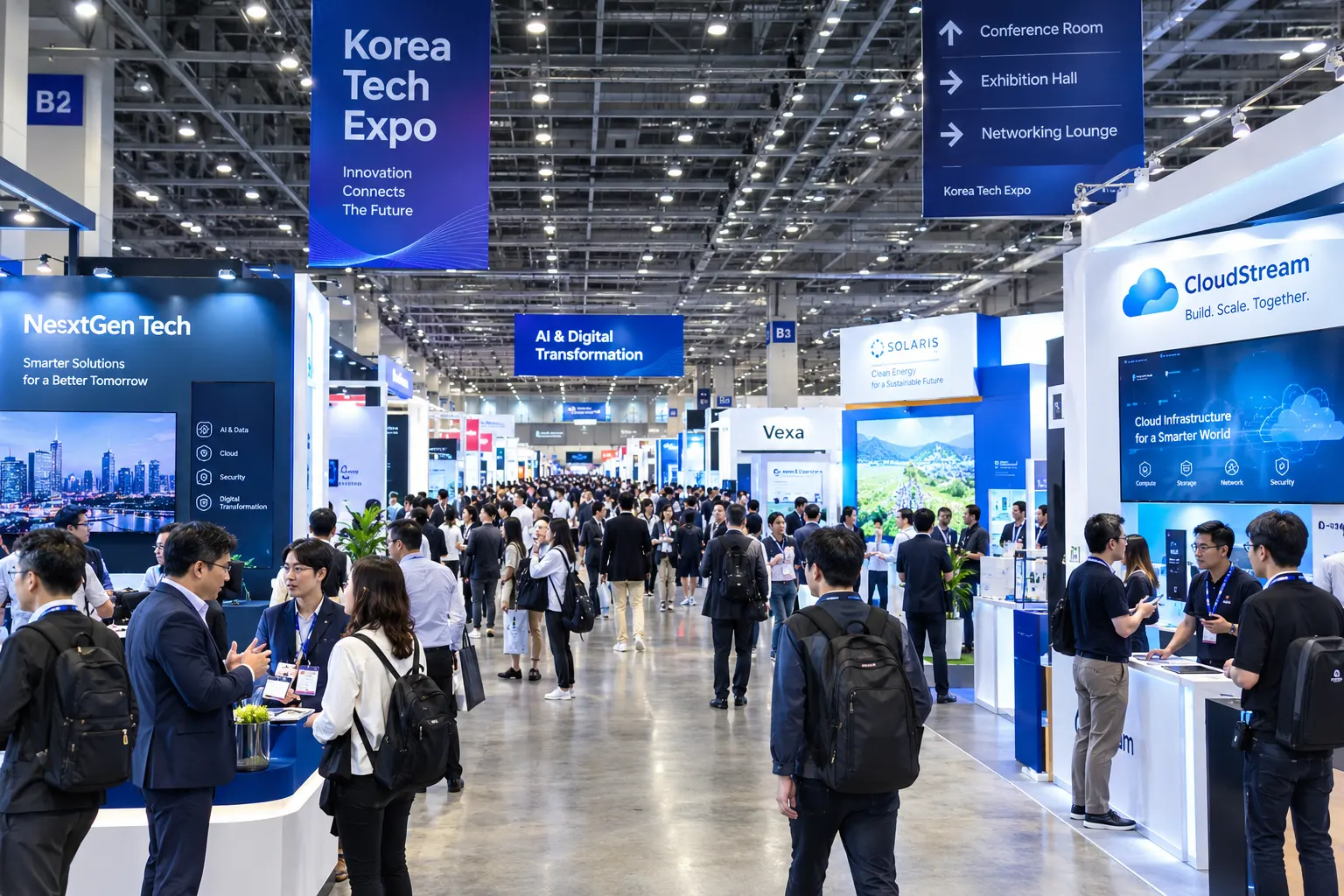
- International or foreign professional associations and chambers of commerce, many countries maintain a business chamber presence in Korea (American Chamber of Commerce, various European national chambers, and similar), offering networking events, industry discussions, and connections specifically among the international business community.
- Industry-specific professional groups and meetups, particularly in sectors like tech, startups, and international business, often have genuinely mixed Korean and foreign participation, more accessible entry points than trying to break into a Korean-specific alumni network.
- University international alumni networks, if you completed graduate study or an exchange program at a Korean university, this specific alumni connection is genuinely accessible and can function similarly, though generally smaller in scale, to the broader domestic alumni networks.
- Professional LinkedIn use, increasingly relevant in Korea's more internationally-oriented industries even though overall Korean professional culture has historically leaned less on LinkedIn than some Western professional markets, worth maintaining an active, genuine profile particularly if working in a more internationally-connected industry.
Building Genuine Professional Relationships Within a Korean Company
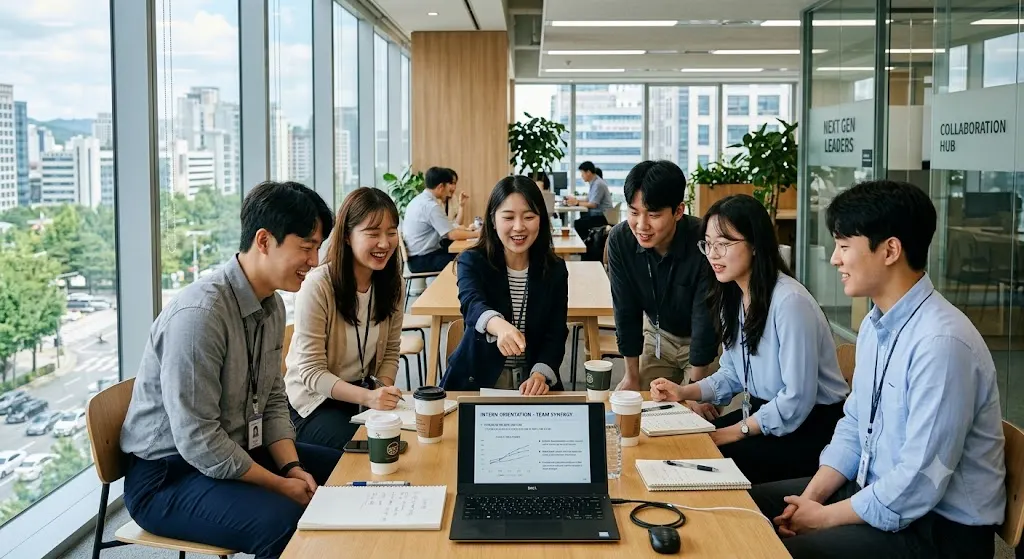
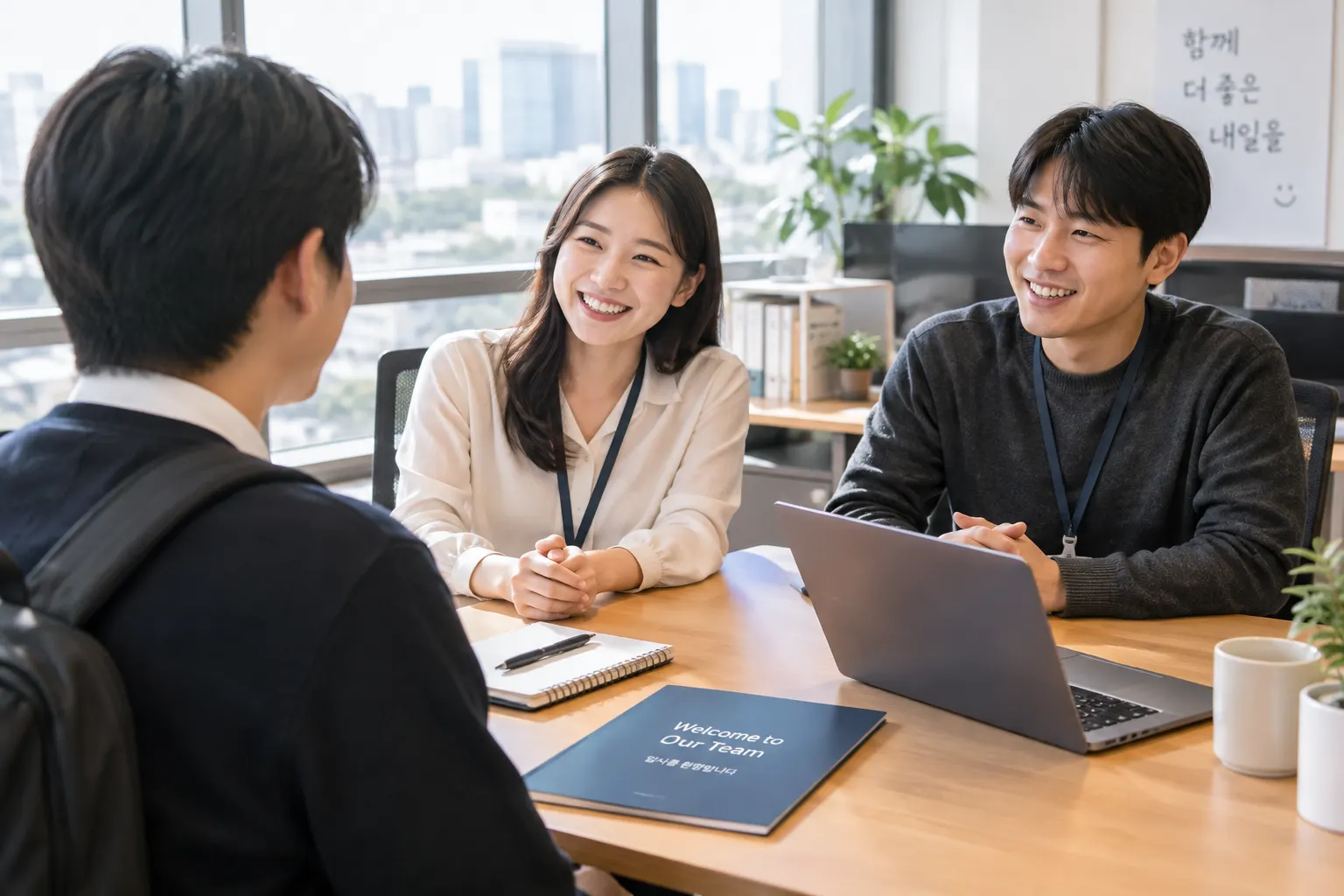
- Consistent, genuine workplace relationship-building, participating appropriately in team events like hoesik, showing genuine interest in colleagues, and being a reliable, engaged team member over time, builds real professional trust that compounds over your tenure at a specific company.
- Cross-departmental relationships, actively building connections beyond your immediate team, particularly relevant at larger companies, creates a broader internal network that can matter for future internal mobility or simply broader organizational understanding.
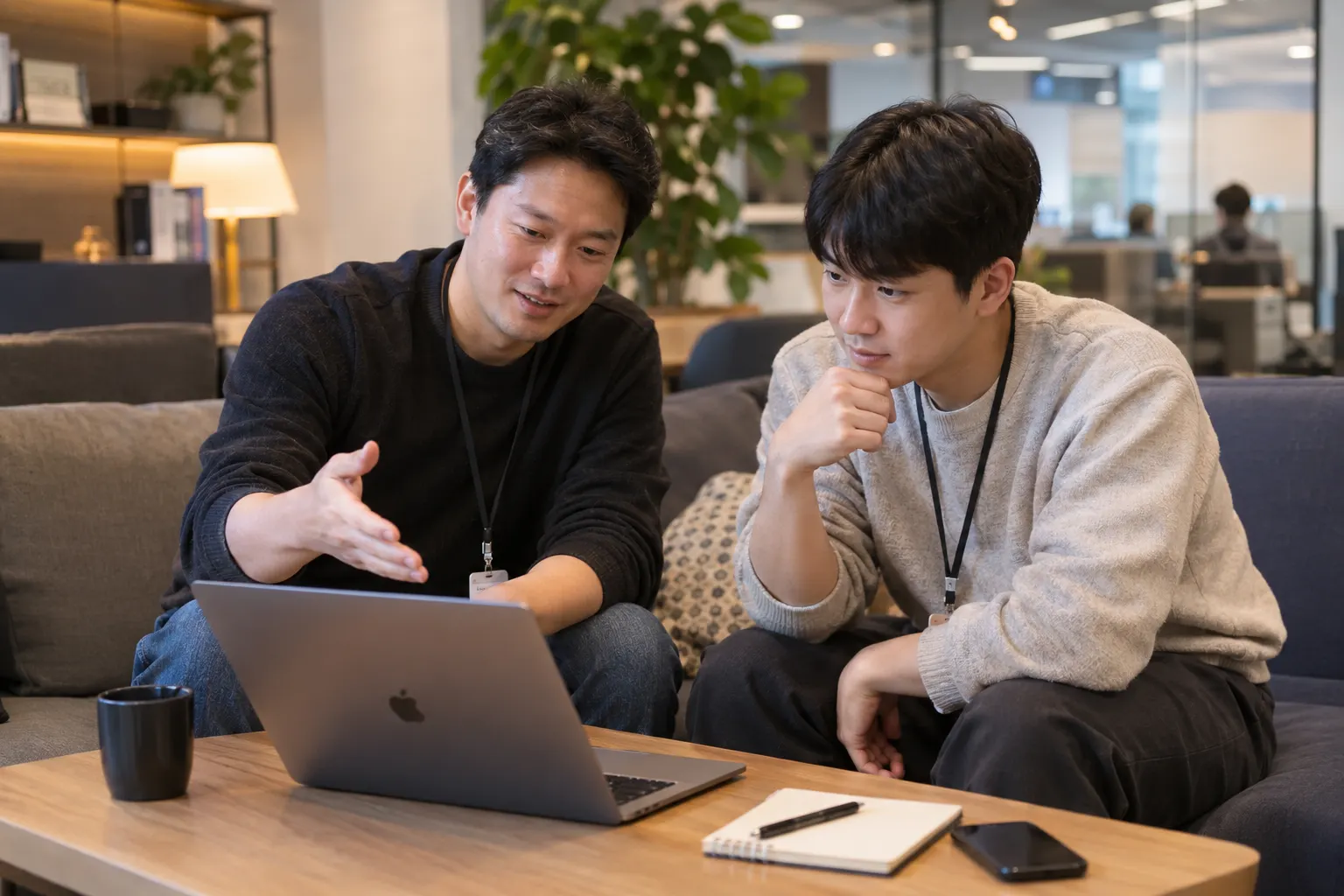
- Mentorship relationships, whether formal or informal, with more senior colleagues who've shown genuine interest in supporting your development, can function similarly to how alumni networks operate for Korean colleagues, a personally built relationship substituting for a shared institutional background you don't have.
Common Mistakes Foreign Professionals Make
- Treating networking purely transactionally, focusing conversations immediately on what a connection can do for you professionally, rather than building genuine rapport first, tends to be less effective in Korean professional culture's more relationship-conscious approach to networking generally.
- Underestimating informal settings for genuine relationship building, skipping team dinners or informal gatherings specifically to save time, missing opportunities that, while not strictly mandatory, genuinely contribute to the kind of trust-building that matters for professional advancement in Korean workplace culture.
- Assuming professional networking works identically to more transactional networking cultures, applying an aggressive, quick-connection-building approach that can feel presumptuous or overly transactional within Korea's more patient, relationship-first networking norms.
- Not leveraging accessible international or industry-specific networks because they seem smaller or less prestigious than the Korean-specific networks you can't access, genuine, actively maintained connections through accessible channels tend to matter more long-term than passively regretting inaccessible ones.
Quick Summary
- Korean professional networking often flows through university alumni and shared military service connections that foreign workers naturally can't access, understanding this rather than treating it as a personal failing helps redirect networking energy productively.
- International chambers of commerce, industry-specific professional groups, and university international alumni networks represent genuinely accessible networking avenues for foreign professionals in Korea.
- Building genuine, consistent workplace relationships over time, including appropriate participation in informal team gatherings, functions as a meaningful substitute network-building approach within a specific company.
- Approaching Korean professional networking with patience and genuine relationship-building focus, rather than a transactional, quick-connection approach, tends to align better with Korean professional culture's relationship-conscious norms.