How Korean Workplace Dress Codes Actually Work
If you've started a job in Korea and aren't sure whether "business casual" means the same thing it might at a company back home, or noticed your Korean colleagues dress noticeably more formally than you expected for a supposedly casual office, workplace dress norms in Korea often carry more unspoken specificity than the stated policy suggests, and reading the actual practiced norm matters more than the written dress code document alone.
Here's how Korean workplace dress codes typically work, and what tends to surprise foreign employees.
Why Written Policy Often Undersells the Actual Norm
A common pattern in Korean companies involves a relatively vague written dress code, "business casual" or "smart casual," that in practice reflects a considerably more polished, formal standard than the same phrase might suggest in some other countries.
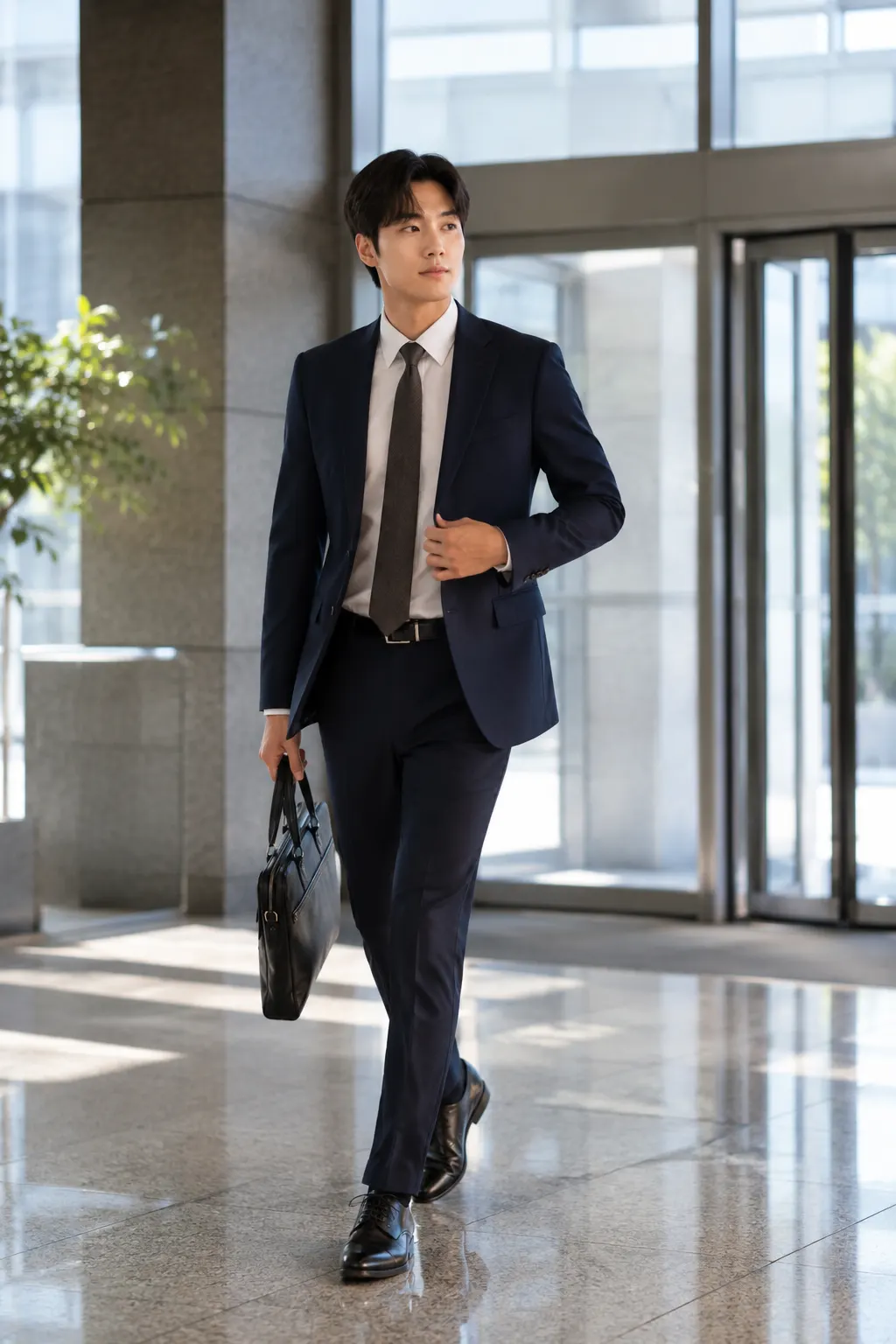
- "Business casual" in a traditional Korean company context often still means dress shirts, slacks, and polished shoes for men, and similarly polished, coordinated outfits for women, closer to a business formal standard in some other countries than a genuinely relaxed casual interpretation.
- Startups and younger, more international-facing companies have moved toward genuinely more relaxed dress norms, closer to what "casual" might mean in a Western tech company context, understanding your specific company's actual practiced norm, rather than assuming the written policy translates directly, matters for accurately calibrating your own wardrobe.
- Client-facing roles or departments often maintain stricter formality expectations even within an otherwise more relaxed overall company culture, worth understanding whether your specific role involves this kind of variation from the general office norm.
What This Looks Like in Practice
- Attention to grooming and overall polish tends to matter more in traditional Korean corporate culture than in some more casual-leaning international corporate cultures, well-maintained, coordinated outfits are generally noticed and valued, even within a nominally casual dress code.
- Seasonal uniformity is sometimes observed, particularly around specific company events, formal client meetings, or during certain high-visibility periods, worth asking a colleague if there's an unspoken seasonal or event-specific dress expectation beyond the everyday baseline.
- Hierarchy sometimes intersects with dress expectations, more senior staff occasionally maintaining a more consistently formal standard than junior staff, though this varies considerably by company and isn't a universal rule.
How to Calibrate as a New Foreign Employee
- Observe before assuming, spending your first week or two paying close attention to what colleagues at a similar level actually wear day-to-day, rather than relying solely on a written policy document that may understate the actual practiced norm.
- Err toward slightly more formal initially, particularly at a traditional or larger company, adjusting toward a more relaxed baseline once you've confirmed that's genuinely the accepted norm, rather than risking an initial impression of being underdressed relative to actual office culture.
- Ask directly if genuinely uncertain, a straightforward question to HR or a colleague about specific dress expectations, particularly for client meetings or company events, is a reasonable and normal question rather than something that makes you look uninformed.
- Pay attention to specific occasion variations, understanding that a genuinely casual everyday office norm might still require more formal dress for specific client meetings, presentations, or company-wide events.
Common Mistakes Foreign Employees Make
- Taking a written "casual" dress code too literally, arriving in genuinely casual clothing (t-shirts, sneakers) when the actual practiced office norm is considerably more polished than the written policy suggests.
- Not adjusting for specific occasions, wearing everyday office attire to a formal client meeting or company event where a more polished standard was implicitly expected.
- Overlooking grooming and overall coordinated polish, focusing solely on individual garment choices without recognizing that overall neatness and coordination matter meaningfully in how professional presentation is perceived in Korean workplace culture.
- Assuming dress norms are identical across every Korean company, a genuinely more relaxed startup culture and a traditional conglomerate can have meaningfully different practiced dress norms even under similarly worded written policies, observing your specific workplace rather than applying a single assumption across all Korean companies matters.
What's Changing
Younger, more international-facing companies and startups have genuinely shifted toward more relaxed, Western-style casual dress norms over the past decade, reflecting broader generational and cultural shifts in Korean workplace culture generally. That said, this shift isn't universal, particularly at larger, more traditional conglomerates or in client-facing industries where a more polished standard remains the practiced norm regardless of written policy language, observing your specific workplace's actual practice remains the more reliable approach than assuming any single standard applies uniformly across Korean companies.
Quick Summary
- Written Korean workplace dress codes, particularly "business casual," often understate the actual practiced norm, which frequently skews more formal and polished than the same phrase might suggest elsewhere.
- Observing what colleagues at a similar level actually wear, rather than relying solely on written policy, gives a more accurate sense of your specific workplace's real dress expectations.
- Client-facing roles, formal meetings, and company events often carry stricter formality expectations even within an otherwise more relaxed everyday office culture.
- Startups and younger, international-facing companies have shifted toward genuinely more relaxed dress norms, but this varies significantly, observing your specific workplace remains more reliable than assuming a single standard applies universally.