How Korean Workplace Email and Messaging Apps Actually Work
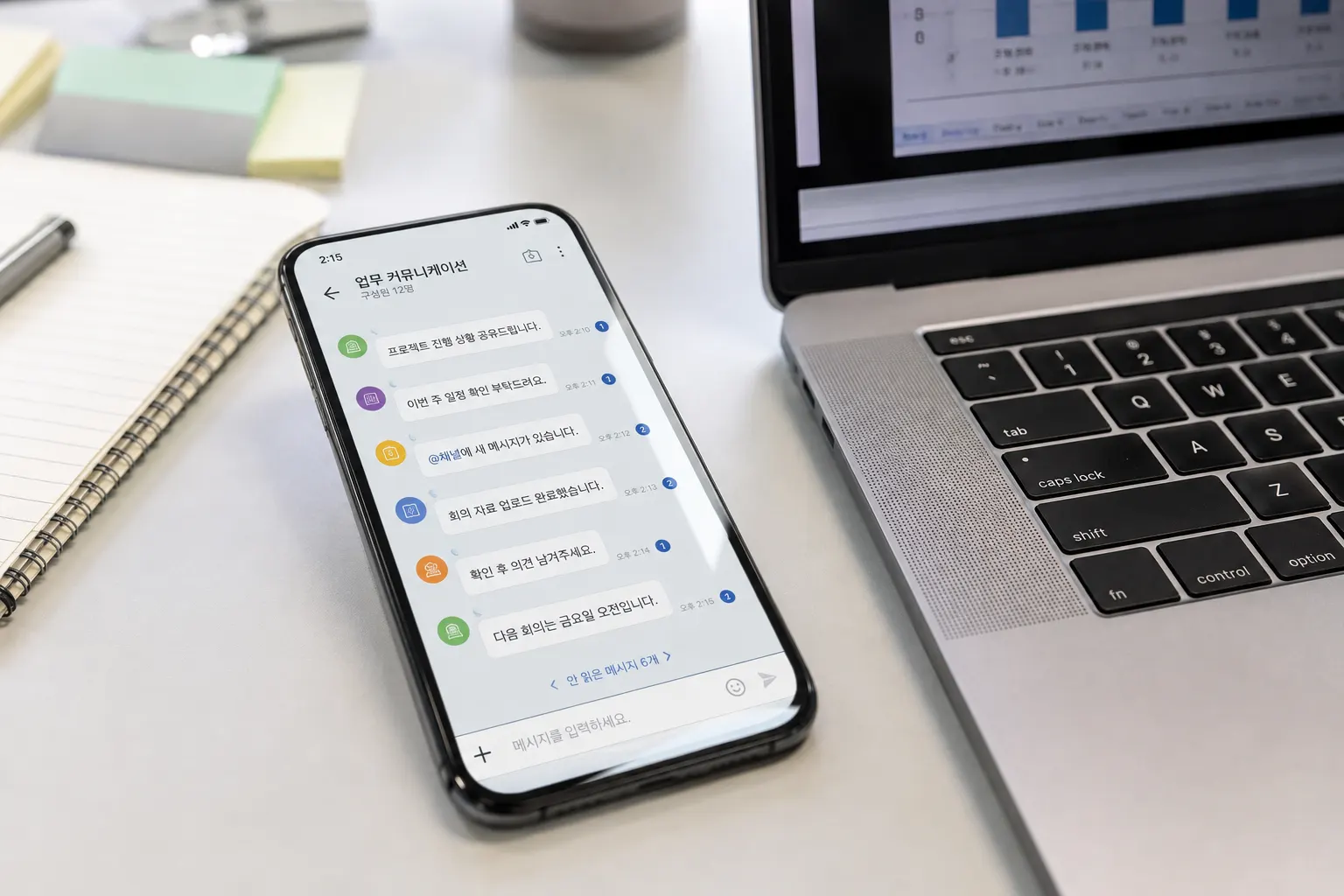
If you've joined a Korean company and been told to install KakaoTalk for work communication, or found yourself juggling a separate company messenger app alongside email, you've encountered how fragmented and messenger-heavy Korean workplace communication actually is compared to email-centric norms in some other countries. Understanding which channel is used for what, and the etiquette around each, avoids missing important messages or using the wrong channel for the wrong kind of request.
Here's how Korean workplace communication actually flows across email, messengers, and internal systems.
Why KakaoTalk Shows Up in Professional Contexts
KakaoTalk, Korea's dominant messaging app for personal use, frequently bleeds into professional communication as well, a pattern that surprises many foreign employees expecting a cleaner separation between personal and work messaging.
- Team group chats on KakaoTalk are extremely common, even at companies that also use a dedicated internal messenger, quick coordination, schedule changes, and informal updates often happen here rather than through more formal channels.
- This blending of personal and professional messaging means many Korean employees, and increasingly foreign employees at Korean companies, end up with work-related notifications appearing on the same app used for personal messaging with friends and family, worth setting up notification management if this becomes overwhelming.
- Response expectations on KakaoTalk work chats can feel faster-paced than email, particularly for urgent or time-sensitive coordination, understanding your specific team's actual response norms, rather than assuming email-level response time expectations apply, helps calibrate appropriately.
Dedicated Internal Messengers
Many companies, particularly larger or more structured organizations, also use a dedicated internal company messenger separate from personal KakaoTalk use, often for more formal internal communication and cross-department coordination.
- These platforms function similarly to Slack or Microsoft Teams in structure, channels or rooms organized by team or project, though the specific software varies by company, some Korean companies use internationally known platforms, others use Korea-specific business messaging software.
- Formal decisions and documentation are more likely to happen through this internal system or email rather than casual KakaoTalk group chats, understanding which channel carries more official weight at your specific company matters for knowing where to look for or confirm important information.
Email's Role in Korean Workplace Communication
Email in Korean workplaces tends to be used more for formal, external, or documentation-heavy communication than for quick internal coordination, a somewhat different balance than workplaces where email remains the primary channel for nearly everything.
- External communication with clients, partners, or other companies generally defaults to email, following the more formal etiquette conventions common in Korean business correspondence.
- Formal internal announcements or documentation requiring a clear record, policy changes, formal requests, official decisions, often go through email specifically because it creates a more definitive written record than a messenger chat that can get buried in ongoing conversation.
- CC conventions, as with formal Korean business email generally, often carry more procedural weight, being CC'd or expected to CC certain people reflects hierarchy and transparency norms specific to Korean workplace culture.
Practical Guidance for Foreign Employees
- Ask early which channel is used for what at your specific company, rather than assuming a single communication pattern applies universally, this varies enough between companies that a direct question early on saves confusion later.
- Don't ignore KakaoTalk work group chats even if they feel less formal than email, important coordination and time-sensitive information often flows through this channel specifically because of its speed and ubiquity.
- Reserve appropriately formal language for email and formal internal announcements, while calibrating a slightly more casual (but still professional) tone for team messenger chats, matching the register of the specific channel rather than applying identical formality everywhere.
- Set boundaries around after-hours messenger notifications if this becomes a genuine work-life balance concern, this is an increasingly recognized issue in Korean workplace culture broadly, not just for foreign employees, and some companies have specific policies limiting after-hours contact expectations.
Common Mistakes Foreign Employees Make
- Treating KakaoTalk work chats as strictly informal and lower priority, missing genuinely important, time-sensitive coordination that happens through this channel specifically because it's faster than email.
- Not understanding which channel carries more "official" weight for a given company, leading to confusion about where to look for or confirm formal decisions versus casual coordination.
- Applying identical formality across every channel, either being too casual in formal email or unnecessarily stiff in a fast-moving team chat, reading the specific channel's actual norm matters more than a single fixed personal style.
- Not asking about after-hours expectations early, leading to either unnecessary stress from feeling obligated to respond immediately outside work hours, or unintentionally missing genuinely time-sensitive requests by assuming messenger notifications can always wait.
Quick Summary
- Korean workplace communication often blends personal messaging apps like KakaoTalk with dedicated internal messengers and email, each carrying different formality and urgency expectations.
- KakaoTalk work group chats are commonly used for fast coordination despite their informal personal-app origin, worth taking seriously rather than assuming lower priority than email.
- Formal decisions, external communication, and documentation-heavy matters generally default to email or a dedicated internal system, which carries more official weight than casual messenger chats.
- Asking early which channel is used for what at your specific company, and clarifying after-hours response expectations, helps avoid both missed communication and unnecessary stress.