Finance
How Korean ATM Networks and Cash Access Actually Work
By New In Korea TeamPublished Updated
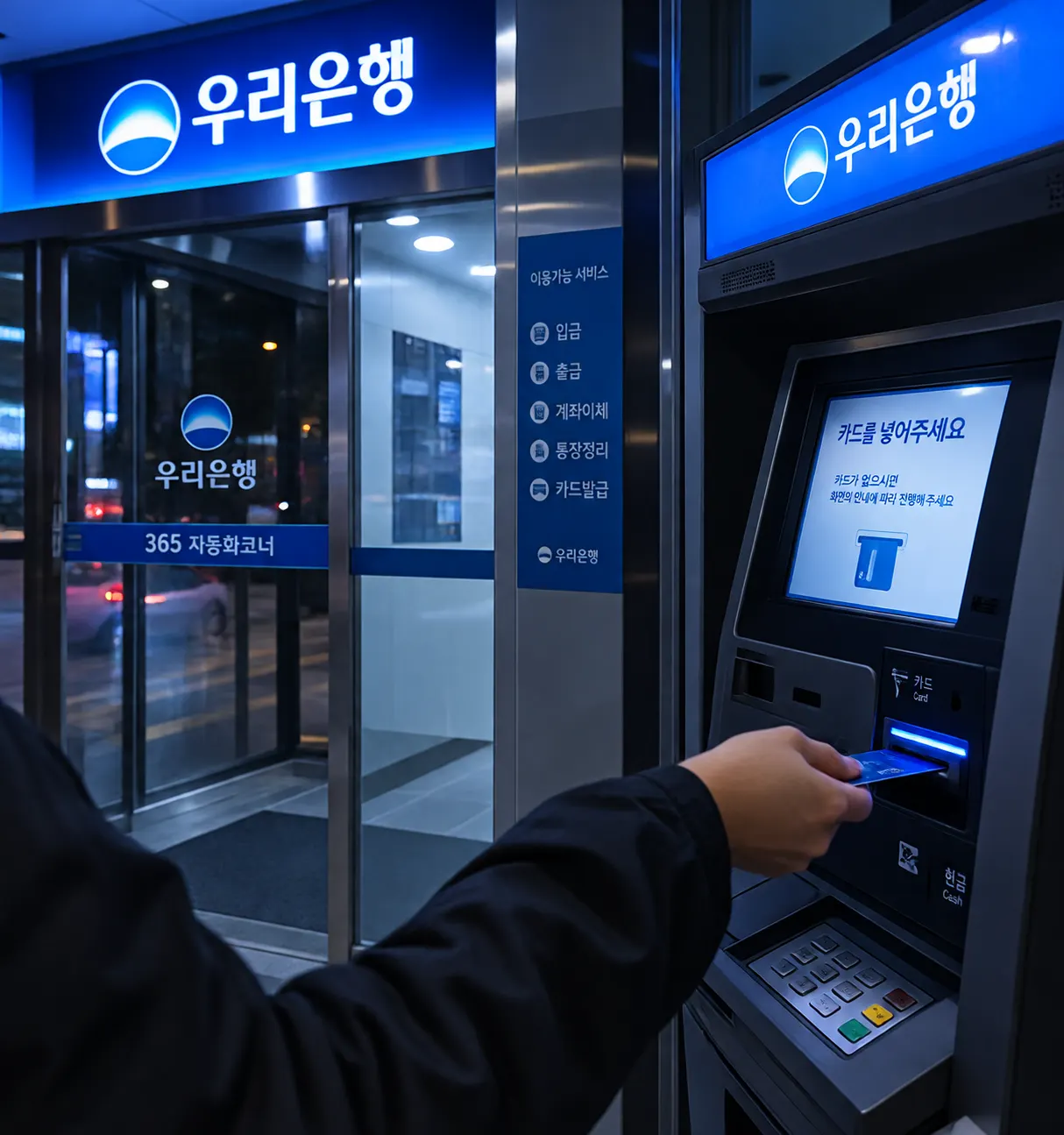
If you've tried withdrawing cash in Korea and found your card declined at one ATM but working fine at another, or gotten hit with a fee you didn't expect, understanding how Korea's ATM network is actually organized, split across bank-specific and shared networks with different fee structures and foreign card compatibility, helps you access cash more efficiently and avoid unnecessary charges.
Here's how Korean ATM networks and cash access actually work.
Bank-Specific vs. Shared ATM Networks
- Each major Korean bank operates its own ATM network, using your own bank's ATM is generally free or lowest-cost during standard business hours, a fee is typically added when using a different bank's ATM, or your own bank's ATM outside standard hours.
- Convenience store ATMs, extremely common across Korea, often operate through a shared network not tied to any single bank, generally carrying their own specific fee structure, sometimes higher than a bank's own branch ATM, but valuable specifically for their extended hours and widespread availability, particularly late at night when bank branch ATMs may have reduced access.
- Understanding which network a specific ATM belongs to before withdrawing, though not always obvious from the machine's appearance alone, matters for anticipating whether a fee will apply, most ATMs do display the fee clearly before you confirm the transaction, worth actually reading this screen rather than assuming based on location alone.
Foreign Card Compatibility
- Not all Korean ATMs accept foreign-issued cards, even machines that look identical, compatibility depends on whether the specific ATM is configured for international card networks (Visa, Mastercard, and similar), some ATMs, particularly certain bank-specific machines, may not process a foreign card even if it works elsewhere.
- Larger banks and certain ATM networks generally have better foreign card compatibility, often specifically marked with international card network logos on the machine itself, looking for these markings before attempting a withdrawal with a foreign card helps avoid a failed transaction.
- Foreign transaction fees apply from your home bank in addition to any Korean ATM fee, understanding this double fee structure, both the Korean ATM fee and your home bank's foreign transaction fee, matters for understanding the actual total cost of withdrawing cash using a foreign card versus a Korean-issued card.
Cash Access for New Arrivals Before a Korean Bank Account
- Relying on a foreign card at compatible ATMs represents the practical bridge for cash access during the period before you've opened a Korean bank account, understanding which specific ATMs reliably accept foreign cards, generally larger banks' main branch ATMs or specifically marked international-compatible machines, matters for this transition period.
- Airport ATMs generally offer reliable foreign card compatibility, useful for immediate cash needs upon arrival, though rates and fees at airport locations tend to be less favorable than what you'll find at other ATMs once settled, similar to the airport currency exchange dynamic covered in how currency exchange apps compare for foreign residents.
- Bringing some cash from your home country for the initial arrival period, before you've fully sorted out either a Korean bank account or reliable ATM access, remains a reasonable practical backup during the first few days.
Withdrawal Limits and Practical Considerations
- Daily withdrawal limits apply both from your own bank's policy and sometimes from the specific ATM network itself, understanding your account's specific limit, and that a single ATM visit may not accommodate a very large cash need, matters for planning larger cash withdrawals in advance.
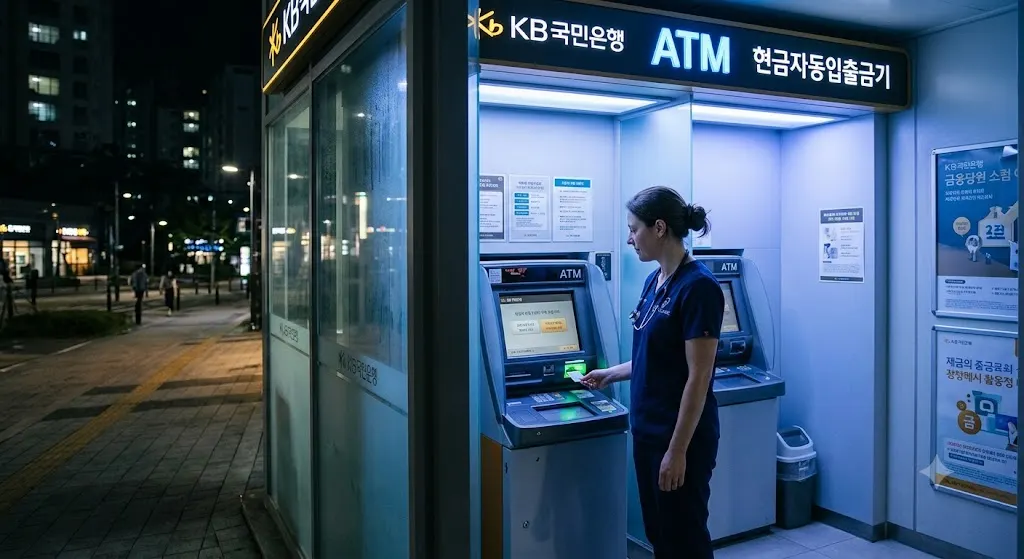
- ATM operating hours, while many are available 24 hours, particularly at convenience stores, some bank branch ATMs have specific operating hours or reduced access overnight, worth understanding your specific regular ATM's actual hours if you anticipate needing off-hours access regularly.
- Card security and skimming awareness, standard ATM safety practices, covering the keypad when entering your PIN, using well-lit, populated locations particularly at night, apply in Korea the same way they would anywhere, Korea generally has a low crime rate but basic caution remains reasonable practice.
Common Mistakes Foreign Residents Make
- Assuming all Korean ATMs accept foreign cards uniformly, leading to a frustrating series of declined attempts before finding a compatible machine, checking for international network markings before attempting saves time.
- Not understanding the fee structure difference between your own bank's ATM, a different bank's ATM, and shared network machines like those at convenience stores, resulting in accumulating unnecessary fees for frequent small withdrawals.
- Relying entirely on foreign card ATM withdrawal for an extended period rather than prioritizing opening a Korean bank account promptly, given the accumulated foreign transaction fees and more limited compatible ATM options compared to using a Korean-issued card.
- Not planning for daily withdrawal limits when needing a larger cash amount, discovering the limit only when a transaction is declined rather than understanding your specific limit in advance.
Quick Summary
- Korean ATMs split across bank-specific networks and shared networks like those at convenience stores, each with different fee structures, using your own bank's ATM during business hours generally offers the lowest or no fee.
- Foreign card compatibility varies by specific ATM, looking for international network markings before attempting a withdrawal helps avoid a failed transaction, and foreign transaction fees from your home bank apply on top of any Korean ATM fee.
- Larger bank branch ATMs and airport ATMs generally offer more reliable foreign card compatibility, useful for the period before you've opened a Korean bank account.
- Understanding daily withdrawal limits and specific ATM operating hours helps you plan cash access more efficiently, particularly for larger withdrawal needs or off-hours access.