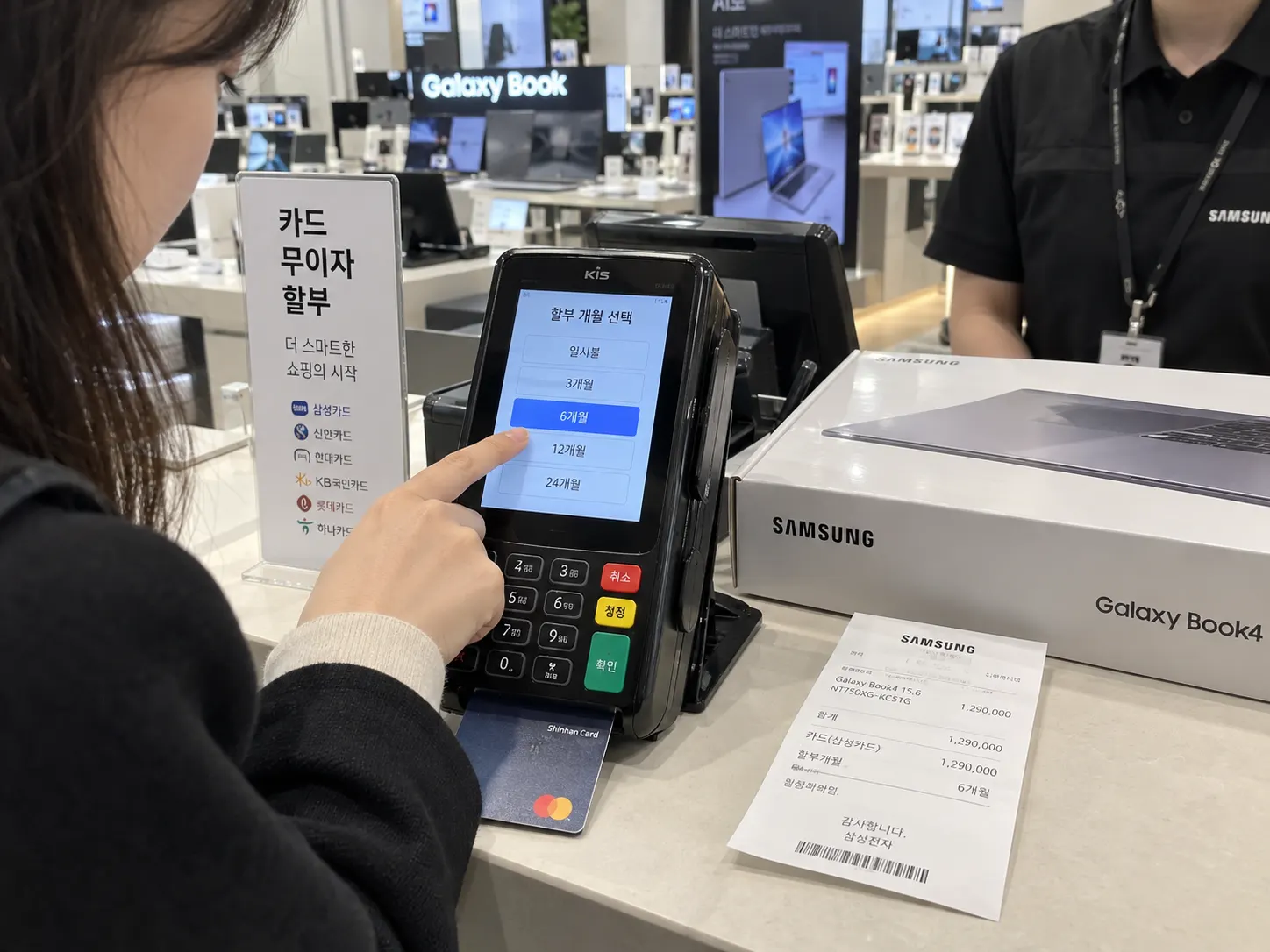
How Korean Cash Receipts and Year-End Deductions Work
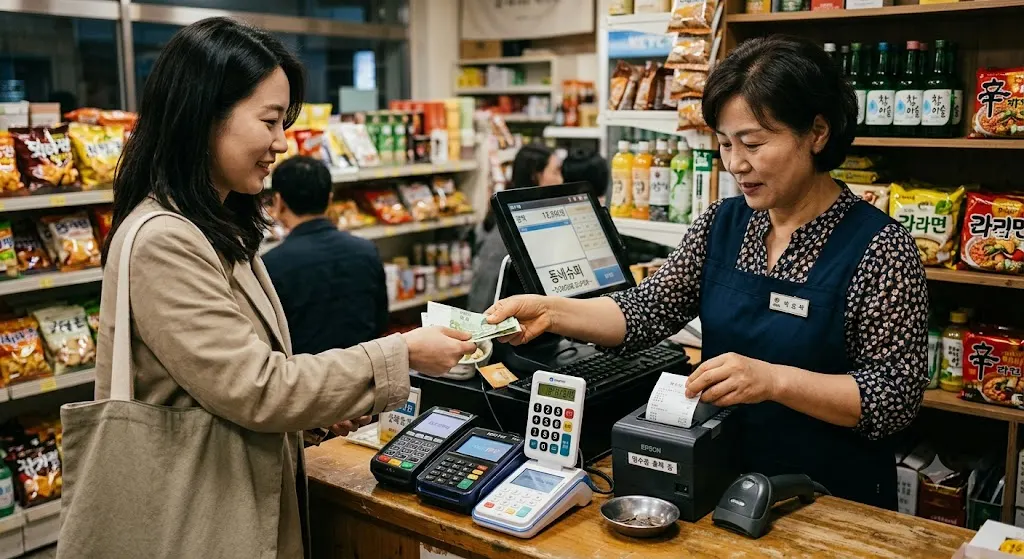
If a Korean shop clerk has asked whether you want a "cash receipt" (현금영수증) after you paid cash, it is worth saying yes. A cash receipt in Korea links your purchase to your tax record, which can increase your year-end tax deduction if you are an employee. Most foreign workers never claim it, mostly because the system is not explained to them.
Here is what the receipt does, how to register, and what it can realistically be worth.
The Quick Answer: What a Cash Receipt Is
A cash receipt is an electronic record of a cash payment, tied to your phone number or a registered card. When you give your number at checkout, the purchase is recorded under your name. At year-end tax settlement, the total of these records can count toward a deduction for eligible spending.
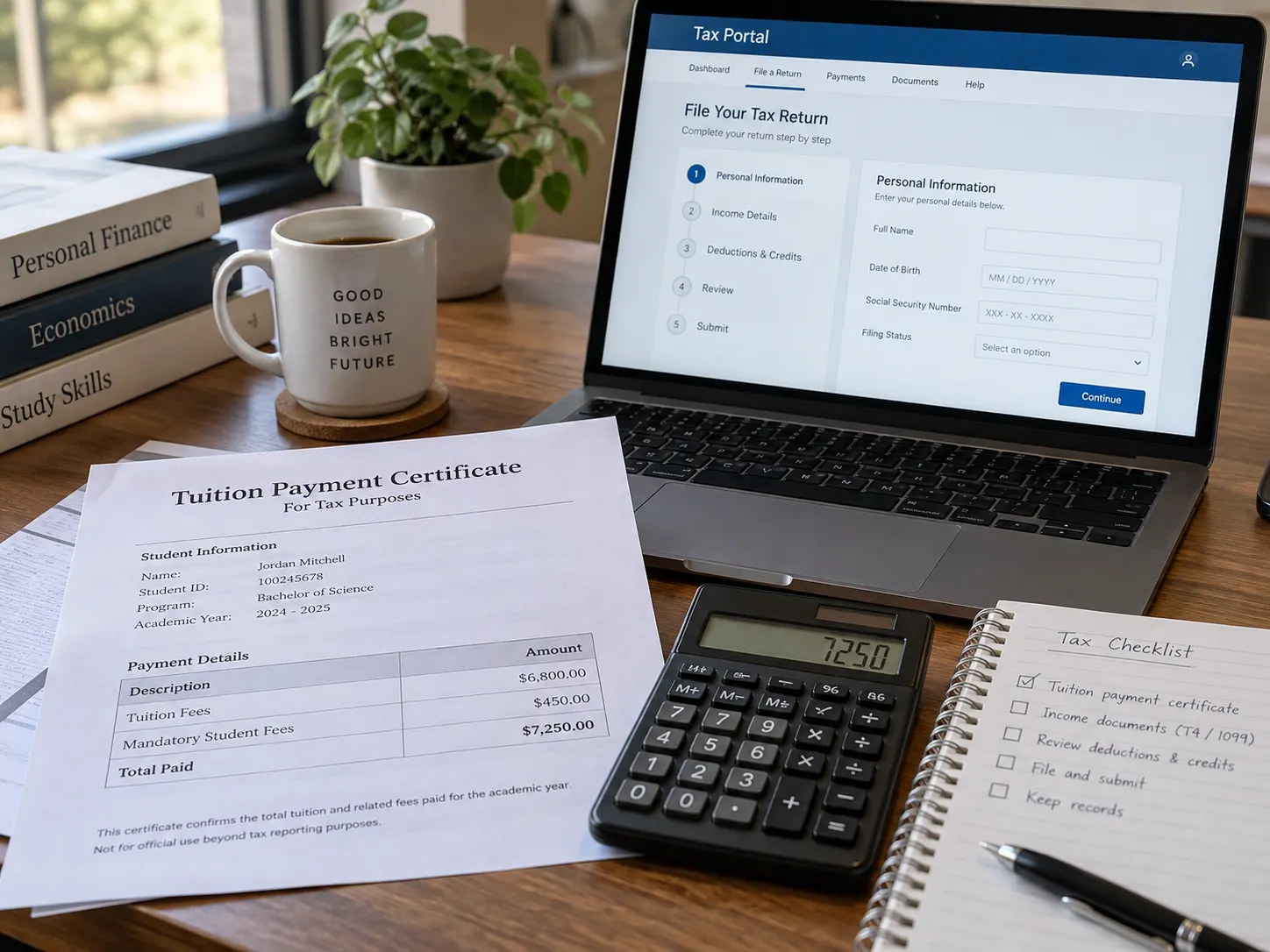
As covered in the year-end tax guide, the benefit comes from how much you spend relative to your income, so it matters most when you actually use cards and cash regularly.
How to Register
- Open the Hometax portal or a Hometax-linked app and sign in with your verified identity.
- Register your mobile number as a cash receipt number in the cash receipt section.
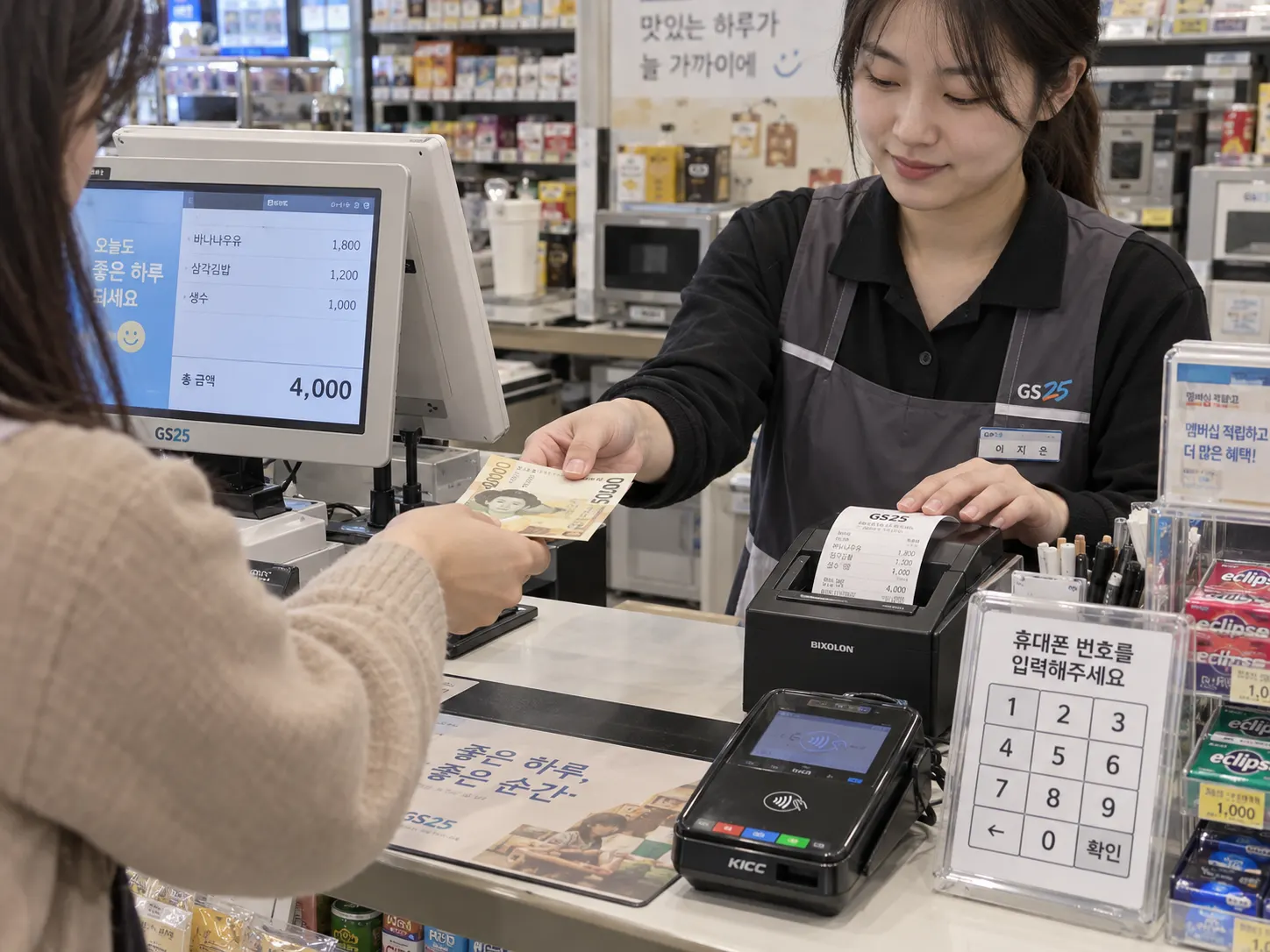
- When you pay with cash, give that number at the register so the shop issues the receipt.
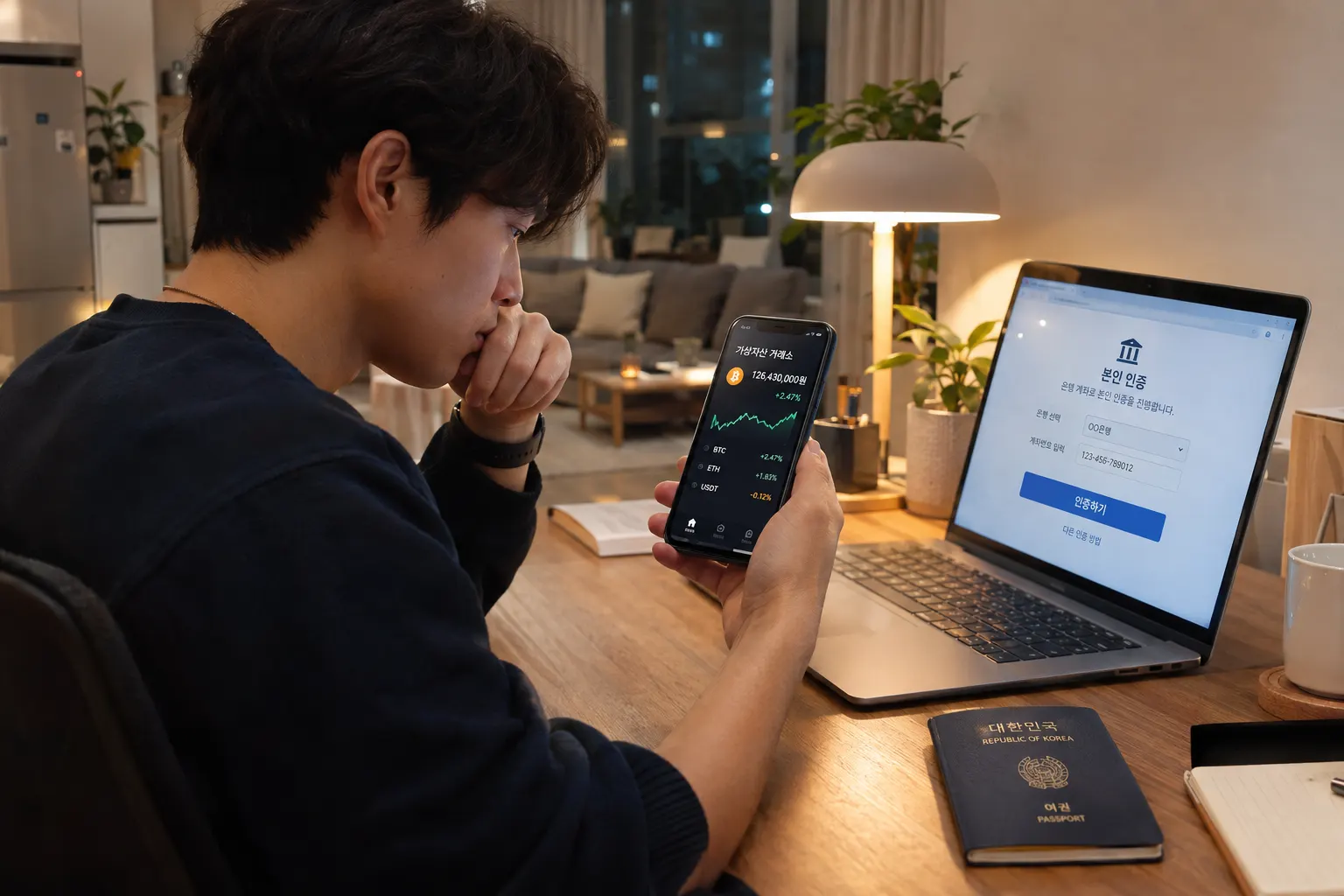
You also register your cards in Hometax so card spending is tracked. This depends on the same verified Korean phone and ARC setup used for other Korean digital services, so you may need to complete those first.
Which Spending Counts
The deduction generally looks at your total spending on credit cards, check cards, and cash receipts. Rates differ by payment type: check cards and cash receipts usually earn a higher deduction rate than credit cards. Certain spending categories, such as public transit and traditional markets, often receive favorable treatment, though the rules and rates are adjusted from time to time.
Because the details change, confirm the current rules and limits with your HR team or the National Tax Service rather than relying on a fixed number. Your payroll or HR contact normally uses the data Hometax pulls automatically during settlement.
The Key Rule: A Minimum Spending Threshold
Credit card, check card, and cash receipt deductions generally apply only to spending above a portion of your salary, commonly a quarter of annual income. Below that threshold, you get nothing from these deductions. Many newer foreign workers spend relatively little through Korean cards in their first year, which is why the deduction often turns out small.
Who Benefits Most
- Employees going through year-end settlement
- People who spend a substantial portion of income through Korean cards and cash
- Longer-term residents with a full year of Korean spending history
If you are a freelancer filing as a sole proprietor, the rules differ, and the guidance for employees may not apply. A tax professional can confirm which treatment fits you.
Common Mistakes
- Not giving your number when paying cash. The shop cannot issue a receipt later in most cases.
- Not registering cards in Hometax. Unregistered cards may not appear in the data used for settlement.
- Expecting a large refund from small spending. The deduction only counts above the threshold.
- Using a foreign card for most purchases. Foreign card spending generally does not feed into the Korean deduction system.
Quick Summary
- A cash receipt (현금영수증) links your cash purchases to your tax record, so eligible spending can count toward your year-end deduction.
- Register your phone number and cards in Hometax, and give your number when paying cash.
- The deduction generally applies only above a spending threshold tied to your salary, and rates differ for credit cards, check cards, and cash receipts.
- Confirm current rates and limits with HR or the National Tax Service, since they are adjusted periodically.