How Korean Currency Exchange Apps Compare for Foreign Residents
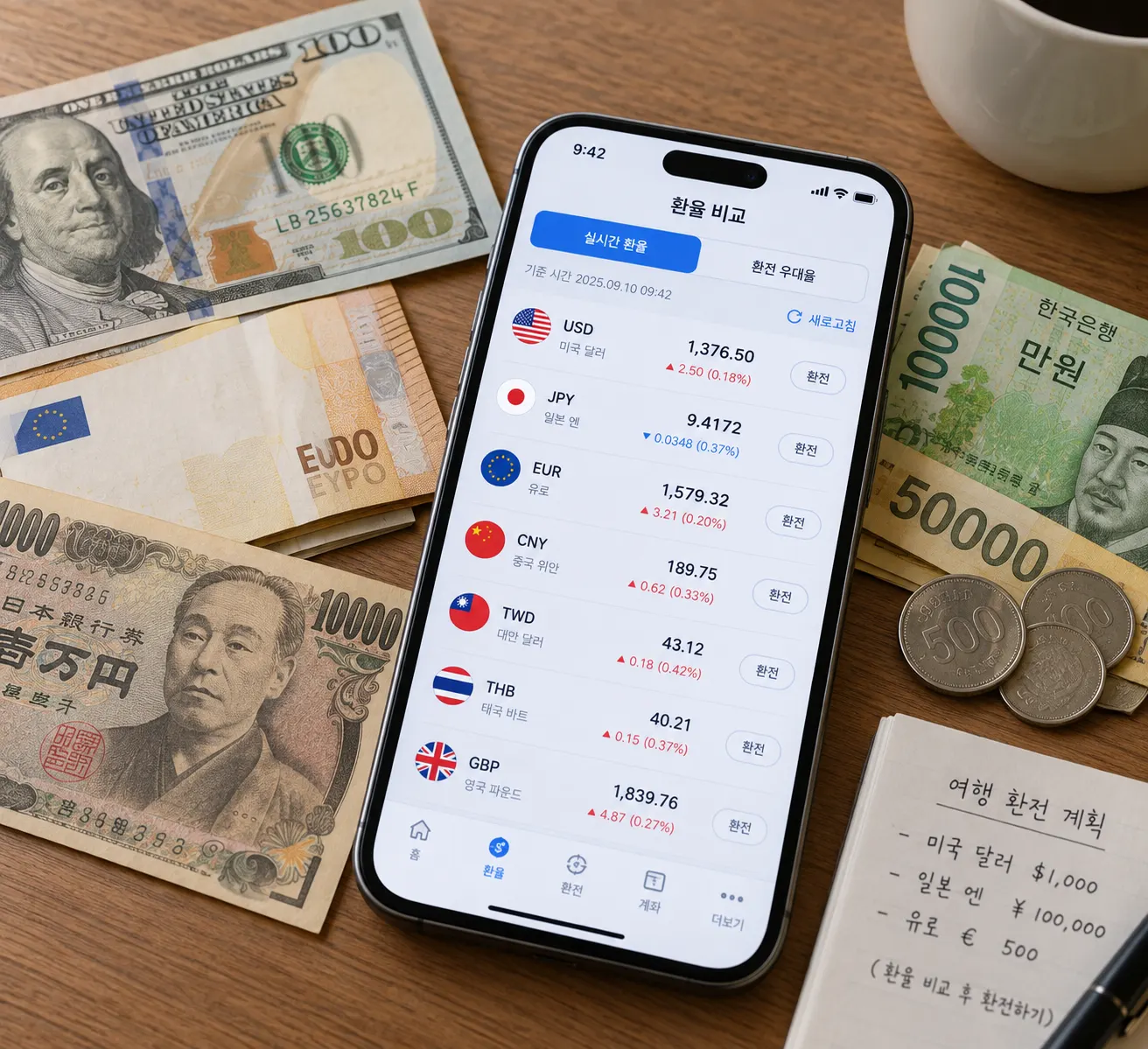
If you've been using bank branches or airport kiosks for currency exchange in Korea and wondered whether a dedicated exchange app might offer better rates or more convenience, Korea's currency exchange landscape has genuinely expanded beyond traditional bank and money-changer options in recent years, with app-based services now offering competitive alternatives worth understanding before your next exchange.
Here's how Korean currency exchange apps work, and how they actually compare to traditional options.
Why App-Based Exchange Has Grown
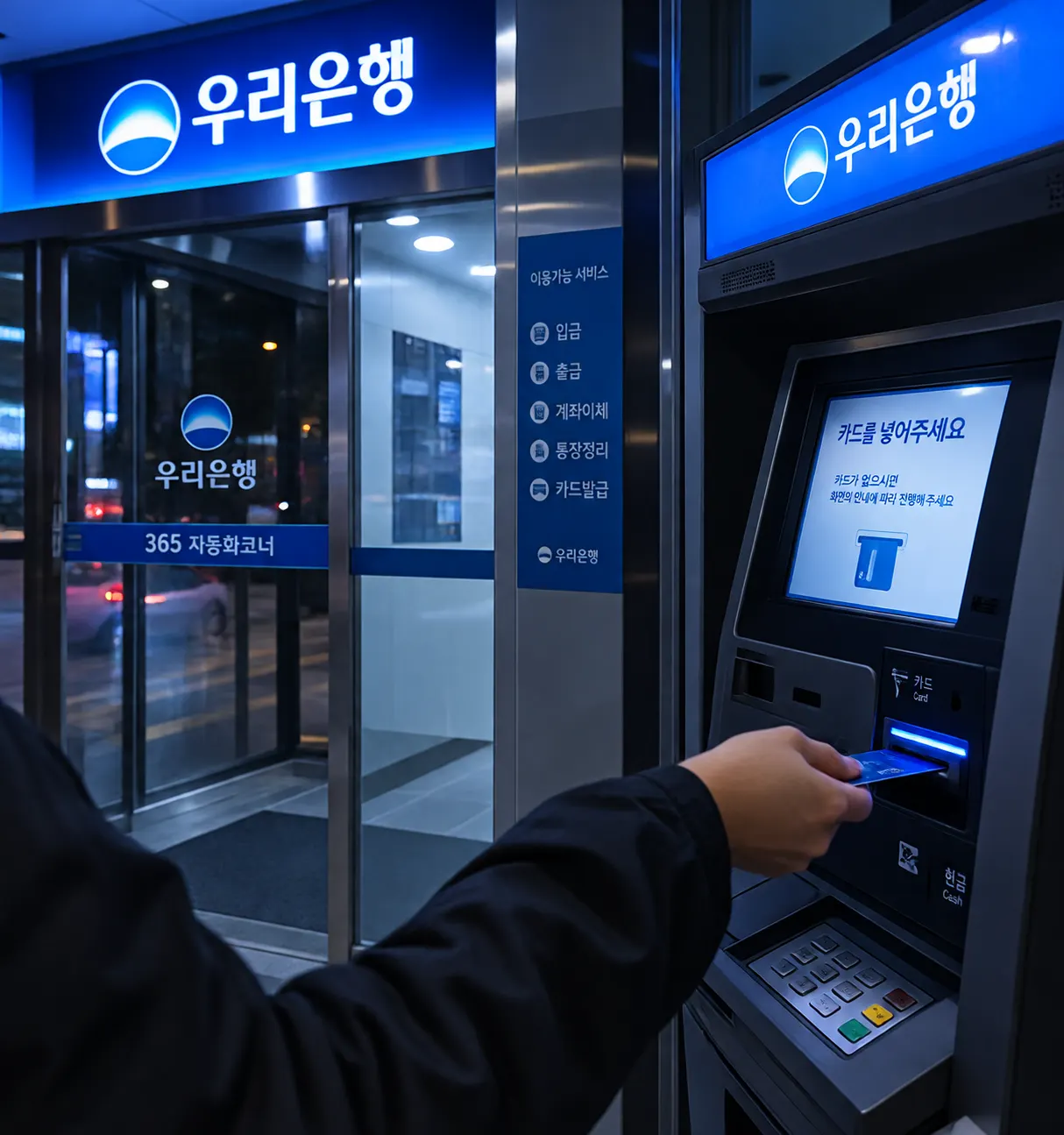
Traditional currency exchange in Korea, bank branches and physical money changers, generally involves either less competitive rates (particularly at convenience-focused locations like airports) or the need to physically visit a location during business hours, app-based exchange services have emerged specifically to address these friction points.
- Dedicated currency exchange apps, some operated by traditional banks expanding their digital offerings, others by newer fintech-focused companies, generally offer rate transparency and sometimes meaningfully better rates than a physical branch or airport kiosk, particularly for common currency pairs like USD-KRW.
- Pre-ordering and pickup services, a common app-based model, let you lock in a rate and order currency for pickup at a specific branch or airport location, avoiding the need to exchange in person at whatever rate is posted at the counter that day.
- Some apps integrate directly with banking services, allowing exchange and transfer within a single connected app ecosystem, worth checking whether your existing bank offers this kind of integrated app feature before assuming you need an entirely separate exchange-specific app.
Comparing Rates: What Actually Matters
- The posted exchange rate isn't the only factor, service fees, minimum or maximum exchange amount restrictions, and whether the rate is genuinely live or a slightly stale reference rate all affect the actual value you receive, comparing the final amount you'd actually receive across a couple of options, rather than just the headline rate, gives a more accurate comparison.
- Airport kiosk rates are generally the least competitive, reflecting the convenience premium of that specific location, using an airport kiosk only for a small amount needed immediately upon arrival, then exchanging larger amounts through a better-rated app or bank branch once settled, is a common practical strategy.
- Rate fluctuation timing matters for larger exchanges, some apps allow rate-locking at the time of order even if pickup happens later, worth understanding whether a specific app's rate guarantee actually protects you from unfavorable movement between order and pickup.
Using These Apps as a Foreign Resident
- Most currency exchange apps require standard Korean digital verification, similar to other Korean financial apps, a Korean phone number and often bank account linkage, meaning full access isn't immediate for very new arrivals without this foundational setup in place.
- Some apps specifically market toward foreign residents or tourists, occasionally with more accessible registration processes not requiring full Korean verification, worth checking whether a specific app has this kind of foreign-friendly onboarding if you're newly arrived and haven't completed standard Korean digital verification yet.
- Comparing a few specific apps directly for your typical exchange needs, rather than assuming any single option is universally best, since rate competitiveness and fee structures shift periodically as more providers enter this space.
When Traditional Bank Exchange Still Makes Sense
- Very large exchanges, particularly relevant for something like bringing substantial savings from abroad for a housing deposit, sometimes benefit from direct bank negotiation or a dedicated large-transaction service rather than a standard app-based consumer exchange product designed around smaller, routine amounts.
- Less common currency pairs, if you're exchanging a currency beyond the most commonly traded ones, app availability and competitive rates may be more limited, a traditional bank or specialized money changer sometimes offers better access for less common currency needs.
- Situations requiring in-person documentation or consultation, particularly for exchanges tied to specific large financial transactions requiring foreign exchange reporting compliance, as covered in how foreign exchange and money transfers work in Korea, sometimes benefit from direct bank interaction rather than a purely app-based transaction.
Common Mistakes Foreign Residents Make
- Defaulting to airport exchange for anything beyond immediate arrival needs, missing meaningfully better rates available through apps or bank branches once you've had time to compare options after settling in.
- Not comparing the actual final amount received across options, focusing solely on the headline exchange rate without accounting for fees or minimum amount restrictions that affect the real value received.
- Assuming all currency exchange apps require the same level of Korean digital verification, some genuinely offer more accessible onboarding for newer foreign residents, worth checking a few specific options rather than assuming uniform requirements.
- Not considering rate-locking options for planned, larger future exchanges, if you know you'll need to exchange a significant amount at a predictable future date, checking whether a specific app or bank service allows locking in a current rate can provide useful predictability.
Quick Summary
- Currency exchange apps in Korea have expanded meaningfully beyond traditional bank and airport kiosk options, often offering more competitive rates and convenient pickup or delivery arrangements.
- Comparing the actual final amount received, not just the headline exchange rate, across a few specific options gives a more accurate sense of genuine value than rate comparison alone.
- Most exchange apps require standard Korean digital verification, though some specifically offer more accessible onboarding for foreign residents or tourists, worth checking a few options if newly arrived.
- Very large exchanges, less common currency pairs, or transactions requiring specific documentation sometimes still benefit from traditional bank interaction rather than a purely app-based consumer exchange product.