Finance
How to Dispute a Bank or Credit Card Charge in Korea
By New In Korea TeamPublished Updated
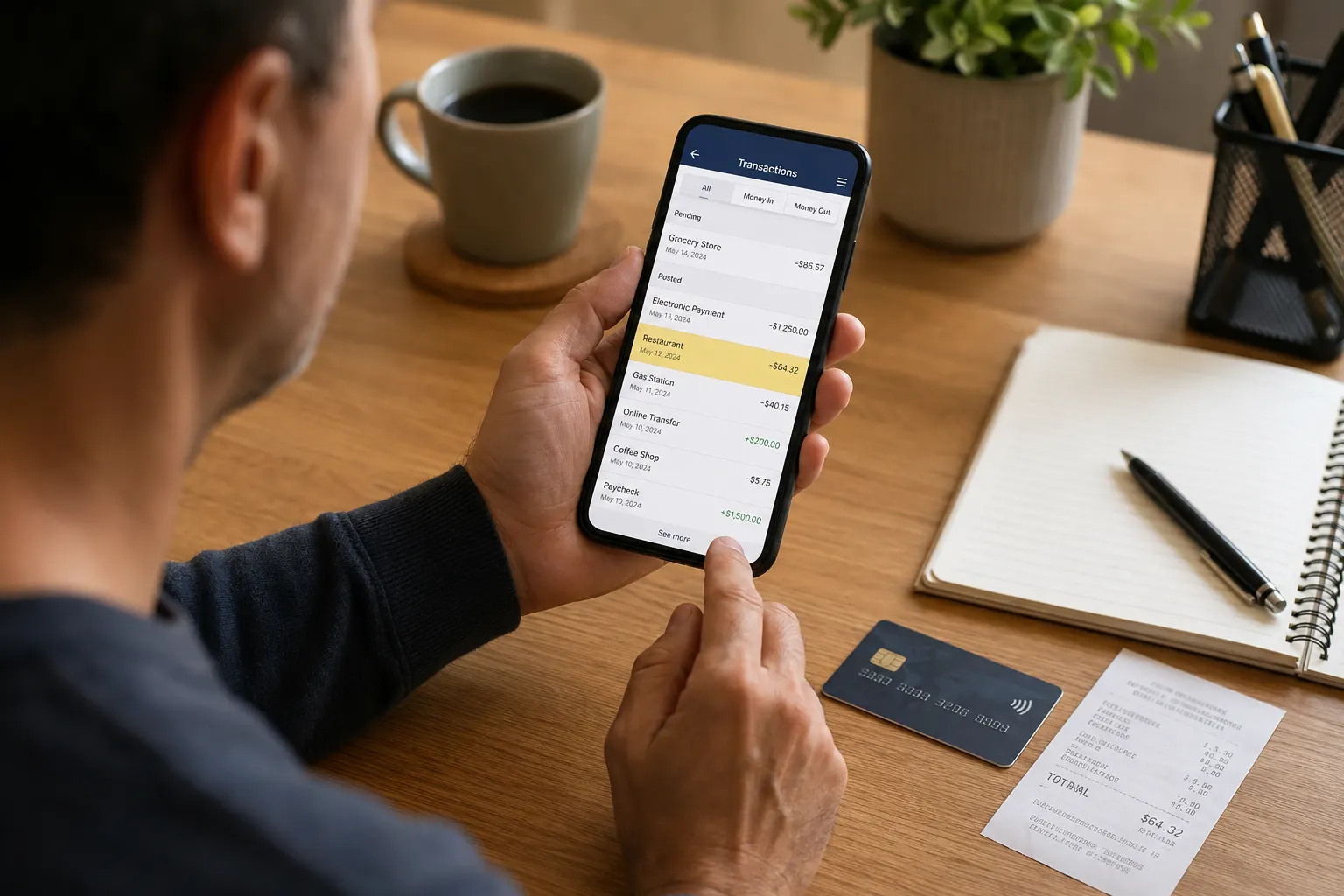
If you've spotted an unfamiliar charge on your Korean bank statement or credit card bill and aren't sure how to actually dispute it, especially with limited Korean, the process is more structured and consumer-protective than many foreign residents expect, but knowing which channel to use for which type of problem makes the difference between a quick resolution and a frustrating runaround.
Here's how to actually dispute a charge in Korea, and what to expect at each stage.
Identifying What Kind of Dispute You Actually Have
Before contacting anyone, it helps to know which category your situation falls into, since the resolution path differs meaningfully between them.
- Fraudulent or unauthorized charges, a transaction you genuinely didn't make, generally follow the fastest resolution path, since card issuers have a clear legal framework for reversing confirmed fraud.
- Billing errors or duplicate charges, a correct transaction charged twice, or an incorrect amount, are usually resolved directly with the merchant first, then escalated to the card issuer if the merchant doesn't cooperate.
- Service or product disputes, where a charge is legitimate but you're unhappy with what you received, generally require working with the merchant directly first, card issuers are typically reluctant to reverse a charge for a legitimate transaction simply over dissatisfaction, unless the merchant is unresponsive or the situation involves clear misrepresentation.
How to Actually Report a Disputed Charge
- Contact your card issuer's customer service line as soon as you notice the issue, most major Korean banks and card companies have a dedicated fraud or dispute reporting line, some with English-language support, though availability varies by issuer, checking your specific card's customer service options in advance is worth doing before you actually need it.
- Request a temporary hold or freeze on the card if you suspect ongoing fraudulent activity, rather than just disputing the single charge, preventing further unauthorized use while the investigation proceeds.
- Provide documentation supporting your dispute, screenshots, transaction records, or correspondence with a merchant, having this ready speeds up the investigation process considerably compared to a verbal claim alone.
- Follow up in writing, even if your initial report was by phone, a written record (email or the bank's official dispute form) creates a clearer paper trail than a phone call alone.
Timelines and What to Expect
- Fraud investigations generally take a few weeks, during which a provisional credit or charge reversal is sometimes applied while the investigation continues, though this varies by issuer and the specific circumstances.
- Merchant-related billing disputes can take longer if the merchant is slow to respond or disputes your claim, persistence and clear documentation matter more here than in a straightforward fraud case.
- Escalation options exist if your card issuer doesn't resolve a legitimate dispute satisfactorily, Korea's Financial Supervisory Service handles broader financial consumer complaints, a formal option if a bank or card company isn't adequately addressing a legitimate concern.
Language Barriers and How to Navigate Them
- Major banks and card issuers increasingly offer English-language customer service lines, though wait times and depth of support can vary, worth checking your specific issuer's current English support options directly rather than assuming a uniform standard across all Korean financial institutions.
- Written disputes in simple, clear English are often more effective than a verbal phone dispute if your Korean isn't strong and English phone support is limited, some institutions have online dispute forms accepting English submissions.
- Bringing a Korean-speaking friend or colleague for a more complex dispute conversation, particularly over the phone, can help avoid miscommunication on details that matter for the investigation's outcome.
Common Mistakes Foreign Cardholders Make
- Waiting too long to report a disputed charge, most dispute processes have a window (often around 60 days from the statement date, though this varies by issuer) within which you need to formally report the issue, delaying reduces your options.
- Not documenting the issue in writing, relying solely on a verbal phone report without a follow-up email or written confirmation, makes it harder to track progress or escalate if the initial resolution attempt stalls.
- Assuming a dispute automatically means a charge is reversed immediately. Investigations take time, and not every dispute resolves in the cardholder's favor, particularly for service-quality disagreements rather than clear fraud or billing errors.
- Not freezing a card promptly after noticing suspicious activity, allowing potential continued unauthorized use while sorting out the initial dispute.
Quick Summary
- Identifying whether your issue is fraud, a billing error, or a service dispute determines the fastest resolution path, fraud generally resolves fastest through your card issuer's dedicated fraud line.
- Reporting disputes promptly, ideally in writing, and providing clear documentation speeds up investigation and resolution considerably compared to a vague verbal report.
- Major Korean banks increasingly offer English-language dispute support, though it's worth confirming your specific issuer's current options rather than assuming uniform availability.
- Korea's Financial Supervisory Service offers an escalation path if a bank or card company doesn't adequately resolve a legitimate financial dispute.