How to Open a Bank Account in Korea as a Foreigner

If you've just landed in Korea and tried to open a bank account on your first day, you've probably already hit a wall. Many branches now ask for proof you've been in the country a certain number of days, or require a Korean phone number you can't get without a bank account, or vice versa. It's a chicken-and-egg problem that catches a lot of new arrivals off guard, and it's one of the most common questions in expat and student forums.
Here's what actually determines whether you can open a bank account in Korea as a foreigner, what documents you need, and how to avoid wasting an afternoon at a branch that turns you away.
What You Need Before You Walk In
At minimum, most Korean banks ask for:
- A valid passport
- Your Alien Registration Card (ARC), or in some cases a copy of your ARC application receipt
- A Korean phone number registered in your name
- Proof of address in Korea (a lease, dorm confirmation, or employer letter)
- Your employer's business registration number, if you're opening the account for salary deposits
The ARC is usually the sticking point. If you're on a long-term visa (E-series work visas, D-2 student visa, F-series residency visas), you'll eventually get one, but it typically takes 2–4 weeks to be issued after you register at your local immigration office. In the meantime, some banks — particularly branches near universities or in areas with many foreign residents, like Sinchon, Itaewon, or parts of Gangnam — will open a basic account using just your passport and an ARC application receipt. This isn't guaranteed and depends heavily on the individual branch and teller, not just written bank policy.
Why the Timing Trips People Up
The confusing part isn't the paperwork itself, it's the sequencing. A Korean SIM card usually requires either an ARC or a foreigner-friendly plan through providers that don't need one. A bank account sometimes wants a Korean number first. This creates a loop that trips up first-time visitors more than any other step in settling in.
The workaround most people use:
- Get a prepaid SIM or eSIM on arrival that doesn't require a Korean bank account
- Register at immigration for your ARC as early as possible
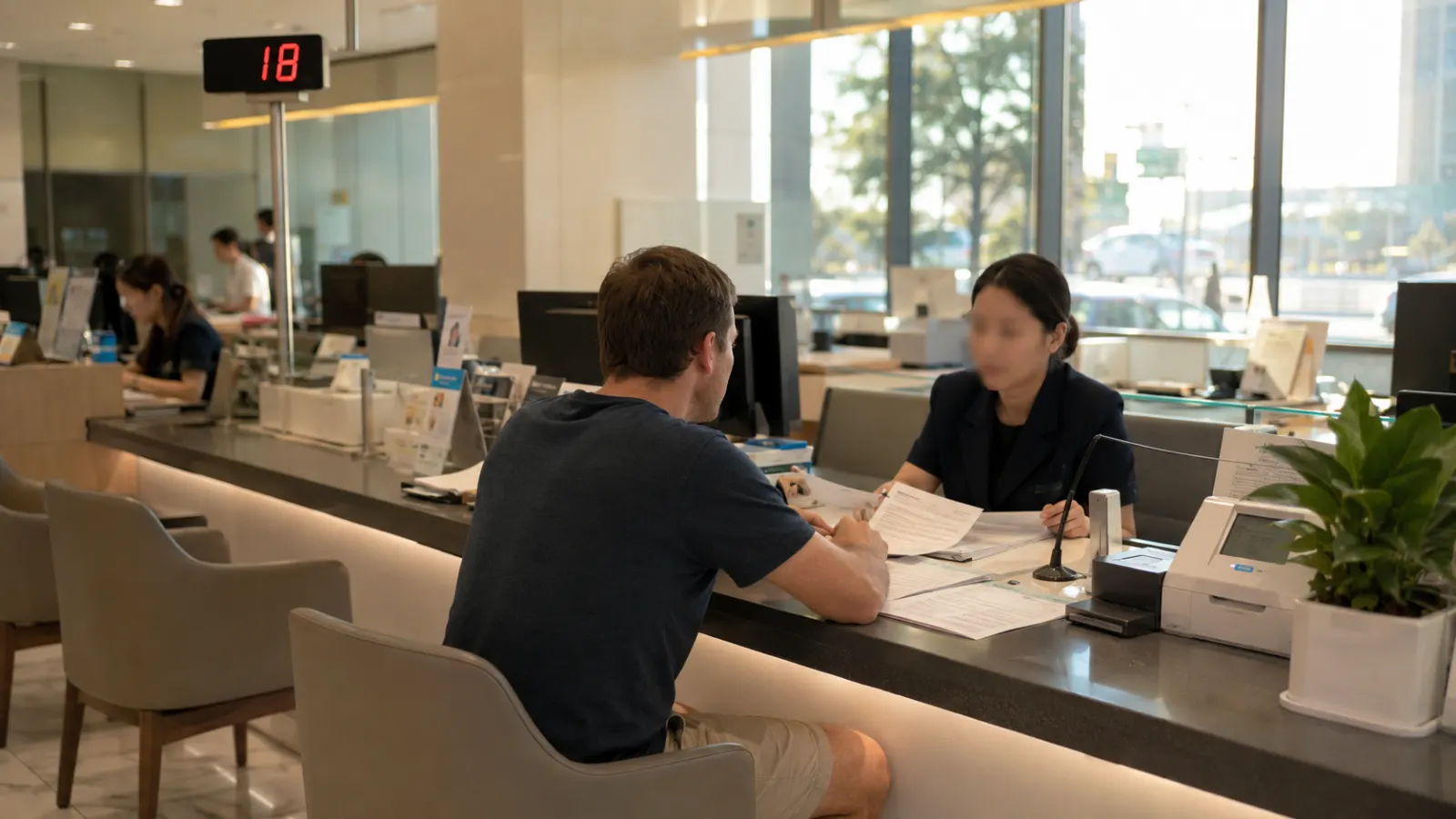
- Use the ARC application receipt to attempt a bank account at a branch known to work with foreigners
- Switch to a full postpaid phone plan once you have both the ARC and a bank account
This order isn't official policy anywhere — it's just the sequence that avoids the most dead ends.
Which Bank Should You Choose?
There's no single "best" bank for foreigners, but there are real differences worth knowing:
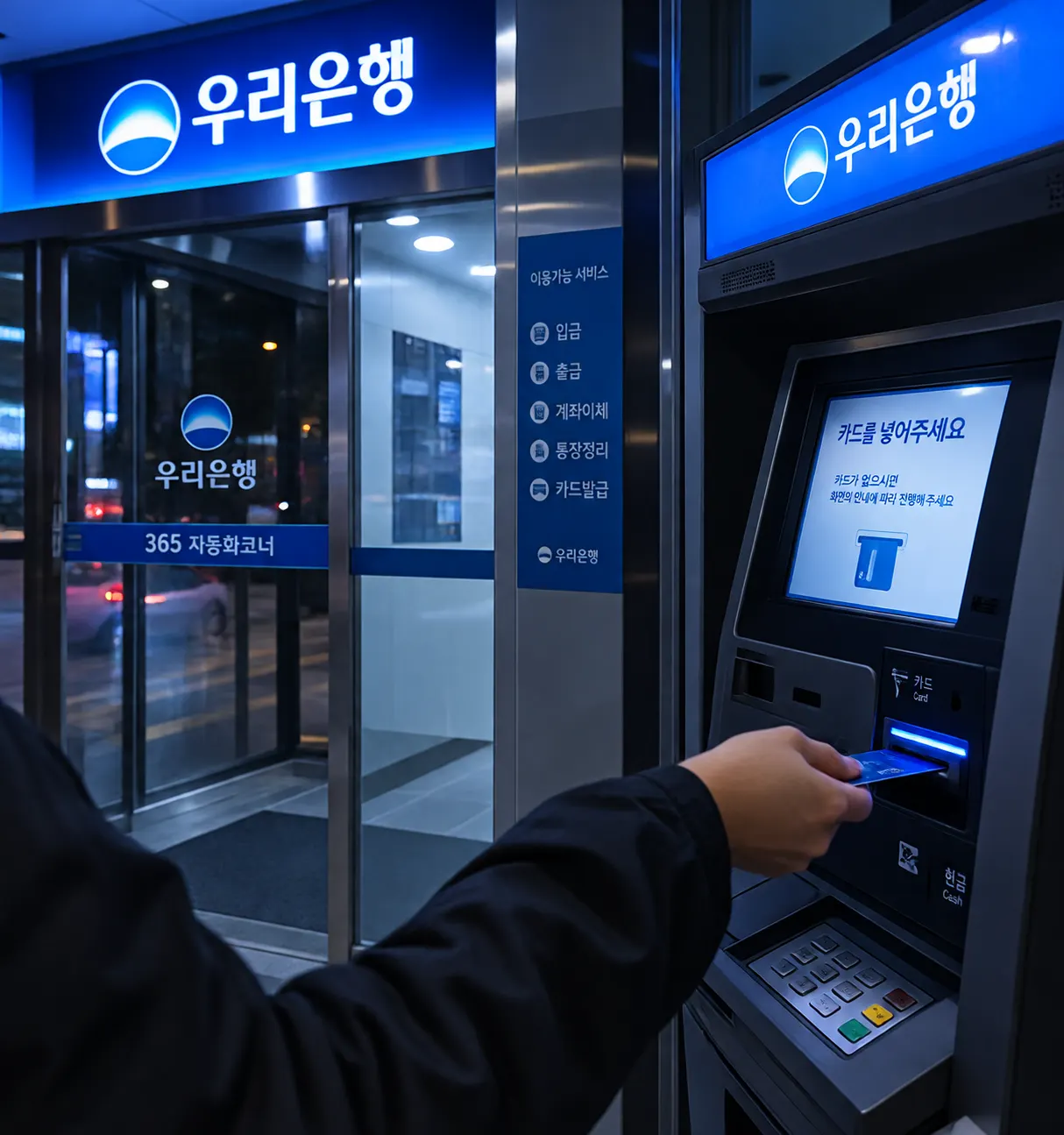
- KEB Hana Bank and Woori Bank are often mentioned as more foreigner-friendly, partly because of English-language banking apps and branches near international zones.
- Shinhan Bank has a reputation for being efficient but stricter about ARC requirements at some branches.
- KB Kookmin Bank has wide ATM coverage, which matters if you're outside Seoul.
Internet-only banks like *Toss Bank** and Kakao Bank have become popular because their apps are more usable in English and the account-opening process can sometimes be done partially online — but they still typically require an ARC and a Korean phone number, and approval isn't guaranteed for every foreigner.
If you're a student, ask your university first. Many have arrangements with a specific branch that processes account openings for international students in batches, which is faster than going in individually.
What Foreigners Often Misunderstand
A common assumption is that a debit card equals a functioning payment method in Korea the way it might elsewhere. In practice, many Korean online stores, subscription services, and even some in-person terminals are built around domestic card networks and local verification systems that don't always recognize foreign-issued cards smoothly, even once you have a Korean bank account. A Korean debit or check card solves most daily needs — buying at convenience stores, using T-money for transit, paying rent by transfer — but it doesn't automatically make every online Korean service work the way it would for a long-term resident with a full credit history.
Another misunderstanding: opening an account doesn't mean you're building credit. Korean credit scoring largely doesn't recognize foreign credit history, and a basic checking account has no bearing on your ability to get a credit card, which usually has separate income and residency requirements (often six months to a year of proven income in Korea).
Realistic Costs and Time Expectations
Opening the account itself is free at every major bank. What costs time, not money, is the sequence above — realistically budget:
- 1–2 hours for the branch visit itself, including waiting
- 2–4 weeks between immigration registration and receiving your physical ARC
- An extra visit if your first attempt is rejected due to incomplete address or employer documentation
If you're only in Korea short-term on a tourist visa, note that most retail banks will not open a standard account for you at all — banking access is built around residency status, not just physical presence.
Quick Summary
- You'll typically need a passport, ARC (or ARC receipt), Korean phone number, and proof of address to open a bank account in Korea.
- Some branches accept an ARC application receipt before the card is issued, but this varies by branch, not by written policy.
- KEB Hana, Woori, Shinhan, and KB Kookmin are common choices; Toss Bank and Kakao Bank offer more English-friendly apps but still need an ARC.
- Having a bank account doesn't build local credit or guarantee every Korean online payment system will work smoothly with your card.