How Korean Utility Bills Work: Electricity, Gas, Water, and Internet Explained
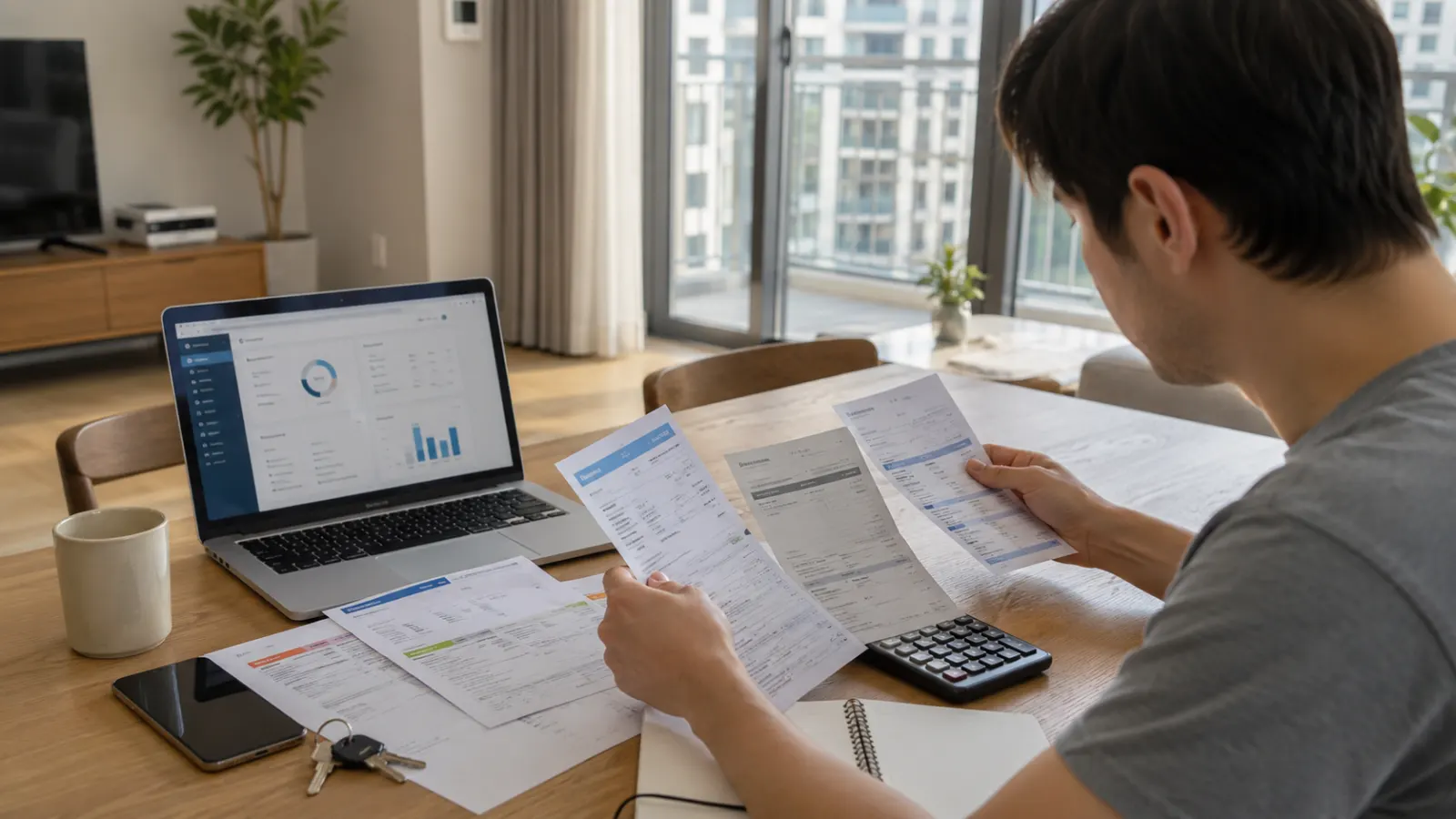
Moving into your first apartment in South Korea is exciting, but it also introduces a part of daily life that many foreigners know very little about: utility bills. Unlike hotels or short-term accommodations where everything is included, long-term housing usually requires you to manage several separate monthly expenses.
New residents are often surprised to receive multiple bills at different times of the month or discover that some costs are paid directly to the landlord while others must be paid to different companies. Understanding how the system works before you move in can help you avoid missed payments and unexpected expenses.
What is usually included in Korean housing?
The answer depends on where you live.
For serviced apartments and some short-term rentals, utilities may already be included in the monthly payment. However, if you rent an officetel, villa, or apartment for long-term living, you will usually pay at least some utility costs separately.
Common monthly expenses include:
- Electricity
- Gas
- Water
- Internet
- Building maintenance fees
- TV service (if applicable)
Always ask exactly what is included before signing a rental agreement.
Building maintenance fees are often misunderstood
One of the biggest surprises for foreigners is the monthly maintenance fee. Many people assume it is simply another word for rent, but it covers shared building expenses rather than the apartment itself. Depending on the building, maintenance fees may include:
- Elevator maintenance
- Hallway lighting
- Building cleaning
- Security services
- Parking management
- Shared heating systems
- Garbage disposal
- Building administration
Luxury officetels with gyms, security desks, or premium facilities generally charge higher maintenance fees than older residential buildings. A lower monthly rent does not always mean a lower total housing cost if maintenance fees are high.
Electricity bills can change dramatically by season
Electricity costs depend largely on your lifestyle. During spring and autumn, many residents pay relatively modest amounts because heating and cooling needs are limited. Summer can be very different.
Running air conditioning throughout the day can significantly increase your electricity bill, especially during heat waves. Winter electricity use may also increase if you use electric heaters, although many homes rely primarily on gas heating. If you work remotely from home, expect higher electricity usage than someone who spends most weekdays in an office.
Gas bills are usually highest during winter
Natural gas is commonly used for:
- Floor heating
- Hot water
- Cooking
Because Korean homes often use heated floors instead of central air heating, winter gas bills can become one of the largest household expenses. The exact amount depends on:
- Apartment size
- Outdoor temperature
- Building insulation
- Personal heating preferences
Many newcomers underestimate winter heating costs because they compare Korea to countries that primarily use electric heating.
Water bills are usually predictable
Compared with electricity and gas, water bills tend to be relatively stable. Unless you have unusually high water usage, monthly costs generally do not fluctuate dramatically. Some apartment complexes include water charges within the maintenance fee, while others bill them separately.
Ask your landlord or real estate agent which system applies before moving in.
Internet installation is often separate
High-speed internet is widely available throughout Korea, but it is not automatically included with every rental property. When moving into a new home, check:
- Whether internet is already installed.
- Which provider currently serves the building.
- Contract length requirements.
- Installation fees.
- Whether Wi-Fi equipment is included.
If the previous tenant already had internet service, activation may be much faster than arranging a completely new installation.
How are bills paid?
Many residents choose automatic payment from a Korean bank account. Other payment options may include:
- Banking apps
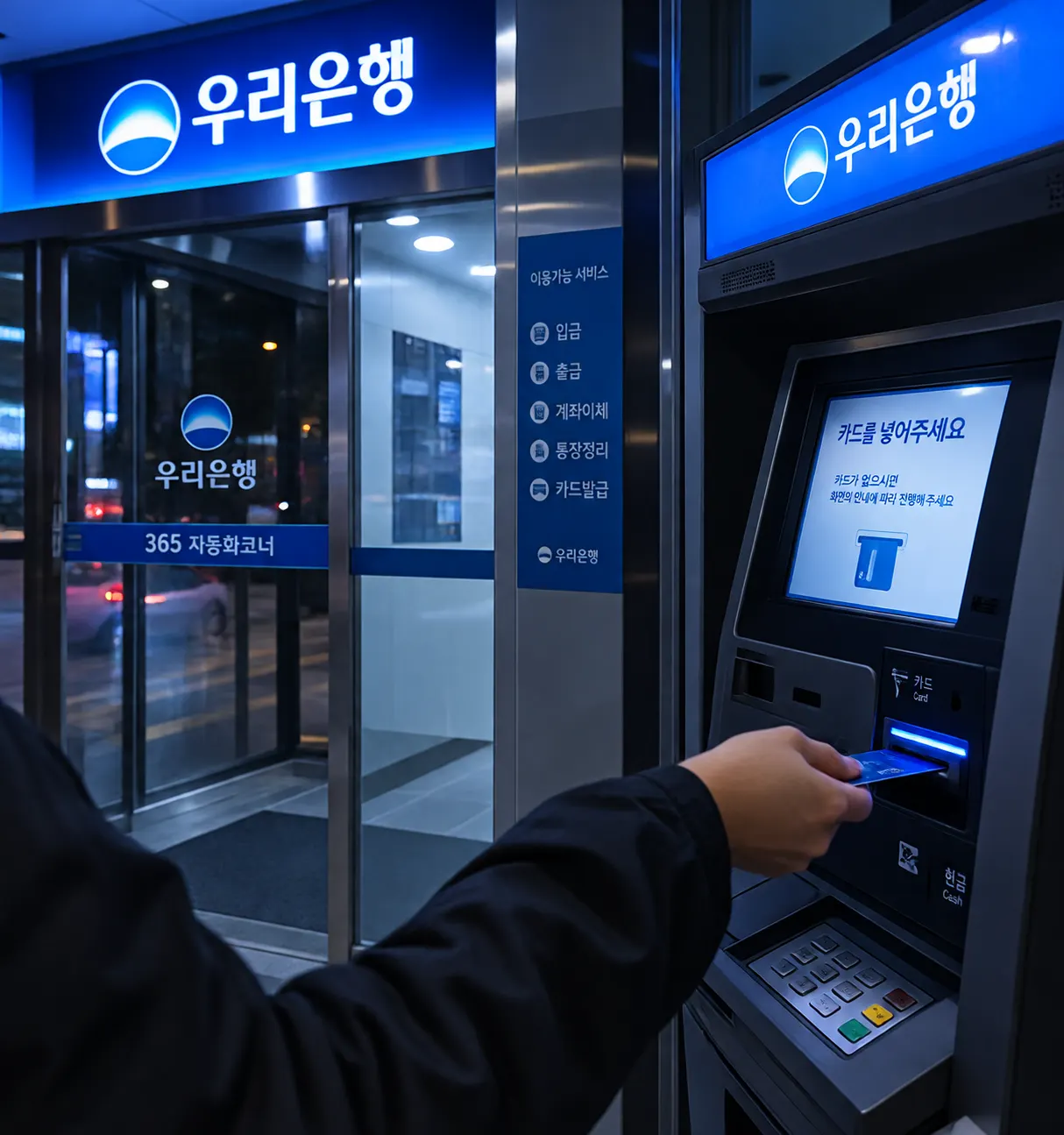
- ATM payment
- Convenience store payment for certain bills
- Online banking
- Credit card payment through utility websites
Automatic payment reduces the risk of missing due dates, particularly if you receive several different bills throughout the month.
Common mistakes foreigners make
Many first-time residents accidentally increase their monthly expenses by making simple assumptions. Common mistakes include:
- Assuming utilities are included in the rent.
- Forgetting about monthly maintenance fees.
- Running floor heating continuously during winter.
- Not asking how internet is connected before moving in.
- Ignoring due dates because bills arrive separately.
Taking ten minutes to understand the billing system before moving in can prevent much larger problems later.
Budgeting for monthly living costs
Instead of focusing only on rent, estimate your total monthly housing cost. A realistic housing budget should include:
- Monthly rent
- Maintenance fee
- Electricity
- Gas
- Water
- Internet
- Optional TV or streaming services
This gives a much more accurate picture of your actual cost of living in Korea.
Final Thoughts
Korea's utility system is efficient, but it can feel confusing when you're new to the country. Bills often arrive separately, payment methods differ, and maintenance fees may include services that are unfamiliar to many foreigners.
By understanding how electricity, gas, water, internet, and building fees work before signing a lease, you can budget more accurately, avoid unexpected costs, and settle into your new home with fewer surprises.
Quick Summary
- Utilities are not always included in long-term rental contracts.
- Building maintenance fees are separate from rent and cover shared facilities.
- Gas bills usually rise in winter, while electricity costs often increase during summer.
- Set up automatic payments whenever possible to avoid missing due dates.