How Korean Credit Card Benefits and Point Systems Actually Work
If you've gotten your first Korean credit card and noticed cashback percentages, point accumulation, and discount partnerships that seem more elaborate than what you're used to, you're not imagining it. Korean credit card benefits are genuinely more aggressive and varied than in many countries, but they also come with usage thresholds and category restrictions that can quietly cancel out the advertised benefit if you don't understand how the system actually calculates rewards.
Here's how Korean credit card benefit structures actually work, and where cardholders commonly leave value on the table.
Why Korean Card Benefits Look So Generous on Paper
Korean credit card companies compete heavily on cashback and discount partnerships, since the market is saturated with issuers offering similar core products, benefits become the primary differentiator.
- Category-specific discounts are extremely common, cards often advertise higher cashback or point rates for specific categories like public transit, convenience stores, streaming subscriptions, or specific delivery apps, rather than a flat rate across all spending.
- Partnership discounts (제휴 할인) with specific brands, coffee chains, movie theaters, telecom carriers, are a major selling point, and choosing a card that aligns with your actual regular spending habits matters more than picking the card with the flashiest headline cashback percentage.
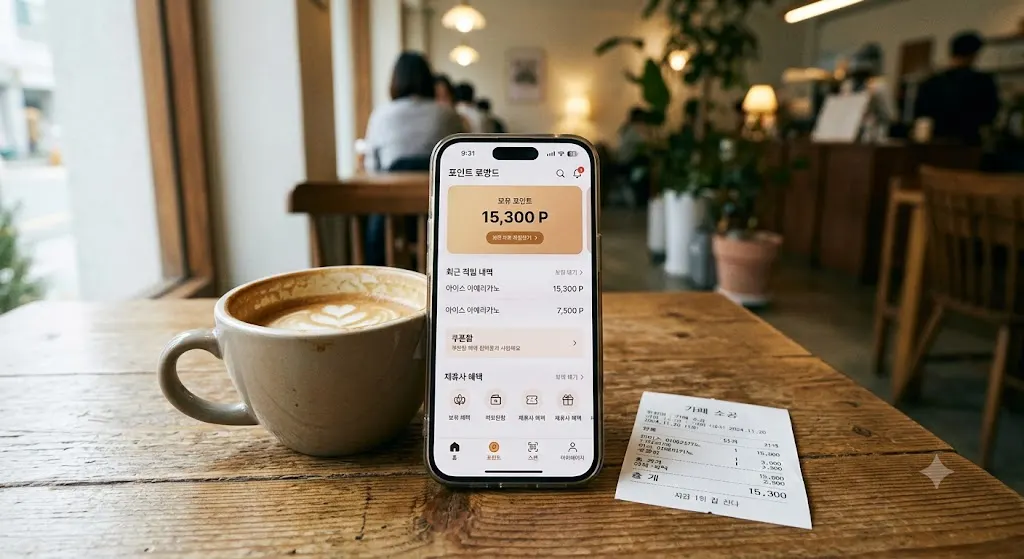
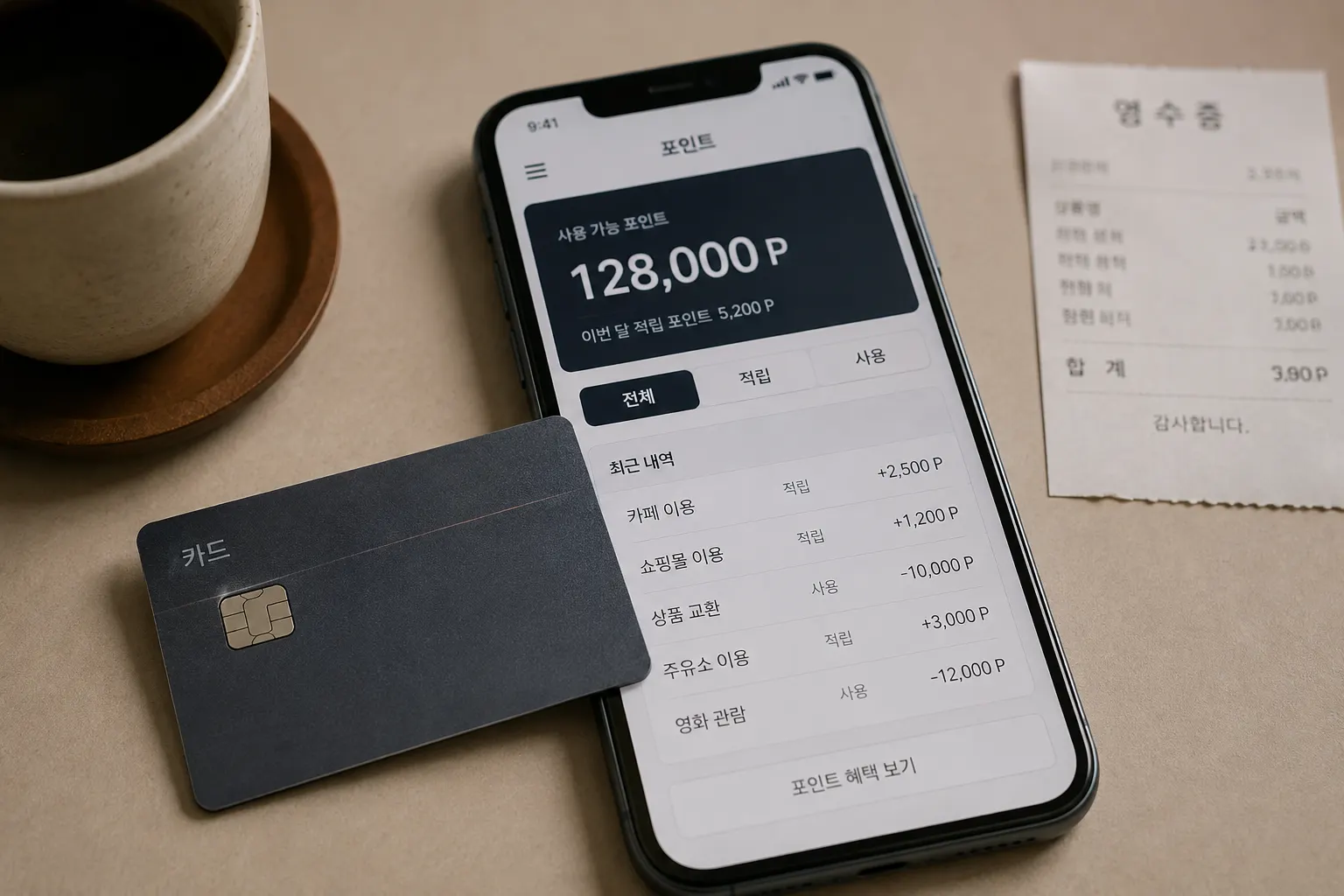
- Point accumulation systems (포인트), separate from direct cashback, function almost like a secondary currency at many retailers, some points convert to cash value, others only redeem for specific products or partner discounts.
The Catch: Minimum Spend Thresholds
This is where many cardholders, foreign and Korean alike, lose out on advertised benefits without realizing it.
- Most Korean credit cards require a minimum monthly spending threshold (often somewhere in the 300,000–700,000 KRW range depending on the card) before the advertised cashback or discount rate actually applies for that billing cycle.
- Falling short of the threshold in a given month typically means you either receive no bonus benefit for that cycle, or a significantly reduced rate, even though the card's marketing materials prominently feature the higher rate.
- Some benefits also cap the maximum monthly cashback or discount amount, meaning heavy spenders in a bonus category don't necessarily keep earning the advertised rate indefinitely within a single month.
A common misunderstanding among new cardholders is assuming the advertised rate applies universally and immediately. In practice, reading the specific terms, threshold requirements, category exclusions, monthly caps, matters considerably more with Korean cards than with a simpler flat-rate card structure common in some other countries.
Choosing a Card That Matches Your Actual Spending
Rather than choosing based on the single highest advertised percentage, matching a card to your genuine regular spending categories tends to produce better real-world value:
- Review your actual monthly spending pattern first, transit, groceries, dining, subscriptions, before comparing specific card benefit structures.
- Check whether you can realistically hit the minimum spend threshold through normal spending, artificially inflating spending just to hit a threshold generally isn't worth it unless you were going to spend that amount anyway.
- Compare a few cards from different issuers directly, since benefit structures change periodically and what's currently the strongest card for a specific category can shift.
- Consider annual fees, some higher-benefit cards carry a modest to significant annual fee, worth calculating whether the benefit value realistically exceeds the fee given your actual usage.
Eligibility for Foreign Cardholders
Getting approved for a Korean credit card as a foreigner generally requires the same baseline as building general credit history, roughly six months to a year of documented Korean income, a valid ARC with sufficient visa validity remaining, and often an existing relationship with the issuing bank through a checking account. Once approved, foreign cardholders access the same benefit structures as Korean cardholders, there's no separate, reduced benefit tier specifically for foreign card ownership.
Common Mistakes Foreign Cardholders Make
- Choosing a card based on a single attractive advertised percentage without checking the minimum spend threshold or category restrictions that determine whether that rate actually applies to your spending pattern.
- Not tracking monthly spending against the threshold, missing the benefit some months without realizing it, checking your statement's benefit summary section clarifies whether you actually received the advertised rate.
- Ignoring point expiration policies. Some point systems expire unused points after a set period, letting points accumulate without ever redeeming them can mean losing value entirely.
- Applying for multiple cards simultaneously without a clear strategy, multiple card applications in a short period can affect your credit profile, worth being deliberate about which card actually fits your spending rather than applying broadly.
Quick Summary
- Korean credit cards often advertise strong category-specific cashback or discounts, but these typically require hitting a minimum monthly spending threshold to actually apply.
- Matching a card to your genuine regular spending categories, rather than chasing the single highest advertised rate, tends to produce better real-world value.
- Foreign cardholders access the same benefit structures as Korean cardholders once approved, eligibility generally requires six months to a year of documented Korean income and an existing bank relationship.
- Tracking whether you're actually hitting benefit thresholds each month, and understanding point expiration policies, helps avoid quietly losing value on a card that looks generous on paper.