How to Check Your Credit Score in Korea as a Foreigner
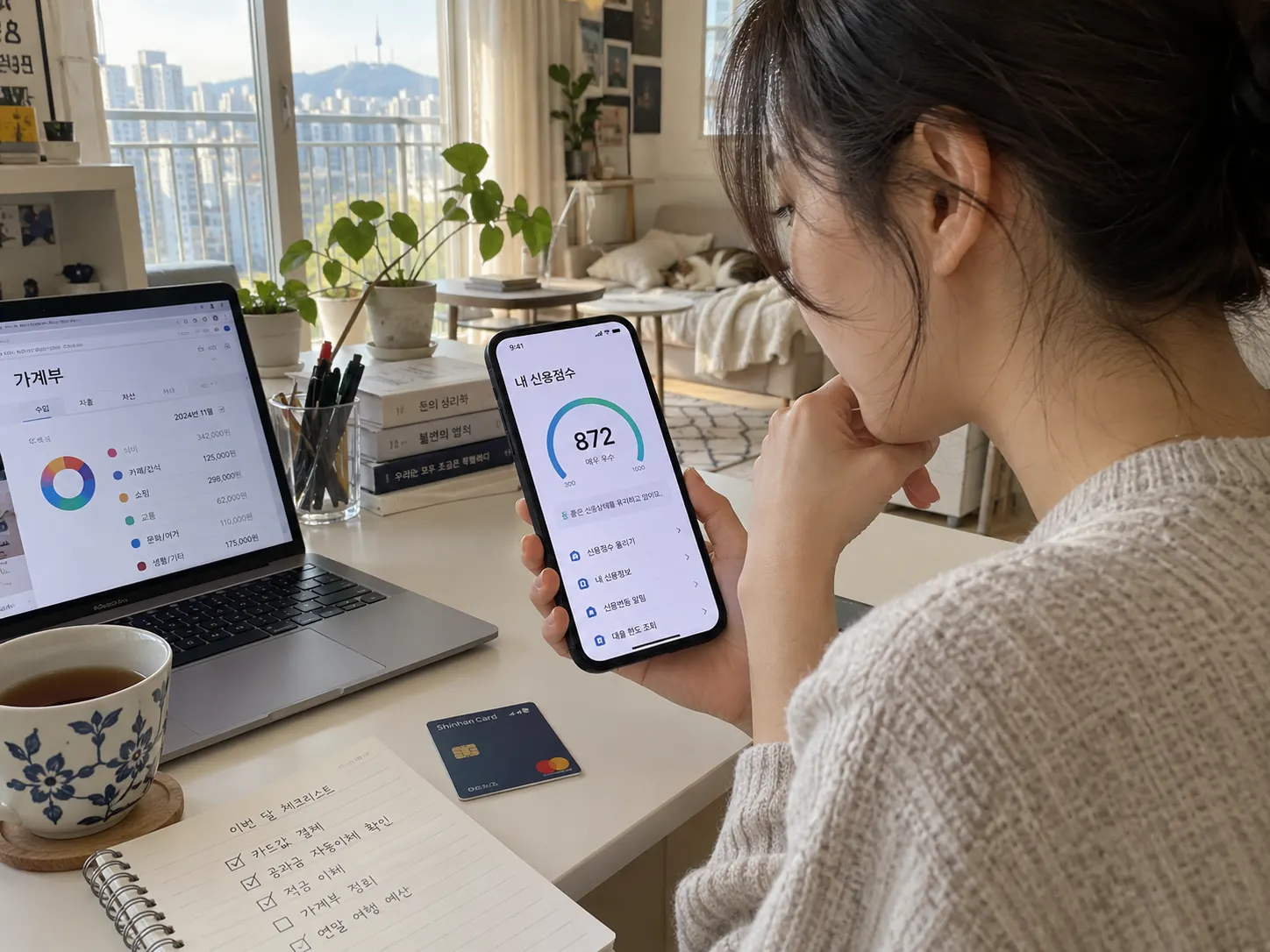
If a Korean bank has told you your credit profile is "thin," or a card application came back declined with no clear reason, you probably want to see what the credit bureaus see. Checking your credit score in Korea as a foreigner is usually free, and checking your own score does not lower it. Most people do it in under ten minutes through a bank app, Toss, or one of the two main bureaus.
Here is how the system works, how to look yourself up, and what newcomers usually find.
The Quick Answer: Where to Check
You can usually view your score through any of these:
- A major bank's mobile app (many include a "My Credit" section)
- Toss or Kakao Pay, which pull data from the bureaus
- The websites or apps of the two main credit bureaus, NICE and KCB
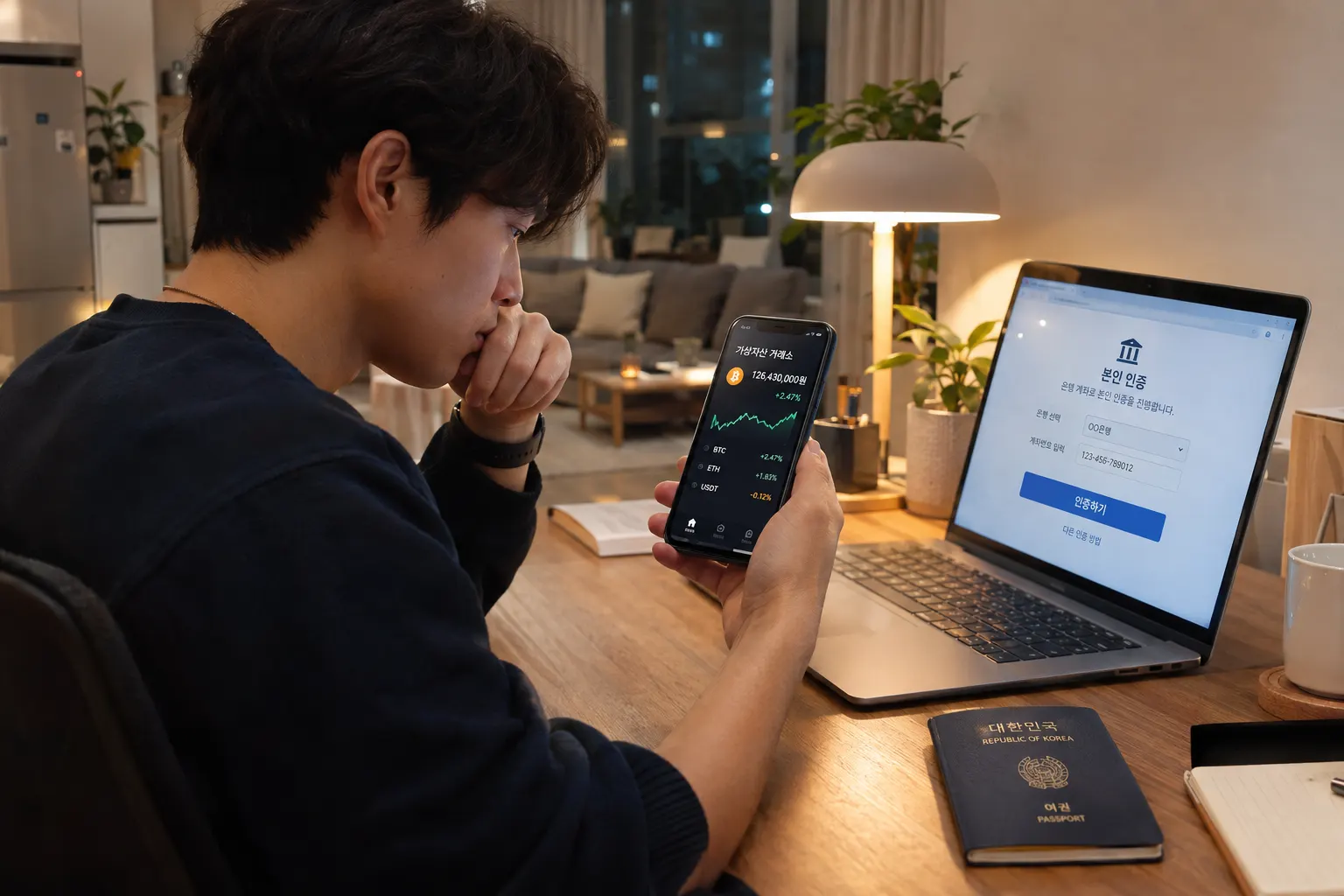
All of them require identity verification, typically a Korean phone number registered under your own name plus your ARC details. If you do not have that yet, you will be stopped at the login step, which is why the ARC, phone plan, and bank account usually come first.
How the Korean Score Works
Korea moved from a 1-to-10 grade system to a 1,000-point score in 2021, and each bureau calculates its own number. Your NICE score and KCB score can differ by a few dozen points, which is normal and not a sign of an error.
The inputs are familiar if you have seen credit scoring elsewhere:
- Repayment history on cards, loans, and some bills
- Current debt level compared with your income and limits
- Length of your credit history in Korea
- The mix of credit types you use
- Recent applications for new credit
The important point for newcomers is that none of your home-country history appears here. Korean bureaus do not receive foreign credit files, so a decade of perfect credit abroad does not show up.

Step-by-Step: Checking Your Score
- Confirm that your phone plan is registered under your own name and tied to your ARC.
- Choose an app or site: your bank's app is the simplest first option, since you already have an account there.
- Complete identity verification, usually through PASS or a similar authentication method.
- Agree to the credit information consent screens, which are in Korean, so use a translation app if needed.
- Open your score and, if offered, the detailed report showing accounts, balances, and any overdue items.
Some channels limit how often you can view your score for free in a given period, so check the screen before assuming unlimited access.
What Newcomers Usually See
In your first year, expect one of three situations:
- No score yet. If you have had no card, loan, or reportable bills, there may be too little data to calculate anything.
- A middling score from a thin file. A few months of check-card use and on-time bill payment can produce a number, but not a high one.
- A surprisingly low score caused by one mistake. A forgotten phone bill or a missed payment on an installment purchase can show up fast, because even small late payments are reported.
A thin file is not a penalty in itself, but lenders treat it cautiously. The fix is boring and reliable: keep accounts open, pay everything on time, and avoid applying for several credit products at once.
Common Mistakes
- Confusing a soft check with a hard inquiry. Looking at your own score does not hurt it, but a formal application for a card or loan is a different kind of inquiry that lenders can see.
- Ignoring small unpaid amounts. A short phone or utility arrears left unresolved is one of the most common reasons newcomers see a score drop.
- Assuming one bureau tells the whole story. Checking both NICE and KCB occasionally gives you a more complete picture.
- Waiting until a loan application to look. Check at least a few months earlier so you have time to fix anything unexpected.
Quick Summary
- Checking your own credit score in Korea is generally free and does not reduce your score, and you can usually do it in a bank app, Toss, Kakao Pay, or the NICE and KCB bureaus.
- You will need a Korean phone number in your own name and ARC-based verification, so complete those steps before trying.
- Korea uses a 1,000-point scale, each bureau calculates its own score, and foreign credit history does not carry over.
- Most newcomers see no score or a middling one, and consistent on-time payments are the fastest way to improve it.