Korean Utility Bills Explained: Electricity, Gas, Water, and Final Payments When Moving
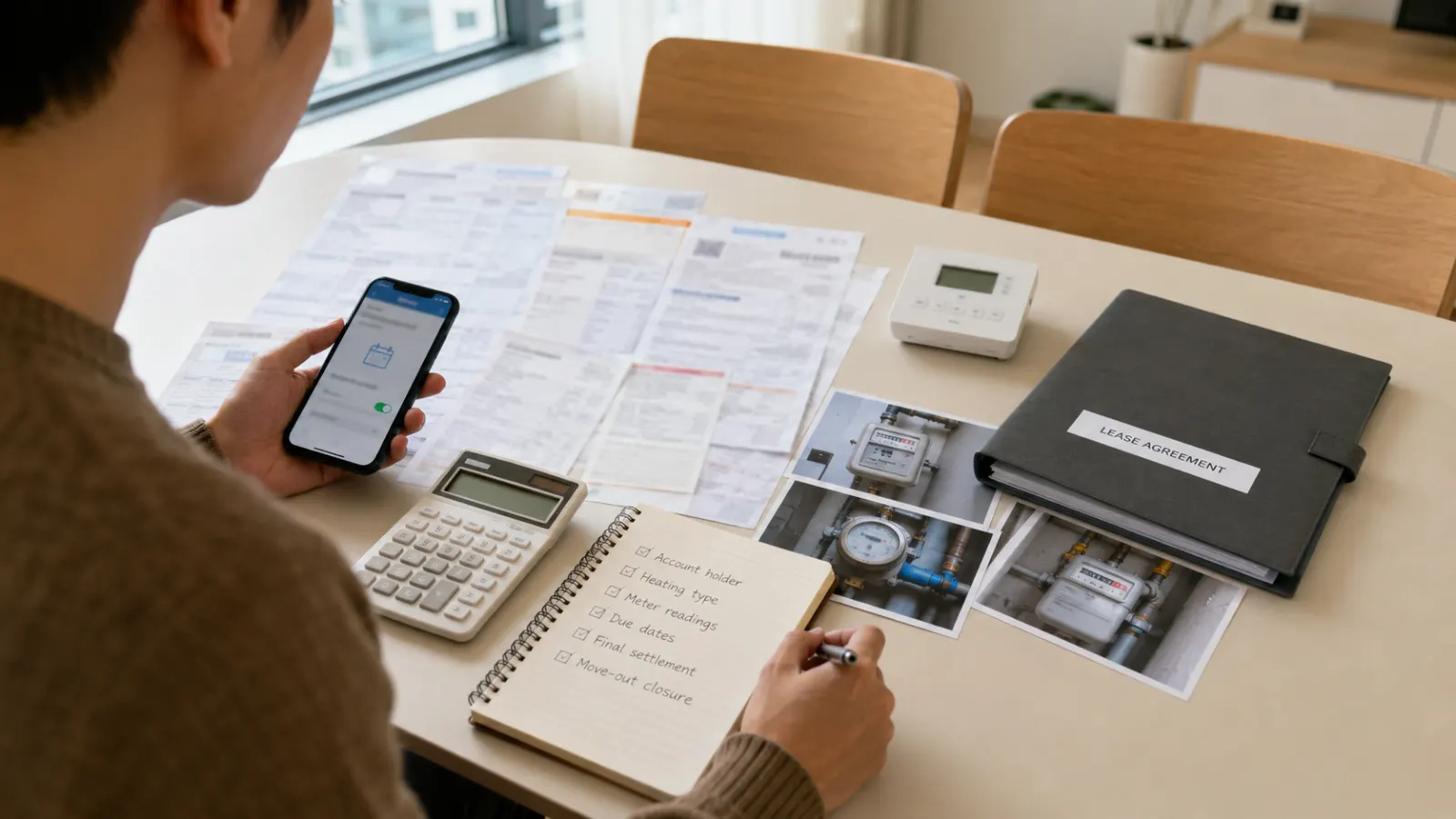
Rent and management fees are only part of the monthly housing cost in Korea. Electricity, gas, water, heating, internet, and other utilities may be included, billed separately, or divided between a private bill and a building statement.
The payment system depends on the property. An apartment, villa, officetel, dormitory, and one-room building can all handle utilities differently. Before moving in, identify which services are individually registered, which are managed by the building, and who is responsible for the final bill when you leave.
Start with the lease and recent bills
Ask the landlord or real estate agent for a written explanation of each utility. Useful questions include:
- Is electricity billed directly?
- Is gas individually metered?
- Is water included in management fees?
- How is heating charged?
- Is hot water separate?
- Is internet included?
- Which bills are in the landlord’s name?
- Which accounts must the tenant open?
- How are final charges settled?
- Can I see previous winter and summer bills?
An actual bill is more useful than a general statement that utilities are inexpensive. Season, insulation, room size, appliance use, and heating method can create large differences.
Electricity
Electricity may be billed directly by the electricity provider or included in a building management statement. A direct bill may be delivered by mail, text, email, mobile application, or another registered method. Electricity usage can increase because of:
- Air conditioning
- Electric heating
- Clothes dryer
- Dehumidifier
- Cooking appliances
- Gaming computer
- Water heater
- Large refrigerator
- Poorly maintained equipment
Do not compare your bill only with another resident’s. A person living in the same building may have a different schedule, unit exposure, or appliance setup. Check the meter reading when moving in if the meter is accessible and it is safe to do so.
Gas
Many Korean homes use gas for an individual boiler, hot water, or cooking. A gas account may need to be opened, transferred, inspected, or closed when the resident moves. Ask whether a technician visit is required.
Do not operate a boiler, valve, or gas appliance that you do not understand. If you smell gas:
- Avoid flames and sparks
- Do not operate electrical switches unnecessarily
- Ventilate when safe
- Leave the area when needed
- Contact the appropriate emergency or gas service
Do not attempt to repair a gas line yourself.
Heating systems
Korean homes can use several heating arrangements. Common examples include:
- Individual gas boiler
- District heating
- Central building heating
- Electric heating
- Included heating with limits
The billing method and tenant control differ. Ask:
- Can the resident control the temperature?
- Is the thermostat for room heat, hot water, or both?
- Is heating charged by usage?
- Is there a basic monthly charge?
- When does central heating operate?
- What was the previous winter’s highest bill?
- Is the home well insulated?
- Are pipes vulnerable to freezing?
Do not turn off all heating during severe cold without understanding the risk to water pipes and the boiler.
Water
Water may be:
- Included in rent
- Included in management fees
- Billed by individual meter
- Divided among residents
- Charged as a fixed amount
Ask whether hot water is included with water or linked to gas or heating. A sudden increase can indicate a leak, running toilet, faulty appliance, or meter issue. Report visible leaks quickly. Waiting can increase the bill and damage the property.
Management bills
A building management statement can combine private and shared charges. It may include:
- Unit electricity
- Common-area electricity
- Water
- Heating
- Hot water
- Cleaning
- Security
- Elevator
- Parking
- Internet
- Television
- Building maintenance
Read the full statement rather than paying only the total. Compare each category with the previous month. Ask the management office when a charge is unfamiliar or unexpectedly high.
Setting up automatic payment
Utilities may support payment through:
- Bank transfer
- Automatic bank debit
- Credit card
- Mobile banking
- Convenience store
- Provider application
- Payment website
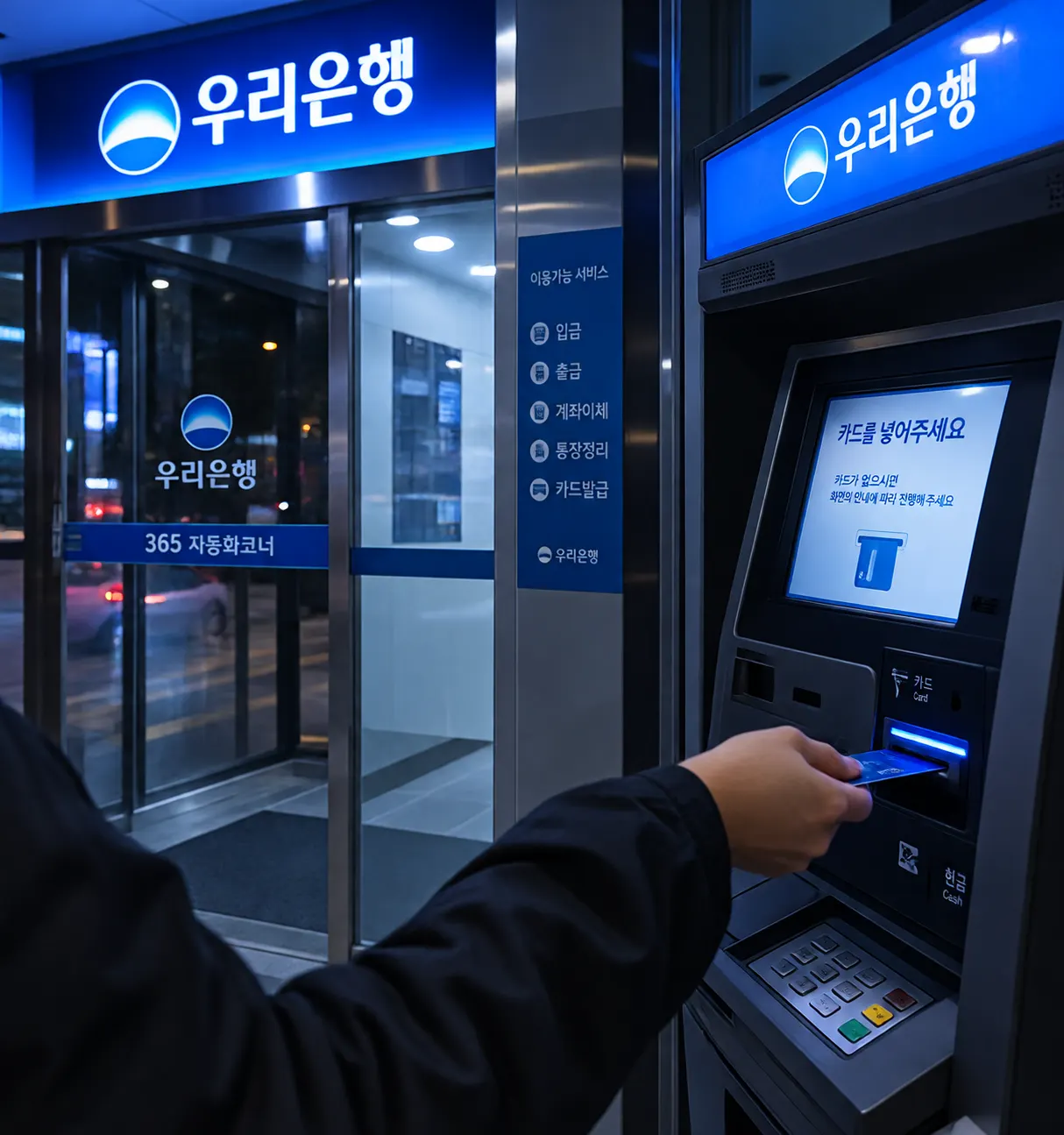
Automatic payment can reduce missed bills, but it creates a risk when moving or changing accounts. Keep a list of every automatic payment and the account or card connected to it. After moving, confirm that the old utility account and automatic debit are both closed or updated.
Do not assume the provider automatically knows you left.
Bills in the landlord’s name
Some services remain in the property owner’s name while the tenant pays the cost. This arrangement can work, but the tenant should receive clear evidence of the bill. Ask for:
- Original statement
- Billing period
- Meter reading
- Payment deadline
- Account information
- Confirmation of payment
Do not pay an unexplained round amount every month without knowing what it covers. The lease should clarify whether the tenant pays actual usage or a fixed fee.
Shared housing
In a share house, goshiwon, dormitory, or company housing, utilities may be included or divided among residents. Clarify:
- Equal split or usage-based split
- Air-conditioning limits
- Heating rules
- Laundry charges
- Shared appliance use
- Extra fee for high consumption
- Payment date
- What happens when a roommate moves
A person who is away for most of the month may still be responsible for a fixed share under the agreement. Agree on the method before conflict develops.
Late payment
Ignoring a bill can lead to fees, collection messages, service interruption, or a dispute with the landlord. When you cannot pay on time, contact the provider or responsible manager rather than waiting. Verify suspicious payment messages through an official channel.
Do not send money through an unfamiliar link merely because a text claims that electricity or gas will be disconnected immediately.
Moving in
Before or immediately after moving:
- Photograph accessible meter readings.
- Confirm the previous resident’s account has ended.
- Register required services.
- Check billing names and phone numbers.
- Test hot water and heating.
- Learn the thermostat.
- Find emergency contacts.
- Save the first bill.
- Set payment reminders.
- Ask about building notices.
Report a service that is still registered to the previous tenant. Do not assume the landlord has completed every transfer.
Moving out
Utility settlement should be part of the moving plan. Contact providers early and ask:
- Final reading date
- Account closing process
- Technician visit
- Final payment
- Refund or deposit
- Equipment return
- Proof of closure
- New address for final bills
Photograph meters on the final day when appropriate. Keep enough money in the Korean bank account to cover charges that appear after departure. Do not close the bank account or cancel the phone number until you understand how the final bill will be received and paid.
Disputes over the final bill
When a landlord or building manager requests money after move-out, ask for the bill and calculation. Compare:
- Billing period
- Move-out date
- Meter reading
- Previous balance
- Late fee
- Shared charges
- Amount already paid
The tenant should not automatically accept charges that belong to a later occupant. Keep the lease, move-in and move-out photos, payment records, and messages.
Reducing usage without damaging the home
Practical measures include:
- Using reasonable thermostat settings
- Closing windows while heating or cooling
- Cleaning air-conditioner filters
- Turning off unused appliances
- Using a dehumidifier only when needed
- Checking for leaks
- Closing curtains during extreme weather
- Ventilating briefly and effectively
- Following boiler freeze-prevention guidance
Do not sacrifice safety or allow mold, frozen pipes, or dangerous indoor temperatures to avoid a bill.
Quick Summary
- Utility billing varies by building, so confirm each service before signing or moving in.
- Heating type has a major effect on winter costs and tenant control.
- Keep meter photos, bills, and payment evidence when moving.
- Close or transfer both the service account and its automatic payment arrangement.