How to Return or Exchange Purchases in Korea: Consumer Rights Explained
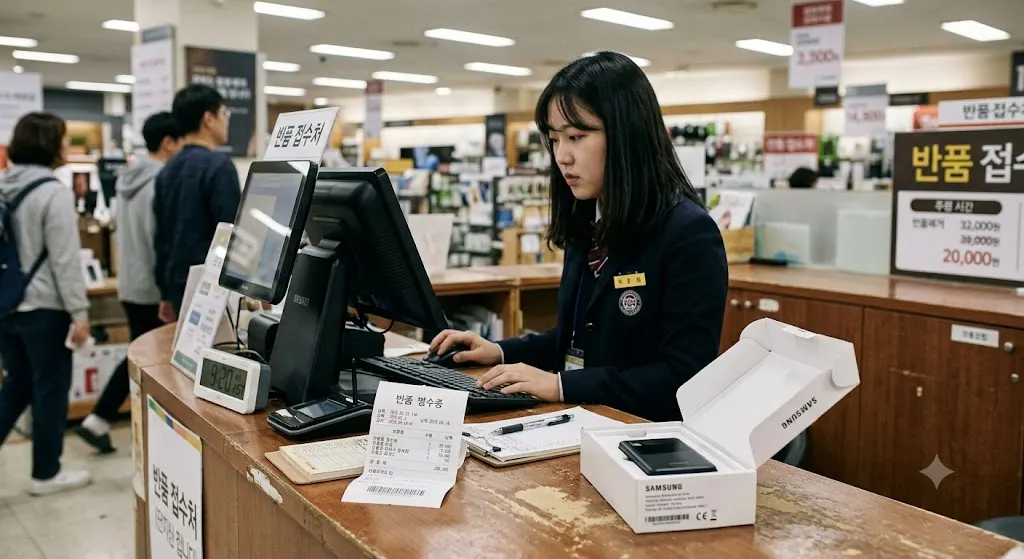
If you've bought something in Korea and later wanted to return or exchange it, only to find the store's policy less flexible or more specifically time-limited than what you're used to, Korean return and exchange norms follow specific legal minimums combined with individual retailer policies that can vary meaningfully, understanding both the legal baseline and practical store-level norms helps you know what you're actually entitled to versus what depends purely on a specific retailer's discretion.
Here's how returns and exchanges actually work in Korea, and what your actual rights are as a consumer.
The Legal Baseline vs. Store Policy
- Korean consumer protection law establishes certain baseline return rights, particularly for online and certain distance purchases, generally allowing a cooling-off period return within a specified number of days after receiving the item, for defective or misrepresented items specifically, additional protections apply regardless of a store's stated policy.
- In-person retail purchases generally have more retailer discretion over return and exchange policy compared to online purchases, a physical store isn't always legally obligated to accept a return for a simple change of mind the way online cooling-off period protections might apply, understanding this distinction matters for realistic expectations.
- Receipt and packaging requirements, most retailers require the original receipt and, for many categories, original packaging and unused condition, understanding a specific store's stated requirements before assuming a return will be accepted avoids a frustrating in-store rejection.
Online Shopping Return Rights
- A standard cooling-off period, generally around a specified number of days after delivery, applies to most online purchases under Korean consumer protection regulations, allowing a return for a change of mind, not just defective items, within this window, a meaningful protection worth understanding before assuming online purchases are final.
- Specific exceptions exist, certain categories, perishable goods, customized items, or products where the packaging has been opened in a way that affects resale value (some cosmetics or personal care items, for example), sometimes have more limited or no cooling-off return rights, checking the specific exclusion categories relevant to your purchase before assuming universal return rights applies.
- The return process for online purchases generally involves initiating the return through the specific platform or retailer's return request system, understanding the specific platform's process, whether Coupang, a specific brand's own site, or another platform, matters since exact steps vary.
What Happens With Defective Products
- Defective product returns and exchanges are generally required by Korean consumer protection standards regardless of a retailer's general return policy, a genuinely defective item entitles you to a repair, replacement, or refund, understanding this baseline right matters particularly if a retailer initially pushes back on a defective item return.
- Documentation helps significantly, photos of the defect, keeping the original packaging when reasonably possible, and clear communication about the specific issue strengthen your position if a retailer is initially reluctant to process a defective item return or exchange.
- Electronics and appliances generally come with a manufacturer warranty period separate from the retailer's own return policy, understanding whether an issue falls under warranty repair versus a straightforward retailer return matters for routing your specific situation correctly.
Practical Tips for Foreign Shoppers
- Keep receipts and original packaging for any purchase where you might reasonably want to return or exchange it, Korean retailers generally expect this documentation more consistently than some other countries' more flexible return norms might lead you to assume.
- Ask about the specific store's return policy at time of purchase if you're uncertain, particularly for larger purchases, rather than assuming a universal standard policy applies across all Korean retailers.
- Understand the distinction between change-of-mind returns and defective product returns, your rights and the retailer's obligations differ meaningfully between these two categories, knowing which applies to your specific situation helps you advocate for your actual rights more effectively.
- Escalate through the Korea Consumer Agency if a legitimate dispute isn't resolved directly with a retailer, as covered in how Korean consumer protection laws help foreign shoppers, this formal channel exists specifically for situations where direct resolution attempts haven't worked.
Common Misunderstandings
A frequent assumption among foreign shoppers, particularly those from countries with more universally flexible in-person retail return policies, is expecting the same no-questions-asked return flexibility at Korean physical retail stores. In practice, Korean in-person retail return policy varies more by specific retailer, some are quite flexible, others considerably more restrictive, understanding this variation, and specifically checking policy before purchase for anything you're uncertain about keeping, avoids a disappointing surprise later.
Quick Summary
- Korean consumer protection law establishes specific cooling-off period return rights for most online purchases, though in-person retail return policy generally has more retailer-specific discretion and variation.
- Defective products carry stronger, legally-backed return and exchange rights regardless of a retailer's general policy, documentation of the defect strengthens your position if a retailer is initially reluctant.
- Keeping receipts and original packaging, and understanding a specific retailer's stated policy before purchase, helps you navigate returns more smoothly than assuming universal flexibility.
- The Korea Consumer Agency offers a formal escalation path for legitimate return or exchange disputes that aren't resolved through direct communication with a retailer.