How Korean Wire Transfers and Remittance Services Compare for Sending Money Home
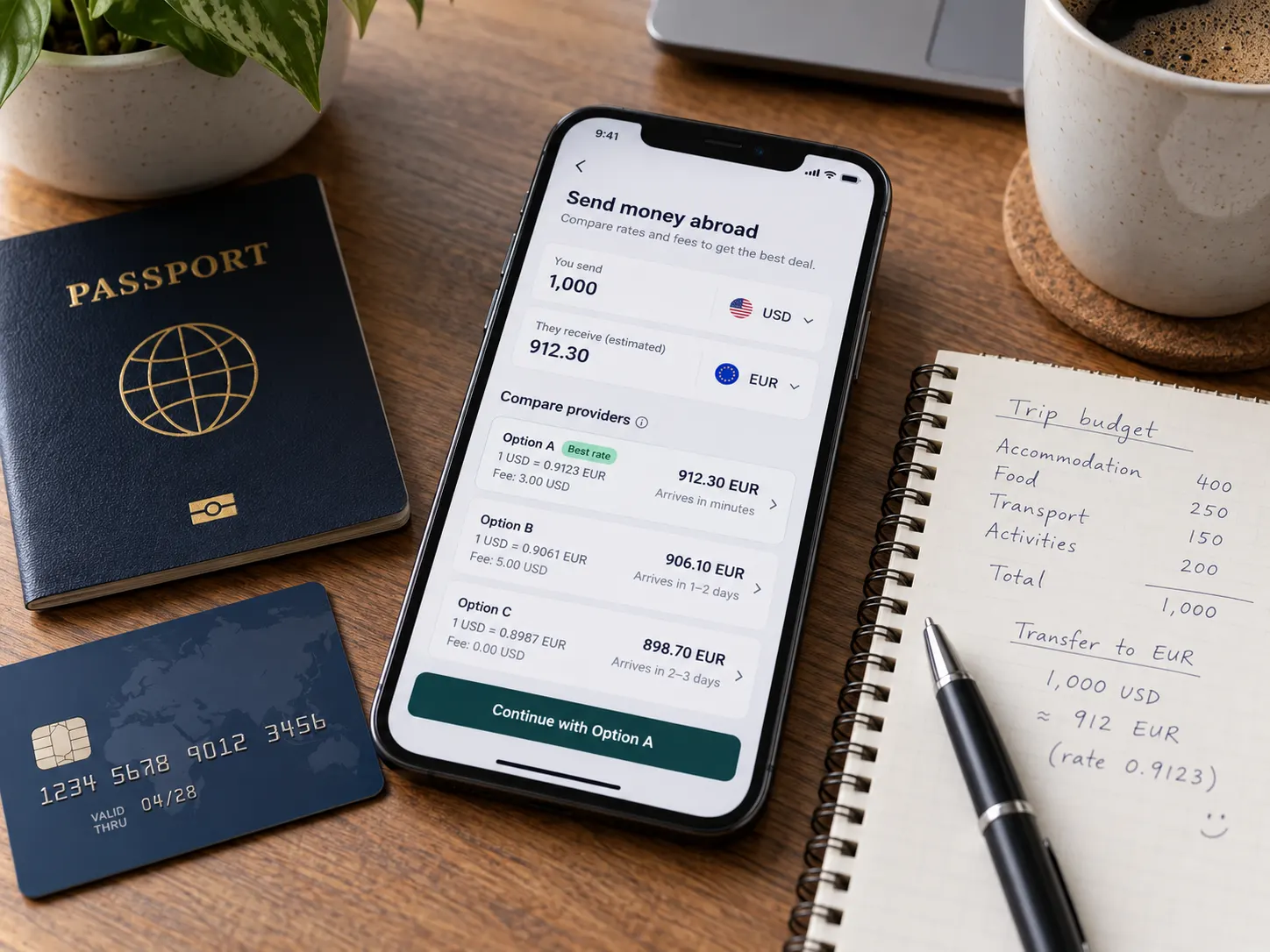
If you send money home regularly from Korea, the provider you choose can change how much your family actually receives by a noticeable amount. Sending money abroad from Korea works through bank wires, remittance apps, and licensed money transfer services, and the cheapest option depends on the amount and the destination country. The headline fee is rarely the full cost, because the exchange rate margin often matters more.
Here is how to compare options, what documents you need, and what to watch for.
The Quick Answer: Main Options
- Bank wire transfers through your Korean bank, which are reliable but often have flat fees plus a less favorable exchange rate.
- Remittance apps and licensed transfer services, which are often cheaper and faster for popular routes.
- Overseas remittance counters at convenience or specialty outlets, which can work well for smaller cash-oriented transfers in some corridors.
Availability varies by country, so check that your destination is supported before relying on any one service.
How to Compare the Real Cost
Compare the total amount received, not just the fee:
- Check the exchange rate offered and compare it to the mid-market rate
- Add any flat transfer fee and any receiving-bank fees
- Note the delivery time, which ranges from minutes to a few business days
- Compare the final amount that arrives in the destination currency
A service with a "zero fee" label may bury its margin in the rate, as touched on in the money transfer guide.
Documents and Verification
Most services require:
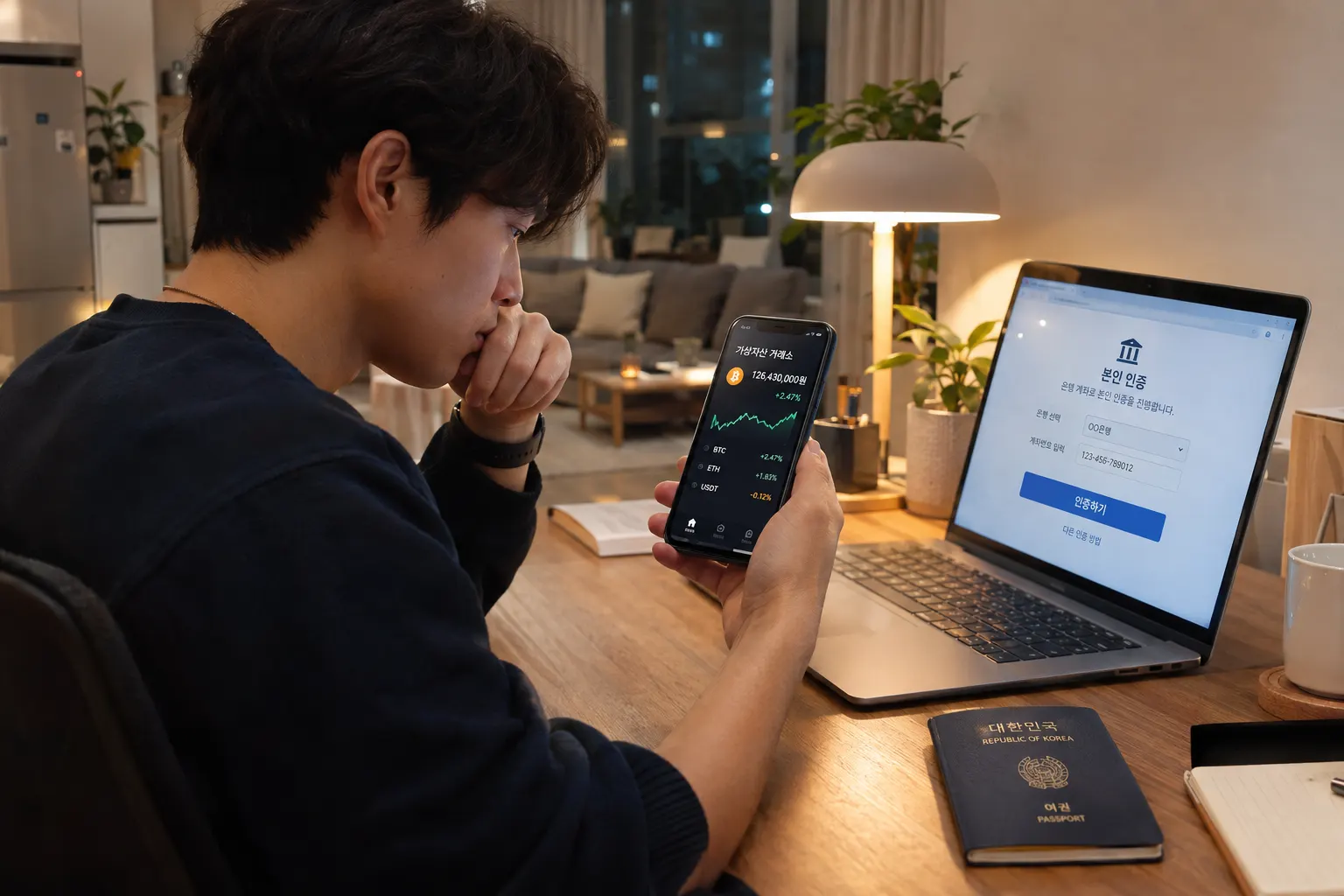
- ARC and passport
- A Korean bank account or card as the funding source
- Recipient details such as name, account number, and bank code
- A stated purpose for the transfer, which may be requested for larger amounts
For foreign workers sending salary, some providers request pay stubs or an employment certificate when amounts are large, because Korean foreign exchange rules require documentation above certain thresholds.
Limits and Reporting
Transfers face limits that differ by provider and by your resident status, and larger amounts trigger extra reporting. Limits can change, so confirm the current figures with your provider rather than relying on a fixed number. If you plan a large transfer, such as moving savings home when you leave Korea, speak to your bank in advance, since additional documentation may be required.
Choosing Based on Your Situation
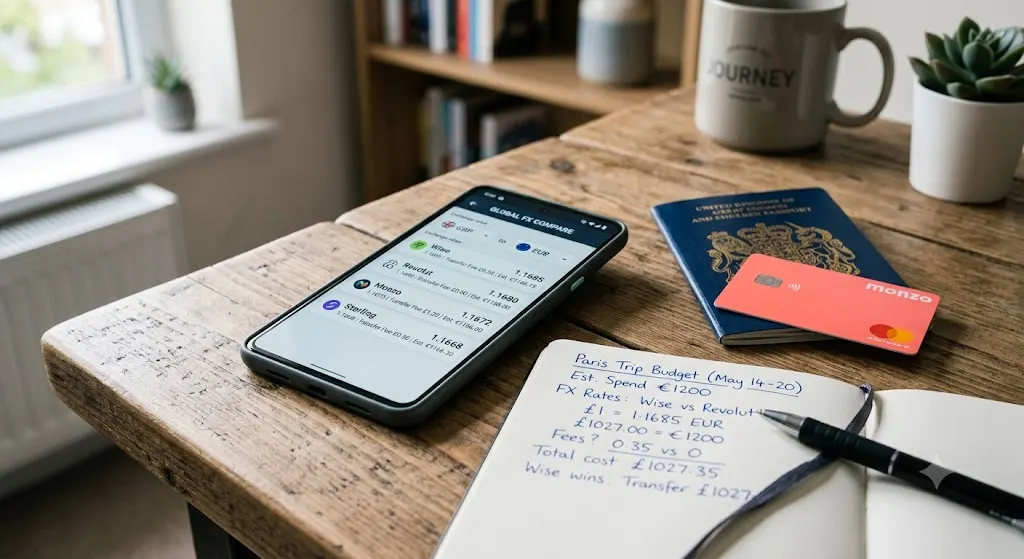
- Small, regular transfers: a low-fee app with a transparent rate usually works out cheaper over time.
- One large transfer: compare a bank's rate against specialist services, and ask about negotiated rates for large amounts.
- Cash pickup in the home country: check which services support pickup in your destination.
- Urgent transfers: compare delivery times, not just cost.
Common Mistakes
- Choosing by the fee alone. The exchange rate margin often costs more.
- Not checking that the service supports your destination. Coverage varies.
- Ignoring recipient detail accuracy. A wrong account number can delay or return the transfer.
- Splitting a large transfer into many small ones without checking limits and rules. It can cause scrutiny and extra fees.
Quick Summary
- Foreign residents can send money from Korea through bank wires, licensed remittance apps, and overseas remittance counters, and the cheapest choice varies by route and amount.
- Compare the final amount received, since exchange rate margins can matter more than the advertised fee.
- Expect ARC and bank account verification, and extra documentation for larger transfers under foreign exchange rules.
- Confirm current limits, delivery times, and destination support with your provider before sending.