How to Use Air Conditioning in Korea Without a Surprise Summer Electricity Bill
# How to Use Air Conditioning in Korea Without a Surprise Summer Electricity Bill
Summer in Korea can feel more intense than many visitors expect. The temperature is only part of the problem. Humidity, dense apartment buildings, warm nights, and long indoor hours can make even a normal July or August day feel exhausting.
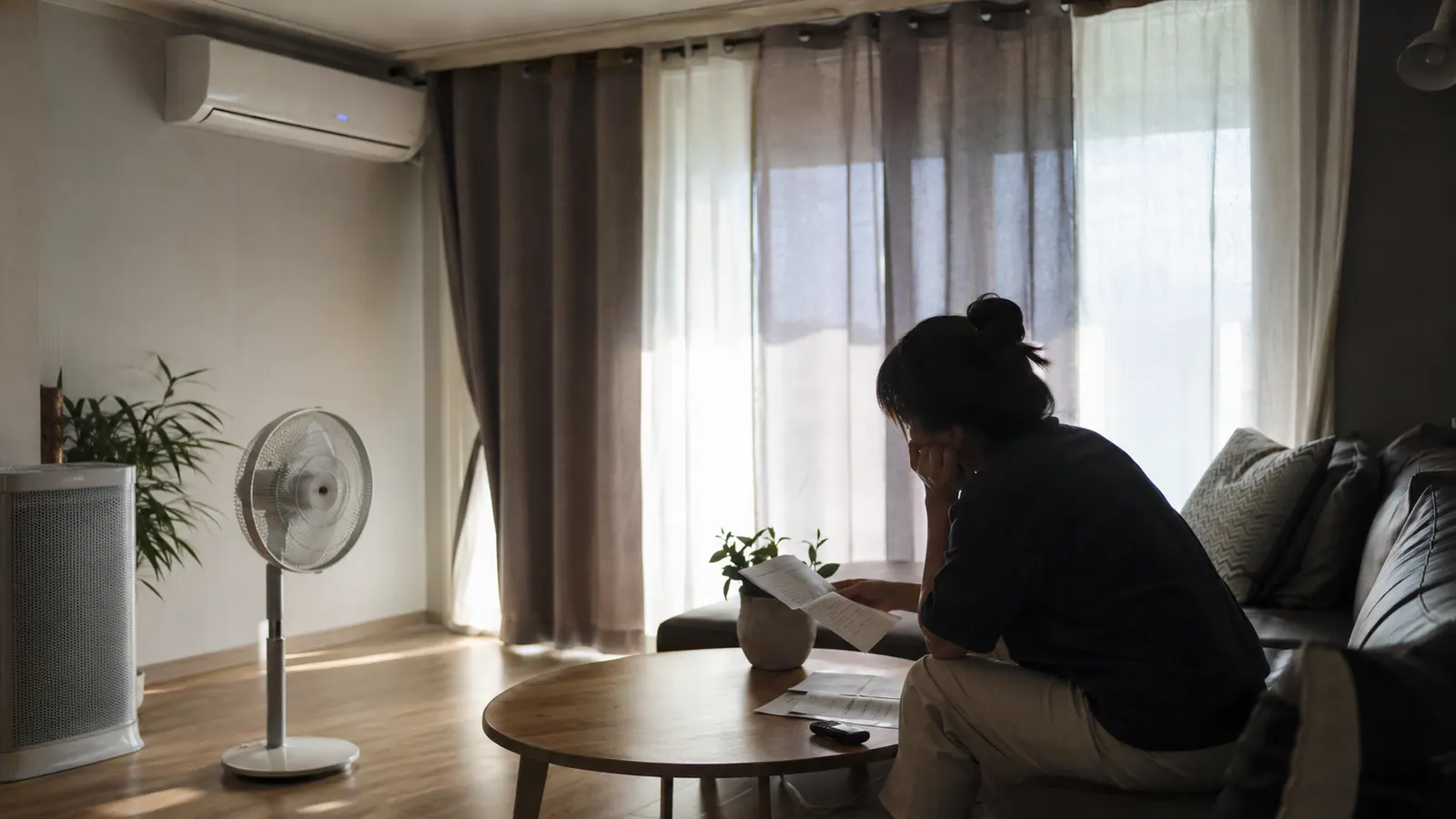
For international residents, students, digital nomads, and short-term visitors, one of the biggest surprises is not the heat itself. It is the electricity bill that arrives after weeks of heavy air conditioner use.
Korea uses a progressive residential electricity pricing system, which means the more electricity a household uses in a month, the higher the price per unit can become. During summer, the thresholds are adjusted, but heavy air conditioner use can still push a household into a more expensive range.
Why Air Conditioning Feels Different in Korea
Many homes in Korea use wall-mounted air conditioners rather than central cooling. Apartments may cool one main room well, but bedrooms, kitchens, and hallways can stay warm unless doors are managed carefully.
This is why the best summer strategy is not simply “turn on the AC and leave it running.” A smarter approach is to cool the room quickly, keep the cool air contained, and reduce unnecessary electricity use once the room is comfortable.
Set the Temperature Around 26°C After Cooling the Room
A practical method is to start with stronger cooling for a short period, then raise the setting once the room becomes comfortable. Many Korean households use a pattern like this: Turn the AC on strongly at first.
Close windows and doors. Let the room cool down. Raise the setting to around 26°C.
Use a fan to circulate the cool air. This matters because fans do not lower the room temperature, but they help your body feel cooler and spread cold air more evenly.
Keep Doors Closed and Cool Only the Space You Use
If you are working from home, studying, or relaxing in one room, do not try to cool the entire apartment. Close doors to unused rooms and focus on the space you are actually using.
This is especially useful in studio apartments, officetels, and older villas where insulation may not be strong. If cold air keeps escaping into hallways or unused rooms, the air conditioner has to work harder for longer.
For families, it may be more efficient to gather in one cooled living room during the hottest hours rather than running multiple units in separate bedrooms all day.
Use Curtains Before the Room Gets Hot
One mistake many people make is waiting until the room is already hot before turning on the air conditioner. By then, walls, floors, furniture, and bedding have already absorbed heat.
A better habit is to block sunlight earlier. Close curtains or blinds before noon. Keep direct sunlight away from windows.
Use lighter bedding in summer. Avoid using heat-producing appliances during the hottest part of the day. This is not only about comfort. It reduces the amount of work your air conditioner has to do later.
Clean the Filter More Often Than You Think
Air conditioner filters collect dust quickly, especially in apartments near busy roads, construction areas, or high-pollen neighborhoods.
A dirty filter weakens airflow. That means the air conditioner may run longer while cooling less effectively. Before summer begins, clean the filter. During peak summer, check it regularly.
For most wall-mounted units, the filter can be removed, rinsed gently, dried completely, and placed back. If the unit smells musty or cooling performance is weak, professional cleaning may be worth considering, especially in a rental where the previous maintenance history is unclear.
Understand Your Bill Before It Arrives
In Korea, your electricity cost may appear in different places depending on your housing type. In many apartments, electricity is included in the monthly apartment maintenance bill, known as 관리비. In villas, officetels, or short-term rentals, it may be billed separately.
In some rentals, utilities may be included up to a limit.
This is where many foreigners get caught off guard. “Utilities included” does not always mean unlimited electricity. Some landlords or short-term rental operators may charge extra if electricity use exceeds a certain level.
Before peak summer, check three things: Whether electricity is included in rent or billed separately. Whether there is a usage cap.
Where to check your monthly electricity usage. Even if you do not understand every line of a Korean bill, the kWh figure is the number to watch.
Do Not Ignore Heat Safety
Saving money matters, but not at the cost of your health. Seoul and national authorities treat heat waves as a public safety issue, especially for older adults, outdoor workers, children, and people with health conditions.
If you feel dizzy, confused, nauseous, unusually weak, or stop sweating despite feeling overheated, cool down immediately and seek help. During dangerous heat, it is better to use the air conditioner and manage the bill later than to endure unsafe indoor temperatures.
For travelers, this is especially important after long walks, alcohol, poor sleep, or outdoor sightseeing. Korean summers can be humid enough that your body does not cool itself efficiently.
The Best Everyday AC Routine in Korea
For most people, the best routine is simple.
Use the air conditioner actively, but not carelessly. Cool the room first, then maintain comfort at a moderate setting. Use fans, curtains, closed doors, and clean filters to reduce waste.
If you are staying in Korea for only a few weeks, ask your host how electricity is billed before running the AC all day. If you live in Korea, check your kWh usage during July and August rather than waiting for the full bill.
Air conditioning in Korea is not something to avoid. It is something to use wisely.
Quick Summary
- Korea’s residential electricity system is progressive, so heavy summer AC use can raise the unit price.
- Cool the room quickly, then maintain comfort around 26°C with a fan.
- Close doors, use curtains, and cool only the space you are actually using.
- Clean the AC filter regularly to improve airflow and efficiency.
- During serious heat, health comes first. Use cooling when indoor temperatures become unsafe.