Clothing Alterations in Korea: How to Use Local Repair Shops Without Miscommunication
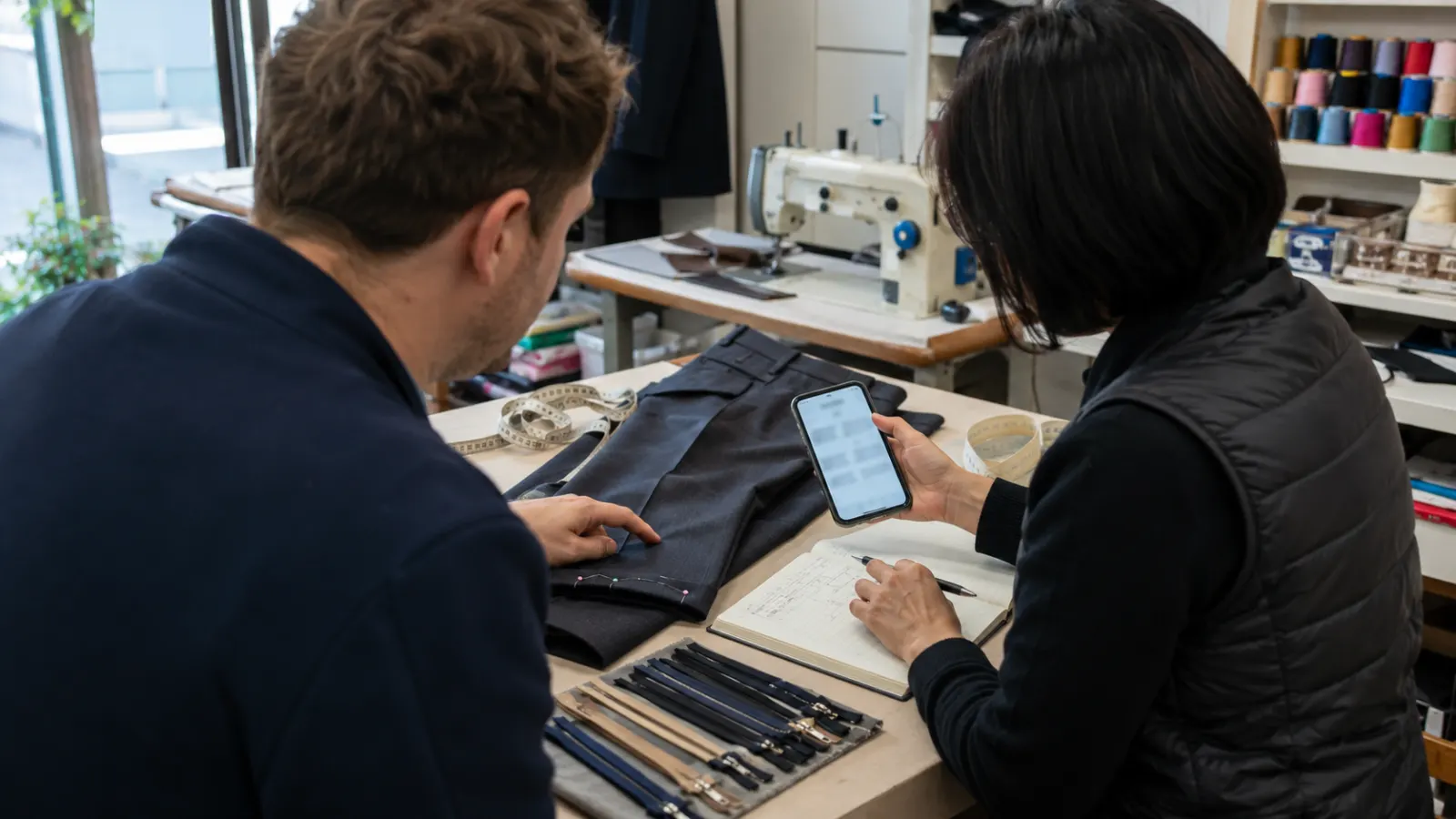
A pair of trousers that is too long, a broken zipper, a loose coat lining, or a jacket sleeve that never fits correctly does not always need to be replaced in Korea. Neighborhood clothing-repair shops can often handle practical alterations at a lower cost than buying a new item.
The hardest part for foreign residents is usually not finding a shop. It is explaining the exact change, confirming the price, and understanding how the finished garment should fit.
What clothing-repair shops are called
Useful Korean search terms include:
- 옷수선: clothing alteration
- 수선집: repair shop
- 의류수선: garment repair
- 바지수선: trouser alteration
- 지퍼수선: zipper repair
- 리폼: garment remodeling
Shops may be located inside traditional markets, underground shopping areas, department stores, dry cleaners, apartment neighborhoods, and small commercial buildings. A dry cleaner may accept alterations and send the item to another specialist. Ask whether the work is performed on site and when it will be ready.
Common alterations
Local shops may handle:
- Trouser hemming
- Waist adjustment
- Sleeve shortening
- Zipper replacement
- Button replacement
- Torn seam repair
- Coat lining repair
- Skirt length adjustment
- Jacket shaping
- Elastic replacement
- Patchwork
- Uniform alteration
- Curtain or simple fabric repair
Not every shop handles complex tailoring, leather, technical outdoor clothing, down jackets, formal suits, or wedding garments. Show the item before assuming the repair is possible.
Wear the right clothes for fitting
For trousers or skirts, wear the shoes you plan to use with the garment. Heel height changes the correct length. For jackets, bring the type of shirt or sweater normally worn underneath. For formal clothing, consider:
- Shoulder position
- Sleeve length
- Waist shape
- Shirt cuff visibility
- Sitting comfort
- Movement
- Pocket alignment
A quick fitting over thick winter clothing can produce a poor summer fit. Tell the tailor how you actually use the item.
Use pins, photos, and gestures
Translation apps can help, but visual communication is often more reliable. Bring:
- A well-fitting garment as a reference
- Photo of the desired fit
- Shoes
- Belt
- Exact measurement
- Safety pins or clips
- Written pickup date
Do not say only, “Make it smaller.” Show where it feels loose and how much adjustment you want. Useful concepts include:
- Shorter
- Longer
- Tighter
- Looser
- Same as this garment
- Keep the original hem
- Replace the zipper
- Repair only the damaged area
- Do not change the waist
- Leave enough fabric for future alteration
Ask the staff to pin the garment while you are wearing it.
Original hem matters for jeans
When shortening jeans, some customers want the factory-finished bottom edge preserved. This is often described as keeping or reattaching the original hem. Without this request, the shop may create a new hem that looks cleaner but different from the original faded edge. Decide which result you prefer.
Ask whether the altered stitching, thread color, and leg shape will match the existing design. For expensive denim, request an explanation before cutting.
Price should be confirmed before work begins
Simple hemming may be straightforward, while jackets, linings, zippers, and shape changes require more labor. Ask:
- Total price
- Whether materials are included
- Whether tax or card fees differ
- Completion date
- Additional cost if hidden damage is found
- Whether fitting correction is included
- Payment timing
- Refund or remake policy
Do not assume a posted “starting price” is the final amount. A zipper price may depend on length, material, color, and whether the garment must be opened and resewn.
Fast service is not always possible
Simple trouser hemming may be completed quickly when the shop is not busy. More complicated work can take several days or longer. Peak periods may include:
- School uniform season
- Wedding season
- Seasonal wardrobe changes
- Holiday closures
- Market closing days
Tell the shop when you genuinely need the item. Do not promise yourself same-day service before asking. For travel clothing or an upcoming event, leave time for a second fitting.
Some alterations are not worth the cost
A repair can cost more than the garment’s resale or replacement value. Before approving major work, consider:
- Original price
- Fabric quality
- Emotional value
- Replacement cost
- Expected remaining life
- Cleaning needs
- Risk of visible alteration
- Whether the underlying fabric is weak
Replacing one zipper on a quality coat may be sensible. Rebuilding a poorly made fast-fashion jacket may not be. Ask for an honest opinion about whether the result will be durable.
Technical and outdoor clothing
Waterproof jackets, padded coats, ski clothing, uniforms, and performance fabrics require care. Ordinary stitching can damage waterproof membranes or insulation. A replacement zipper may affect water resistance. Down filling can escape when seams are opened. Ask whether the shop has experience with the material.
For high-value outdoor gear, a brand repair center or specialist may be safer than a general neighborhood shop. Do not let a shop begin cutting until you understand the risk.
Formalwear and suits
Suit alterations can change the balance of the entire garment. Trouser length and waist adjustments are common. Jacket shoulders, lapels, armholes, and body length are more difficult. Before changing a suit jacket, ask:
- Which seams will be opened?
- Will pockets move?
- Will the lining be changed?
- Can the original shape be restored?
- Is a second fitting included?
- Will sleeve buttons be affected?
A tailor may recommend leaving a small imperfection rather than making an expensive structural change.
Check the item at pickup
Do not take the garment home without checking it. At pickup:
- Try it on
- Wear the correct shoes
- Sit down
- Raise your arms
- Check both sides
- Test the zipper
- Inspect stitching
- Confirm buttons
- Check pockets
- Look for chalk or pins
- Compare with the agreed length
If the item is still too loose or uneven, explain immediately. Keep the receipt or claim ticket until the fit is confirmed.
Clothing repair as a practical Korea habit
Alteration shops are useful for more than expensive clothing. Small repairs can extend the life of school uniforms, work trousers, coats, bags, curtains, and everyday garments. The service becomes easier when you bring a visual example, confirm the final price, and try the item on before leaving. Language does not need to be perfect when the desired result is physically demonstrated.
Quick Summary
- Search 옷수선 or 수선집 to find neighborhood clothing-alteration services.
- Wear the correct shoes and underlayers during fitting.
- Use a reference garment, photo, pins, or measurements to reduce misunderstanding.
- Confirm the price, materials, completion date, and correction policy before the item is cut.