How Korean Convenience Culture Shapes Daily Life for Long-Term Residents
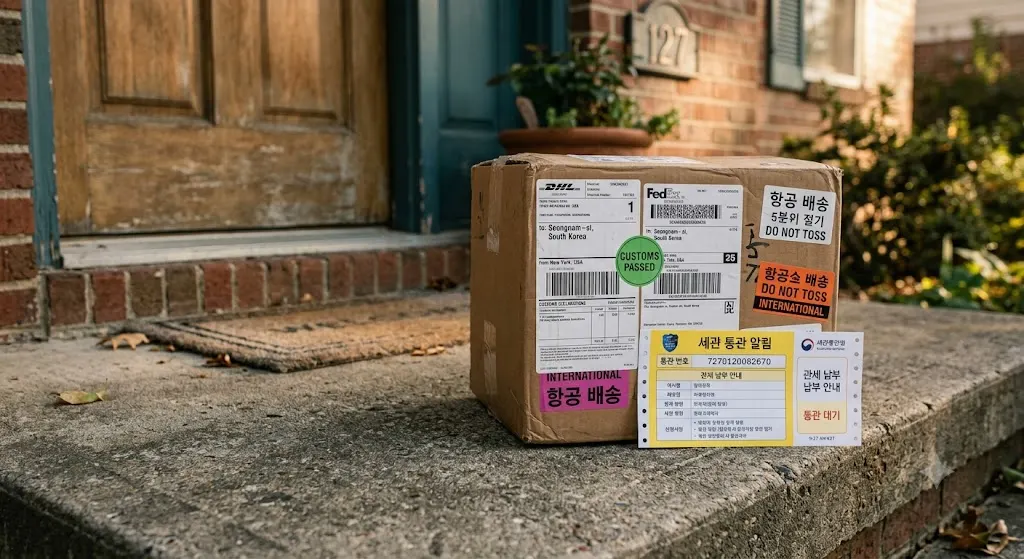
If you've been in Korea long enough to stop noticing the specific conveniences that felt remarkable in your first month, fast delivery, late-night everything, dense transit access, it's worth stepping back to understand how these systems actually interconnect, since they shape daily life and budgeting decisions in ways that aren't always obvious until you've lived with them for a while. This isn't a list of impressive features, it's a look at how convenience infrastructure actually affects practical daily choices for long-term foreign residents.
Here's how Korea's convenience-oriented infrastructure actually shapes everyday decisions, and where the trade-offs sit.
Why "Convenience" Changes Your Actual Spending Patterns
Korea's dense, always-available infrastructure, delivery, transit, extended business hours, genuinely changes spending behavior compared to environments with less immediate access, and understanding this matters for long-term budgeting.
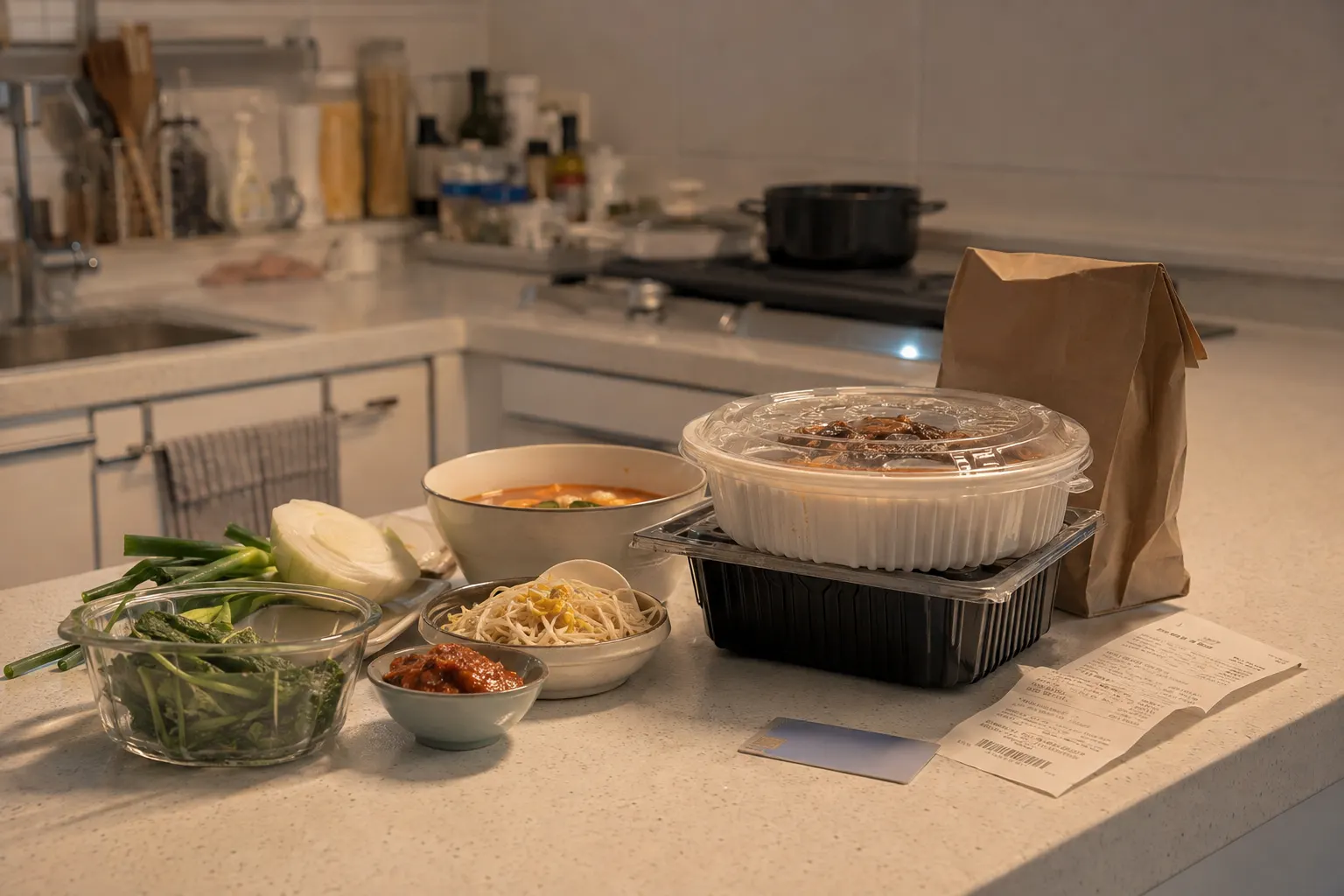
- Delivery convenience can quietly increase food spending compared to cooking at home more consistently, the ease and speed of ordering makes it a more frequent default choice than it might be in a system with less efficient delivery infrastructure, worth being deliberate about this if managing a long-term budget rather than letting convenience default into higher spending.
- Late-night and 24-hour access to services (convenience stores, some restaurants, transit until a certain hour) changes daily rhythm in ways that can affect sleep patterns and spending habits for residents who might otherwise have a more fixed daily structure in a less always-on environment.
- Dense transit access genuinely reduces the practical need for car ownership in major Korean cities, a meaningful long-term cost consideration, foregoing car ownership entirely is genuinely viable for many residents in ways it might not be in a more car-dependent home country.
The Trade-Off Between Convenience and Cost
A common misunderstanding among newer residents is assuming maximum convenience is always the most cost-effective choice simply because it's available and easy. In practice, convenience-oriented spending, frequent delivery, taxis instead of transit, convenience store purchases instead of grocery runs, adds up meaningfully over time compared to slightly less convenient but more cost-effective alternatives.
- Grocery shopping and cooking at home, while requiring more upfront time and effort than delivery, remains significantly cheaper for regular food costs over time, a genuine trade-off worth being intentional about rather than defaulting entirely to convenience.
- Transit versus taxi or rideshare represents a similar trade-off, Korea's transit system is genuinely efficient and affordable, but the ease of calling a taxi through an app can lead to more frequent taxi use than strictly necessary if not monitored.
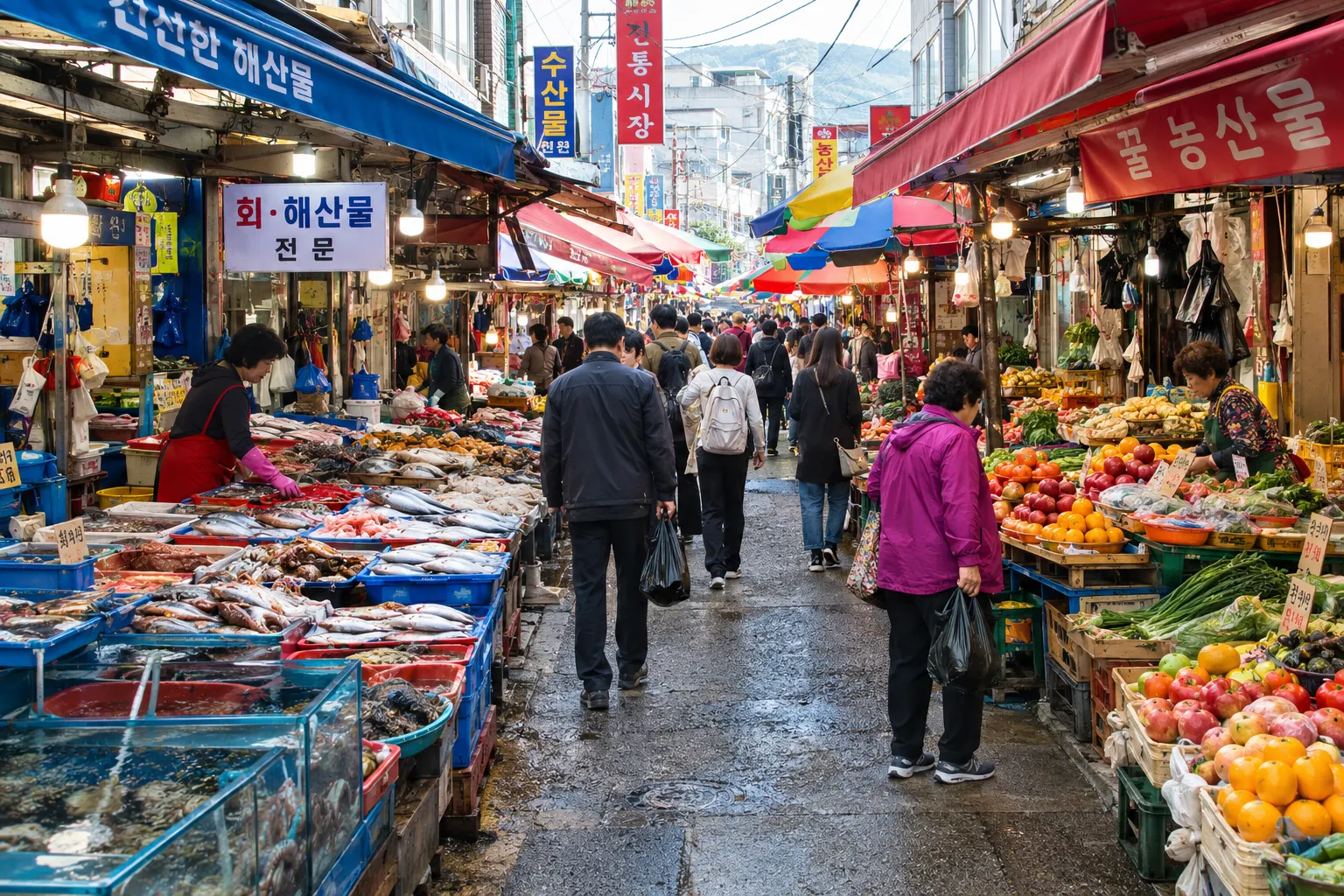
- Bulk or larger shopping trips to a hypermarket versus frequent small convenience store purchases similarly trade a bit of upfront planning effort for meaningfully better long-term value.
How This Affects Long-Term Financial Habits
- Tracking actual spending patterns, particularly around delivery and convenience-driven purchases, helps identify whether convenience-driven habits have quietly become a larger budget line than intended, a useful check for any long-term resident settling into Korean daily life.
- Building in deliberate lower-convenience habits (regular grocery trips, using transit consistently rather than defaulting to taxis) as part of a long-term routine, rather than only during an initial cost-conscious phase, helps maintain sustainable spending habits over years rather than months.
- Recognizing which conveniences are genuinely worth the cost for your specific lifestyle and priorities, rather than either over-indulging in every available convenience or unnecessarily denying yourself services that genuinely improve quality of life, is a more sustainable long-term approach than an all-or-nothing mindset.
What Long-Term Residents Often Realize Over Time
Many foreign residents who've lived in Korea for several years describe a shift from initial novelty-driven heavy use of delivery and convenience services toward a more balanced approach, once the initial appeal of "everything is so easy here" settles into ordinary daily life, more intentional habits around cooking, transit use, and shopping patterns tend to emerge naturally, closer to how they might have approached daily life in their home country, but with the genuine benefit of Korea's infrastructure available when actually needed rather than defaulted to automatically.
Common Mistakes Long-Term Residents Make
- Not tracking convenience-driven spending over time, letting delivery, taxi, and convenience store habits quietly become a larger ongoing cost than intended without noticing the cumulative effect.
- Swinging to the opposite extreme and avoiding genuinely useful conveniences entirely out of budget concern, missing out on services that, used deliberately rather than by default, genuinely improve quality of life without meaningfully harming a long-term budget.
- Not adjusting habits as length of stay increases. What made sense as a novelty during an initial settling-in period doesn't always make sense as a sustained years-long habit, worth periodically reassessing actual spending patterns as your time in Korea extends.
Quick Summary
- Korea's convenience infrastructure, delivery, transit, extended hours, genuinely changes daily spending patterns compared to less convenience-dense environments, worth being intentional about rather than assuming convenience always equals cost-effectiveness.
- Cooking at home, using transit consistently, and shopping in bulk generally offer meaningfully better long-term value than defaulting to delivery, taxis, and small convenience purchases.
- Tracking actual spending patterns around convenience-driven habits helps identify whether they've quietly become a larger budget line than intended over time.
- Many long-term residents naturally shift toward more balanced, intentional habits after the initial novelty of Korea's convenience infrastructure settles into ordinary daily life.