How to Use Korean Convenience Stores Like a Local
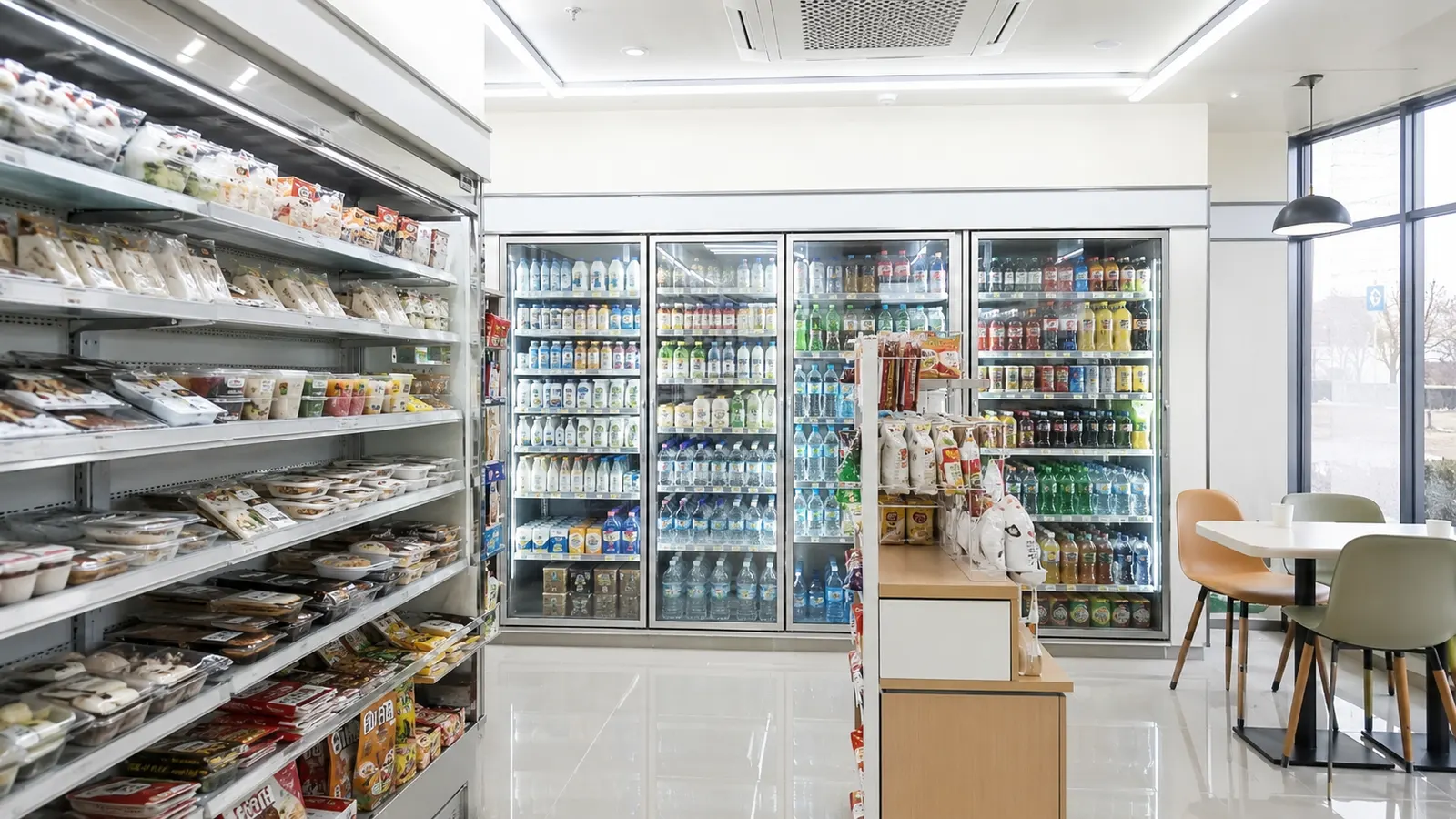
# How to Use Korean Convenience Stores Like a Local Korean convenience stores are more than places to buy snacks. They are small everyday survival centers.
You can grab breakfast, heat up lunch, buy an umbrella, charge your transportation card, pick up a drink, find basic medicine-style comfort items, sit down for a quick meal, or escape the weather for a few minutes. For travelers and new residents, learning how to use convenience stores well can make life in Korea much easier.
Stores such as CU, GS25, 7-Eleven, and emart24 are everywhere in Korean cities. In busy neighborhoods, you may find several within a few minutes of each other. Each brand has its own products and promotions, but the basic experience is similar.
Start With the Ready-to-Eat Food
The fastest way to understand Korean convenience stores is through food.
You will find triangle kimbap, lunch boxes, sandwiches, salads, cup noodles, instant rice, boiled eggs, sausages, fried snacks, desserts, and seasonal items. Many stores also carry protein drinks, yogurt, fruit cups, and simple breakfast options.
Triangle kimbap is one of the classic convenience store foods. It is cheap, portable, and easy to eat. The packaging can be confusing at first, but there are usually numbered steps showing how to open it without tearing the seaweed.
Lunch boxes are also popular. They often include rice, meat, side dishes, and vegetables in one tray. For people staying in Korea on a budget, convenience store lunch boxes can be a practical meal option.
Use the Microwave and Hot Water Station
Most Korean convenience stores have a microwave. Many also have a hot water dispenser for cup noodles and instant soups.
After buying a lunch box or microwaveable item, you can usually heat it yourself. The microwave area may be near the counter or next to the seating area. If you are unsure how long to heat something, check the package. Even if the instructions are in Korean, the heating time is often easy to recognize because it uses numbers and seconds.
For cup noodles, open the lid halfway, add the seasoning, pour hot water to the line, close the lid, and wait for the recommended time. Do not put metal, foil, or unsafe packaging in the microwave. If something looks unfamiliar, ask the staff or choose an item with clear microwave instructions.
Seating Areas Are Common, But Not Guaranteed
Many convenience stores in Korea have small seating areas, especially near schools, offices, residential districts, and tourist zones. Some have indoor counters, while others have outdoor tables.
This makes convenience stores useful for a quick meal. You can buy a lunch box, heat it up, sit down, and eat without going to a restaurant.
However, not every store has seating. Small stores in crowded areas may only be designed for quick purchases. Also, seating rules can vary depending on the store, time of day, and local conditions.
If there are seats, clean up after yourself. Throw away packaging in the correct bin and leave the table ready for the next person.
Look for One Plus One Deals
Korean convenience stores are famous for promotions such as “1+1” and “2+1.” A 1+1 deal means buy one, get one free. A 2+1 deal means buy two, get one free. These promotions are common for drinks, snacks, instant coffee, yogurt, ramen, and household items. For short-term visitors, these deals are useful if you are buying bottled drinks or snacks for a group. For residents, they can save money on everyday items.
The signs are usually placed directly under the product, so check carefully before buying. Sometimes only specific flavors or sizes are included.
You Can Recharge Transportation Cards
Many convenience stores allow you to recharge transportation cards. This is helpful if you are not near a subway station or if you prefer asking a person instead of using a machine.
Take your card to the counter and say the amount you want to add. For example, “10,000 won charge” is usually understood in tourist areas. You can also show the amount on your phone calculator if language is a concern.
Transportation card services can vary by store and card type, but convenience stores are still one of the easiest places to try first.
Convenience Stores Are Useful in Bad Weather
Korea’s weather can change quickly. Sudden summer rain, winter wind, spring dust, and humid heat can all catch visitors off guard.
Convenience stores often sell umbrellas, tissues, masks, heat packs, cold drinks, ice cups, and basic seasonal items. During summer, ice cups and bottled coffee are especially popular. You buy a cup of ice and pour a packaged drink into it.
This ice cup culture is one of the small pleasures of Korean convenience stores. It is simple, cheap, and perfect for hot days.
Try the Seasonal Products
Convenience stores in Korea change their products often. You may find limited-edition snacks, collaboration desserts, character-themed drinks, seasonal ramen, or special holiday items.
This makes convenience stores fun even if you are not buying anything important. For travelers, they are an easy way to try Korean flavors without committing to a full restaurant meal.
Popular categories include banana milk, flavored milk, iced coffee, spicy ramen, convenience store desserts, gimbap, and packaged bakery items. If you like food content, Korean convenience stores are an endless source of small discoveries.
Payment Is Easy
Most convenience stores accept cards, mobile payments, and cash. International cards often work, especially in major cities, but it is still smart to carry some cash in case of payment issues.
Self-checkout machines are becoming more common in some stores. If the machine feels confusing, use the regular counter. Staff may not always speak English, but convenience store transactions are usually simple and quick.
A helpful habit is to place items on the counter, tap or insert your card, and wait for the receipt option. Some stores may ask whether you need a bag. Bags may cost extra due to Korea’s plastic bag reduction policies.
Be Aware of Trash Sorting
After eating in or near a convenience store, sort your trash properly. Stores may have separate bins for plastic, cans, paper, food waste, and general waste. If the bins are unclear, look at what other people do or ask the staff. Do not leave cups, ramen containers, or food waste on the table.
This matters because convenience stores are small spaces with high traffic. Cleaning up properly is part of using them like a local.
The Convenience Store as a Daily Life Tool
For many people in Korea, convenience stores fill the gaps between home, work, school, and public transportation.
They are where you stop when you are hungry but busy. They are where you buy a quick coffee before the subway. They are where you pick up an umbrella when the rain starts. They are where you sit for ten minutes when your phone is low and your schedule is messy.
For visitors, they are one of the easiest ways to experience everyday Korea without planning anything. You do not need a guidebook strategy. Walk in, look around, try something small, and learn as you go.
Quick Summary
- Korean convenience stores are useful for meals, snacks, drinks, umbrellas, and daily essentials.
- Many stores have microwaves, hot water, and small seating areas.
- Look for 1+1 and 2+1 promotions to save money.
- You can often recharge transportation cards at the counter.
- Clean up and sort trash properly after eating.