Lifestyle
How Korean Customs Rules Work for Shipping Items From Abroad
By New In Korea TeamPublished Updated
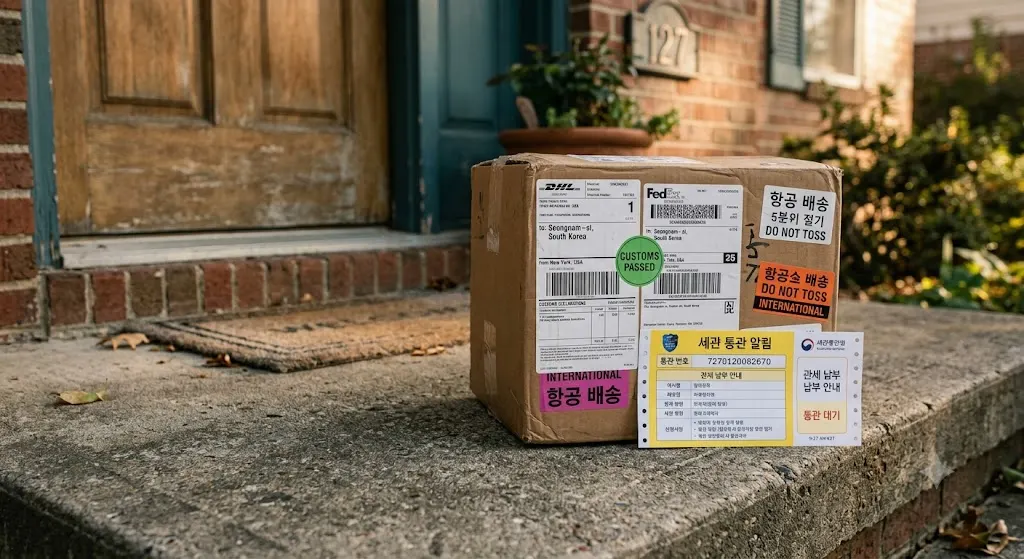
If you've tried to have a package shipped to Korea from an overseas retailer or a family member sending something from home, and found it held at customs, hit with an unexpected duty fee, or delayed with confusing notifications, Korea's customs system for personal imports follows specific value thresholds and category rules that catch a lot of foreign residents off guard, particularly when ordering from international sites that don't clearly explain what happens once the package actually reaches Korea.
Here's how Korean customs rules actually work for personal shipments from abroad.
The De Minimis Threshold: What Ships Duty-Free
- Korea generally allows personal imports under a certain value threshold to clear customs without duty or tax, commonly cited around 150 USD equivalent for most countries, though this threshold has specific exceptions and can differ for shipments from countries with a free trade agreement with Korea, where a higher threshold sometimes applies.
- This threshold applies to the item's actual value, not including shipping cost in most calculations, though how a specific customs assessment handles bundled shipping and item value can occasionally create some ambiguity worth understanding if you're ordering something close to the threshold.
- Multiple items in a single shipment are generally assessed together against this threshold, splitting a large order into the same shipment doesn't reduce the assessed value, a common point of confusion for those assuming per-item thresholds rather than total shipment value.
What Happens When a Shipment Exceeds the Threshold
- Customs duty and value-added tax generally apply once a shipment's assessed value exceeds the duty-free threshold, the specific rate varies by product category, some categories carry higher duty rates than others, electronics, clothing, and specific luxury goods sometimes have different applicable rates.
- You'll generally receive a notification, through the courier service or Korea Customs directly, informing you of the duty owed and how to pay before the package is released for delivery, understanding this process before your first international order avoids confusion when a notification arrives.
- Payment is generally required before final delivery, either through the courier's own payment collection process or directly through Korea Customs' own payment system, delaying payment simply delays your package's final delivery.
Restricted and Prohibited Items
- Certain categories face specific restrictions or require additional documentation regardless of value, certain medications, specific food items, and various regulated products fall under this category, worth checking Korea Customs' specific restricted items list before ordering something you're unsure about, rather than assuming any item under the value threshold ships freely.
- Prescription medications sent from abroad face particular scrutiny, as touched on in how prescription refills work in Korea, bringing or shipping certain medication categories can require specific documentation or simply isn't permitted regardless of value, checking this specifically before having medication shipped from home avoids a package being held or destroyed at customs.
- Food items face varying restrictions depending on the specific type, some processed or packaged food items ship without issue, while fresh or certain categories face restriction or require specific import documentation.
Practical Tips for Ordering From Abroad
- Understand the duty-free threshold before ordering, particularly for larger purchases, calculating whether staying under the threshold by ordering separately, spaced appropriately, makes practical sense for your specific situation, though be aware customs authorities do watch for patterns of deliberately split orders.
- Check specific product category restrictions before ordering something potentially regulated, rather than discovering a restriction only after a package is held at customs.
- Keep documentation of the purchase, order confirmations and receipts, readily accessible, since customs clearance sometimes requires this documentation to verify declared value and content accurately.
- Budget for potential duty and tax on larger purchases from the outset, rather than being surprised by an additional payment requirement after the item has already shipped and you're anticipating delivery.
Common Mistakes Foreign Residents Make
- Assuming all personal shipments ship duty-free regardless of value, not accounting for the specific threshold and resulting in an unexpected duty payment requirement or delayed delivery.
- Not checking restricted item categories before ordering, particularly relevant for supplements, certain medications, or specific food items that may face restriction regardless of declared value.
- Splitting orders specifically to avoid duty thresholds in an obvious, easily flagged pattern, customs authorities do monitor for this kind of deliberate threshold avoidance, worth understanding this isn't a reliable long-term workaround.
- Ignoring customs notifications, assuming a held package will simply resolve itself, when actually responding to required payment or documentation requests promptly matters for avoiding extended delays or the package being returned.
Quick Summary
- Korea generally allows personal imports under approximately 150 USD equivalent value to clear customs duty-free, though this threshold and specific rules can vary by country of origin and product category.
- Shipments exceeding the threshold generally incur duty and value-added tax, requiring payment before final delivery, understanding this process before your first international order avoids confusion.
- Certain categories, particularly medications and some food items, face specific restrictions or documentation requirements regardless of declared value, worth checking before ordering something potentially regulated.
- Keeping purchase documentation accessible and budgeting for potential duty on larger orders helps avoid delivery delays and unexpected payment surprises.