How Delivery Apps Work in Korea: Coupang, Baemin, and Beyond
If you've moved to Korea and heard that "everything gets delivered," it's not an exaggeration, but figuring out which app does what, and why some of them keep asking for verification you don't have yet, takes a bit of trial and error. Korea's delivery ecosystem is genuinely one of the most convenient in the world, but it's also fragmented across several major apps that each specialize in something slightly different.
Here's how the main delivery platforms actually work, and where foreign users commonly get stuck.
The Main Players and What Each One Does
- Coupang functions primarily as an e-commerce platform, similar to Amazon, with its Rocket Delivery service offering next-day or even same-day delivery on a huge range of goods, from groceries to electronics. Coupang Eats, a separate arm of the same company, handles restaurant food delivery.
- Baemin (Baedal Minjok) is Korea's largest dedicated food delivery app, covering restaurant orders, and increasingly convenience store and small grocery runs (B마트) as well.
- Yogiyo is a competing food delivery app, generally offering similar functionality to Baemin, with pricing and restaurant availability sometimes varying by neighborhood.
- Naver and Kakao-affiliated shopping and delivery features exist within Korea's dominant search and messaging platforms, less central for pure delivery but increasingly integrated for payments and order tracking.
For most new residents, Coupang for general shopping and either Baemin or Yogiyo for food delivery covers the vast majority of daily delivery needs.
What You Need to Actually Use These Apps
- A Korean phone number is generally required for account verification and order updates, since delivery apps rely heavily on SMS or app notifications for real-time tracking and driver contact.
- A Korean address system understanding, Korea uses a road-name address system alongside older lot-number addresses, and delivery drivers, along with the apps themselves, work more smoothly when your registered address is entered correctly and matches your building's actual entry system, including gate codes or building numbers for officetels and apartments.
- A Korean payment method, most apps support Korean-issued cards directly, and some now support certain foreign cards or platforms like PayPal for specific transactions, though this is inconsistent and card compatibility should be checked within each app rather than assumed.
A common early mistake is assuming any international card will work smoothly across all these platforms, some transactions go through fine, others fail at checkout without a clear explanation, simply because the app's payment gateway wasn't built with foreign card verification as the default case.
How Same-Day and Dawn Delivery Actually Works
One of the more genuinely surprising features for new arrivals is Coupang's dawn delivery (로켓프레시 새벽배송), where orders placed by a certain cutoff time the previous evening arrive before you wake up, often before 7am. This is commonly used for groceries and household essentials rather than general shopping, and availability depends on your specific address being within the dawn delivery service zone, which covers most major cities but not every rural area.
Regular Rocket Delivery, Coupang's next-day (or same-day, depending on order time) service, works more broadly and is available in nearly all residential areas with a registered address.
Understanding Delivery Instructions and Building Access
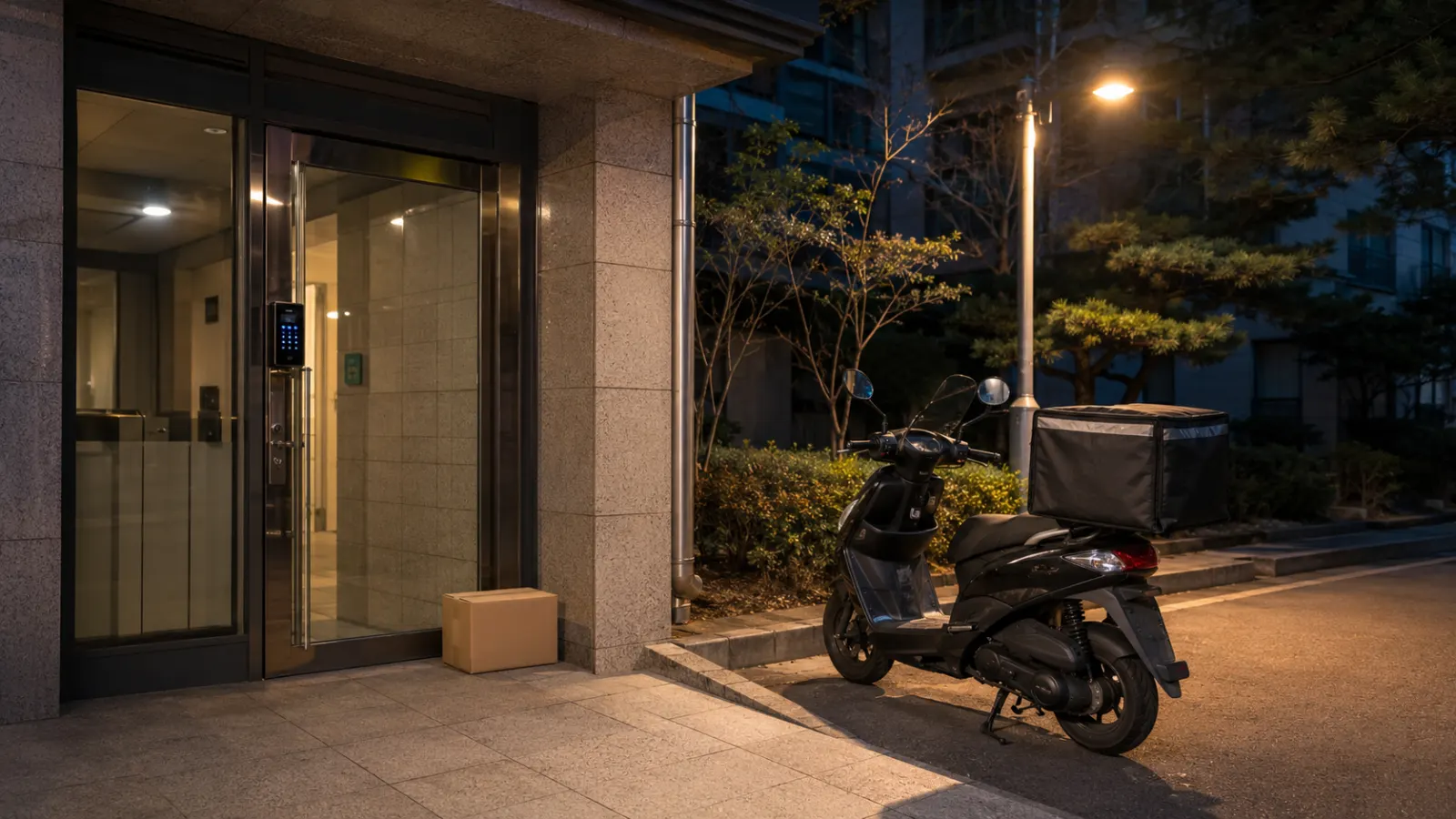
Korean apartment and officetel buildings often use keypad entry systems, and delivery drivers typically need either a gate code or, more commonly now, leave packages at a designated delivery area (often near the building entrance or a package locker system) rather than a doorstep in the Western sense.
- Adding specific delivery instructions (문 앞에 놔주세요, "leave at the door") within the app helps, even a simple translated note improves the odds of smooth delivery.
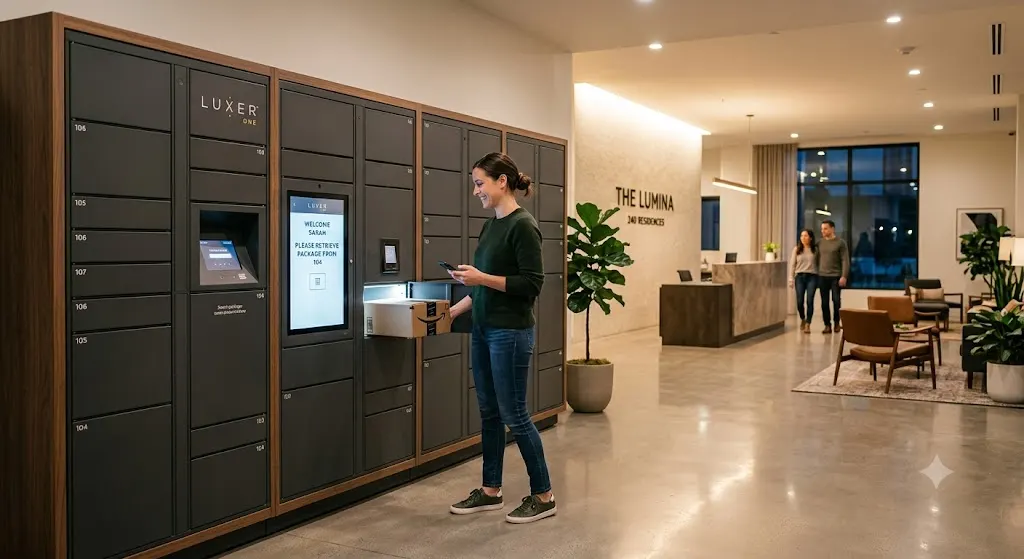
- Many officetels and newer apartment buildings have package locker or storage systems specifically because of Korea's delivery volume, worth learning your building's specific system in your first week rather than guessing based on a package that didn't arrive as expected.
What Foreigners Commonly Misunderstand
A frequent assumption is that food delivery apps like Baemin function like an aggregator connecting to any restaurant's own delivery service, similar to some platforms elsewhere. In Korea, the delivery infrastructure itself, dedicated delivery riders working through the app's own logistics network, is usually what fulfills the order, restaurants often don't have their own delivery staff at all, relying entirely on these third-party platforms.
Another common mix-up is underestimating delivery fees and minimum order amounts, which vary significantly by platform, restaurant, and time of day, checking the total before finalizing an order avoids the surprise of a delivery fee that's larger than expected during peak hours or bad weather.
Quick Summary
- Coupang covers general e-commerce and grocery delivery (including dawn delivery), while Baemin and Yogiyo specialize in restaurant food delivery.
- A Korean phone number and understanding of Korea's address and building entry systems matter more for smooth delivery than which specific app you choose.
- Foreign-issued cards work inconsistently across these platforms, checking payment compatibility within each app avoids checkout surprises.
- Delivery riders working through the app's own logistics, not the restaurant's own staff, typically fulfill food orders, which is part of why speed and coverage are so consistent across most of Korea.