Lifestyle
How Korean Home Security and Smart Lock Systems Actually Work
By New In Korea TeamPublished Updated
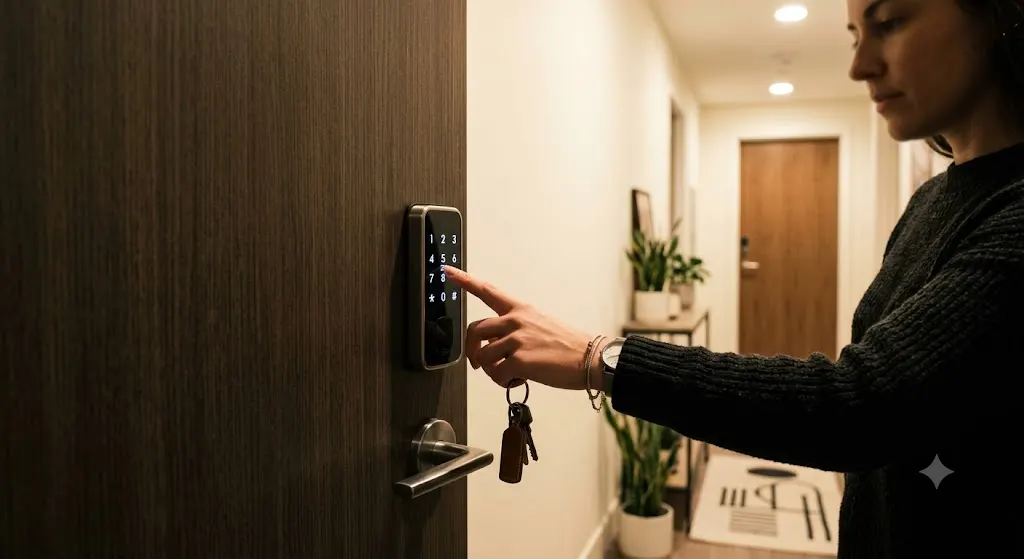
If you've moved into a Korean apartment or officetel and encountered a digital door lock with a keypad instead of a traditional key, and wondered how to actually set this up, change the code securely, or whether these systems are genuinely secure, understanding how Korea's widespread digital lock and home security systems work helps you use them confidently and securely from the start of your tenancy.
Here's how Korean home digital locks and security systems actually work.
Why Digital Locks Are the Standard in Korea
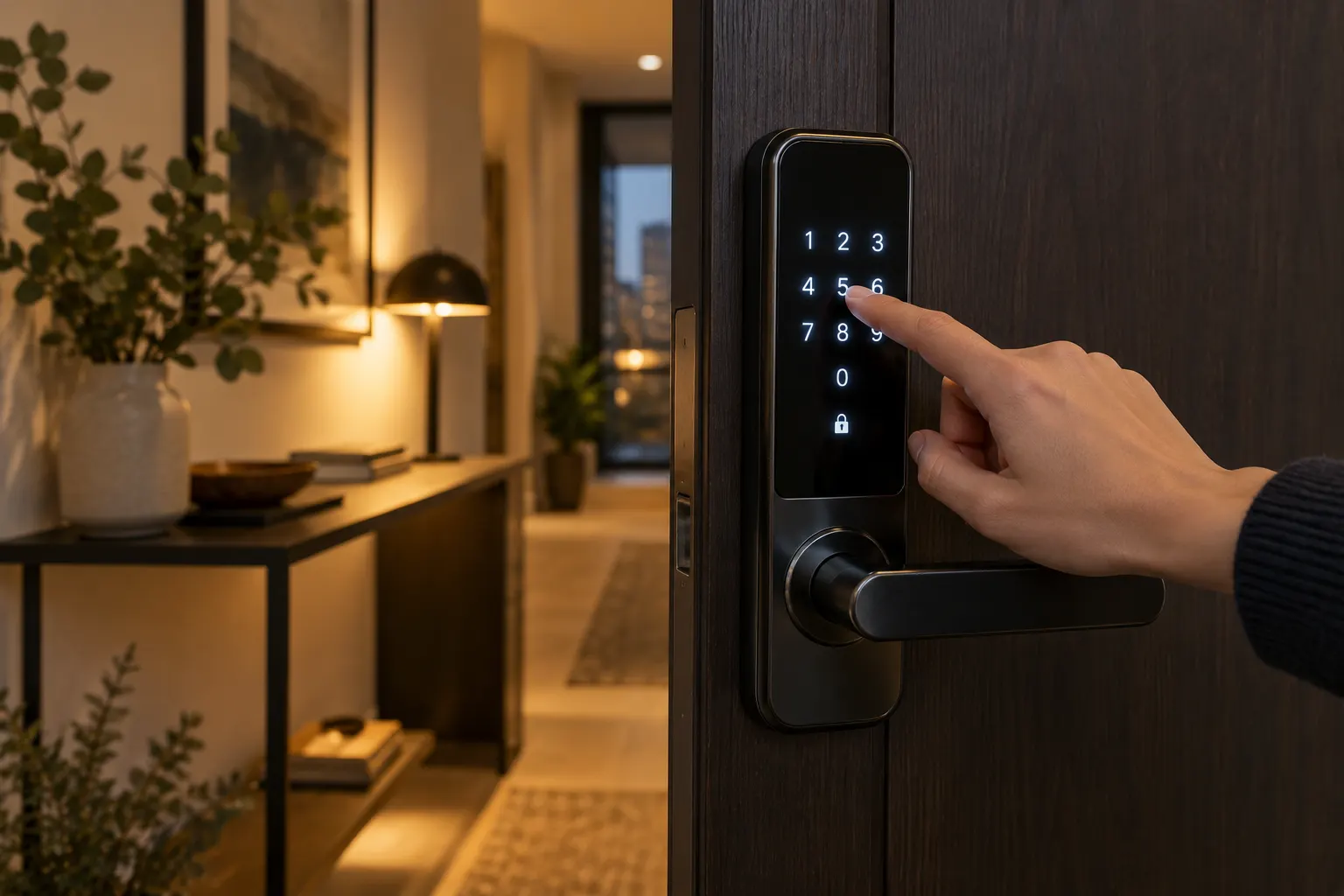
- Digital keypad locks (도어락) have become the overwhelming standard for residential entry doors in Korea, particularly in apartments and officetels, rather than traditional physical keys, reflecting both genuine security convenience and broader Korean adoption of digital, code-based access systems across many aspects of daily life.
- Most digital locks support multiple access methods, a numeric keypad code, sometimes a fingerprint scanner, and often a backup physical key or card as a fallback option, understanding your specific unit's actual lock model and its full range of access options, rather than relying solely on the method shown to you at move-in, helps you use the system's full functionality.
- Battery-powered operation is standard for most digital locks, understanding your specific lock's battery indicator and replacement process matters, since a depleted battery can lock you out entirely if not addressed proactively, most locks provide a low-battery warning signal well before complete failure.
Setting Up and Changing Your Access Code
- Change the default code immediately upon move-in, regardless of what a landlord or previous tenant tells you the current code is, most digital lock models have a straightforward code-change process accessible through the keypad itself, checking your specific lock model's manual or asking the landlord to demonstrate this process during move-in matters for basic security hygiene.
- Choose a genuinely secure code, avoiding obvious sequences or easily guessable numbers, similar security principles to any digital PIN apply here, given how directly this code controls physical access to your home.
- Understand the backup access method, keeping a spare physical key or backup card, if your specific lock model includes this option, in a safe but accessible location, provides a fallback if the digital system malfunctions or the battery unexpectedly fails.
Building-Level Security Beyond Your Unit Door
- Building entrance security systems, often a separate keypad or card access system controlling the main building entrance distinct from your individual unit's lock, represents another security layer common in Korean apartment and officetel buildings, understanding how your specific building's entrance system works, and any specific code or access card you need for this separate layer, matters alongside your unit-level lock understanding.
- CCTV coverage in common areas, hallways, entrances, and sometimes elevators, is standard in most newer Korean residential buildings, generally contributing to Korea's broadly low crime rate and overall sense of residential security, though understanding this is a building-level system rather than something covering the interior of your private unit.
- Visitor and delivery access coordination, as covered in how smart package lockers and building delivery systems work, sometimes intersects with your building's broader security and access system, understanding how these different systems, entrance security, package lockers, and your unit's own lock, work together as your building's overall access infrastructure helps you navigate daily life smoothly.
Practical Security Considerations
- Not sharing your access code unnecessarily, similar to any secure PIN, being thoughtful about who you share your specific unit access code with, and changing it if you have any reason to believe it's been compromised or shared beyond your intention.
- Understanding what happens during a power outage, most digital locks have battery backup independent of building electrical power, though understanding your specific lock model's behavior during an extended power outage matters for genuine emergency preparedness.
- Reporting lock malfunctions promptly to your landlord or building management, rather than attempting complex troubleshooting independently, particularly relevant given this represents your home's primary security and access mechanism, prompt professional attention to any malfunction matters more here than for many other minor apartment issues.
Common Mistakes Foreign Residents Make
- Not changing the default access code at move-in, leaving a code potentially known to a previous tenant, real estate agent, or others involved in the move-in process, a straightforward but sometimes overlooked basic security step.
- Not understanding the specific backup access method available, facing a genuine lockout situation without an available fallback if the digital system unexpectedly malfunctions or the battery depletes.
- Not understanding the building's separate entrance-level security system alongside their individual unit lock, missing an important layer of their overall building access understanding.
- Delaying reporting a malfunctioning lock, attempting extended independent troubleshooting rather than promptly involving building management or a professional locksmith service for what represents a genuinely important home security system.
Quick Summary
- Digital keypad locks represent the overwhelming standard for residential entry doors in Korea, changing the default access code immediately at move-in represents a basic but important security step many new residents overlook.
- Most digital locks support multiple access methods, keypad code, fingerprint, and backup physical key or card, understanding your specific lock's full functionality and battery status matters for avoiding an unexpected lockout.
- Building-level entrance security and CCTV coverage represent an additional security layer beyond your individual unit's lock, understanding how these different systems work together provides a complete picture of your building's overall access infrastructure.
- Reporting any lock malfunction promptly to building management or a professional, rather than extended independent troubleshooting, matters given how directly this system affects your home's basic security and access.