Lifestyle
How Korean Seasonal Clothing Shopping and Layering Actually Works
By New In Korea TeamPublished Updated
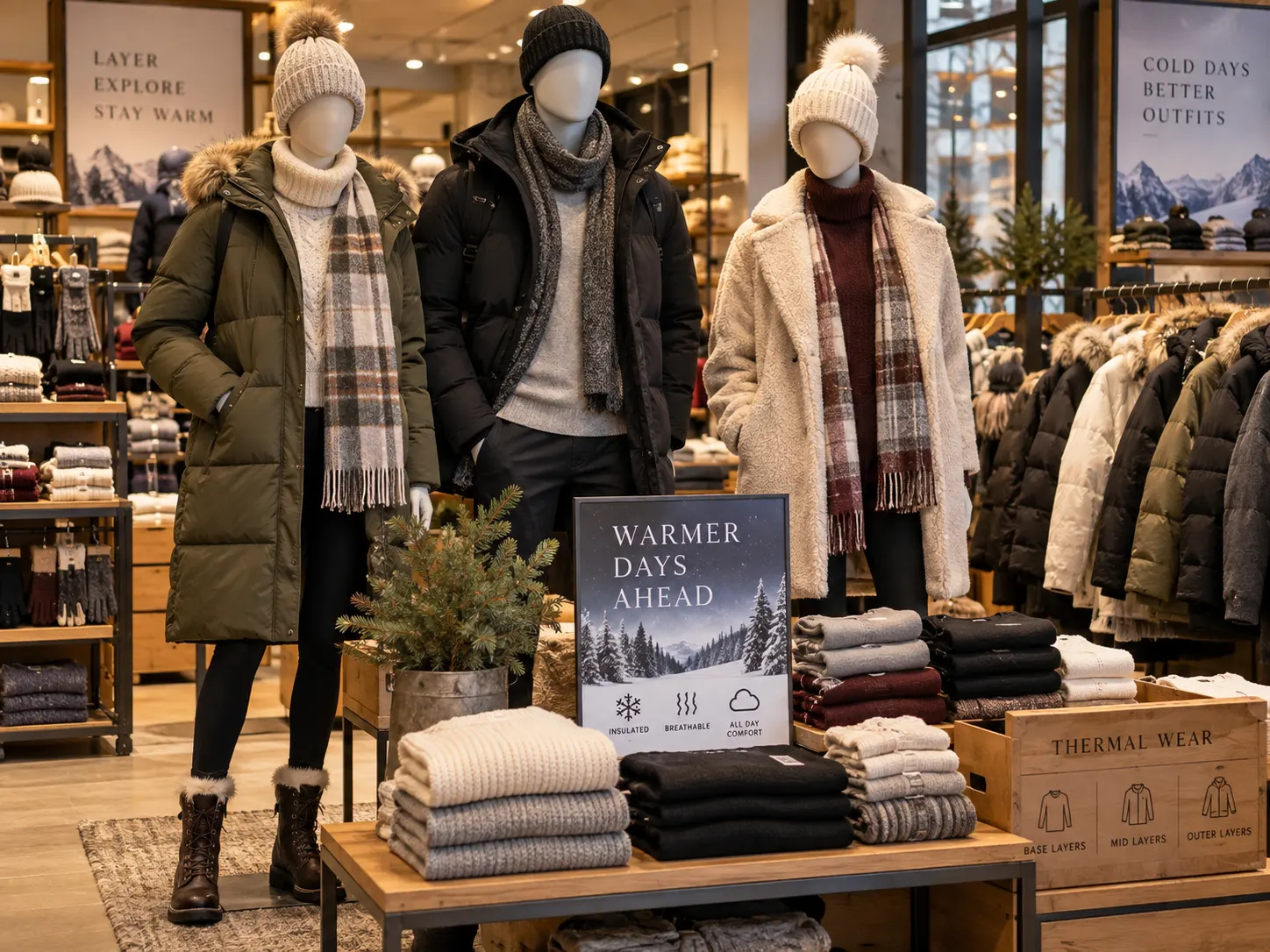
If you've moved to Korea and found your home country's typical seasonal wardrobe doesn't quite match Korea's specific climate pattern, particularly the intensity of both summer humidity and winter cold, understanding how Koreans actually approach seasonal dressing, and where to shop for weather-appropriate clothing at reasonable prices, helps you build a wardrobe that genuinely works for Korea's four distinct, often more extreme seasons rather than importing assumptions from a milder home climate.
Here's how Korean seasonal clothing shopping and layering approaches actually work.
Understanding Korea's Distinct Seasonal Extremes
- Korean summers combine high heat with genuinely significant humidity, particularly July and August, considerably more oppressive than a similar temperature reading might suggest in a drier climate, lightweight, breathable, moisture-wicking fabric genuinely matters more here than in many other countries' summer wardrobes.
- Korean winters, particularly in Seoul and northern regions, bring genuinely cold temperatures, often below freezing for extended periods, combined with wind chill that can make actual temperatures feel considerably colder, proper winter layering and quality outerwear matter more than a milder-climate winter wardrobe might have prepared you for.
- Spring and fall, while generally more moderate, are notably shorter transitional seasons than some other countries experience, the shift between winter cold and summer heat happens relatively quickly, meaning your transitional-weather wardrobe gets less use than in a climate with more gradual seasonal shifts.
Where Koreans Actually Shop for Seasonal Clothing
- Fast fashion and affordable clothing chains, both international brands with a significant Korean presence and domestic Korean brands, offer accessible, reasonably priced seasonal clothing, a practical starting point for building a weather-appropriate wardrobe without significant expense.
- Underground shopping districts and specific clothing markets, Dongdaemun in Seoul being particularly notable, offer both retail and wholesale-adjacent shopping with genuinely competitive pricing, particularly for basics and seasonal staples, worth exploring if you're building out a full seasonal wardrobe rather than just a few specific pieces.
- Online shopping platforms, similar to general e-commerce covered elsewhere, offer extensive clothing options, though sizing consistency across different Korean brands can vary meaningfully, understanding a specific brand's actual sizing before ordering, rather than assuming standard sizing translates directly, helps avoid a frustrating return process.
Layering Strategy for Korean Winters
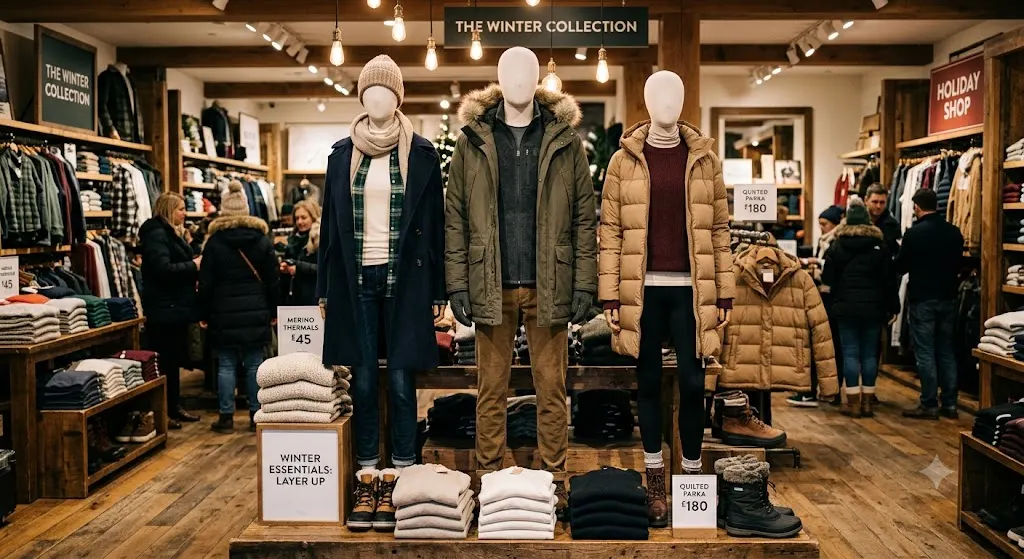
- A genuine base layer system, moisture-wicking thermal wear as a foundation layer, matters more for actual warmth than simply adding bulky outer layers alone, Korean stores widely carry dedicated thermal base layer products specifically designed for this purpose, often sold as a specific product category (히트텍-style thermal wear) rather than general underwear.
- A substantial mid-layer, fleece or wool sweaters providing genuine insulation, forms the functional warmth core of a Korean winter outfit, understanding that Korean winter dressing generally emphasizes more substantial mid-layer insulation than a milder-climate wardrobe might include as standard.
- A genuinely weather-appropriate outer layer, a proper winter coat rated for actual sub-freezing temperatures with wind resistance, represents a worthwhile investment given how much winter weather genuinely affects daily comfort, Korean outerwear brands and general retail widely offer weather-appropriate options at various price points.
Practical Tips for Building a Korea-Appropriate Wardrobe
- Don't assume your home country wardrobe automatically transfers appropriately, particularly if your home climate is notably milder in either direction, budgeting for some initial wardrobe adjustment purchases during your first year in Korea, rather than assuming existing clothing will suffice, sets more realistic expectations.
- Shop seasonally and strategically, Korean retail follows fairly predictable seasonal sale patterns, end-of-season clearance sales offer meaningful savings on items you can use the following year, worth timing larger seasonal purchases around these sale periods where reasonable.
- Pay attention to how Korean colleagues and neighbors actually dress for the season, observing practical local dressing patterns, rather than solely relying on your own prior climate assumptions, provides a genuinely useful real-world calibration for what actually works in Korea's specific seasonal conditions.
Common Mistakes Foreign Residents Make
- Underestimating actual winter cold intensity, particularly those coming from milder climates, arriving without adequate outerwear and discovering only through discomfort that Korean winters genuinely require more substantial preparation than initially assumed.
- Underestimating summer humidity's practical impact, packing clothing appropriate for a similar temperature reading in a drier climate, without accounting for how much more uncomfortable the same temperature feels with Korea's characteristic summer humidity.
- Not adjusting sizing expectations across different Korean clothing brands, ordering online based on a single brand's sizing chart without confirming this translates consistently to a different brand's specific sizing.
- Missing seasonal sale timing, paying full price for seasonal items that could have been purchased at meaningful discount by timing the purchase around predictable end-of-season clearance periods instead.
Quick Summary
- Korea's seasons run more extreme than many foreign residents initially expect, genuinely humid summers and genuinely cold winters, requiring wardrobe adjustments beyond what a milder home climate might have prepared you for.
- Fast fashion chains, Dongdaemun and similar shopping districts, and online platforms all offer accessible seasonal clothing shopping, though sizing consistency varies between different Korean brands.
- Proper winter layering, a moisture-wicking base layer, substantial insulating mid-layer, and weather-appropriate outerwear, matters more for genuine comfort than simply adding bulk without this structured approach.
- Observing how Korean colleagues and neighbors actually dress for the season, and timing larger seasonal purchases around predictable clearance sale periods, helps you build a genuinely appropriate and cost-effective Korea wardrobe.