How Korean University Entrance Exam Culture Affects Foreign Families
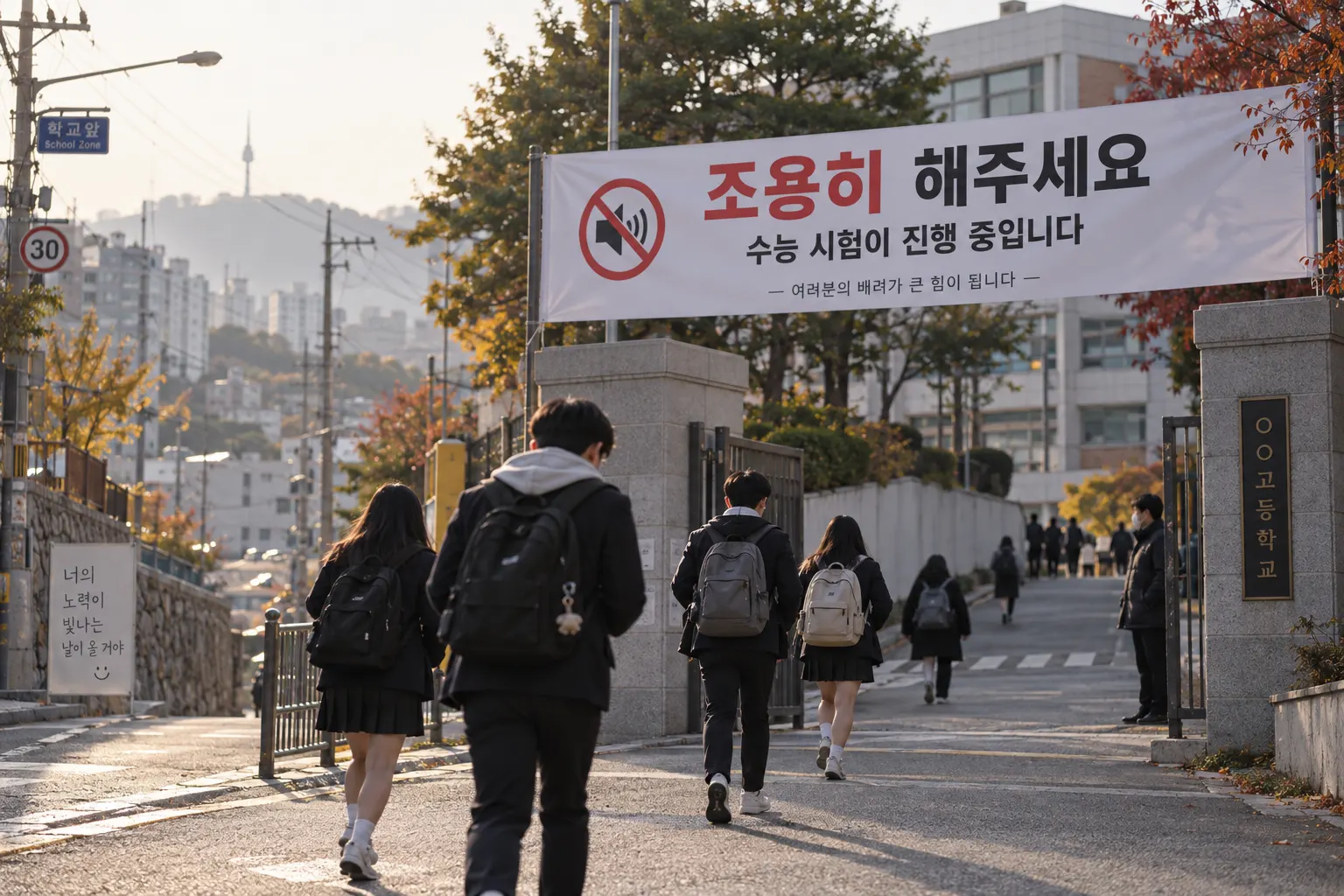
If you have a teenager approaching Korean high school graduation, or you're simply trying to understand why Korean society seems to organize so much around a single exam date each November, the Suneung (수능) college entrance exam represents one of the most significant cultural and social events in Korea's academic calendar, and understanding both the exam itself and the broader system around it helps foreign families navigate Korean education more informedly, whether or not their own children are directly taking this specific exam.
Here's how Korean university entrance exam culture actually works, and what it means for families in Korea.
What the Suneung Actually Is
- The Suneung (대학수학능력시험, College Scholastic Ability Test) is Korea's national standardized university entrance exam, taken on a single designated day each year, typically in November, functioning as the primary, though not sole, admissions criterion for most Korean universities.
- The exam's significance extends well beyond individual test-takers, on exam day, Korea makes genuinely notable societal accommodations, flight schedules near testing centers are adjusted to reduce noise during listening sections, and workplace start times are sometimes shifted to reduce traffic congestion affecting students' ability to reach testing centers on time.
- Understanding this single-day, high-stakes exam culture helps explain much of the broader academic intensity covered in how Korean university semester systems and academic culture work, since years of secondary education build significantly toward this specific exam date for most Korean students.
How This Affects the Broader Academic Calendar and Culture
- Hagwon (private academy) culture, extremely prevalent throughout Korean secondary education, reflects significant investment in supplemental exam preparation, many students attend hagwon extensively alongside regular school, particularly intensifying in the final years before their Suneung exam year.
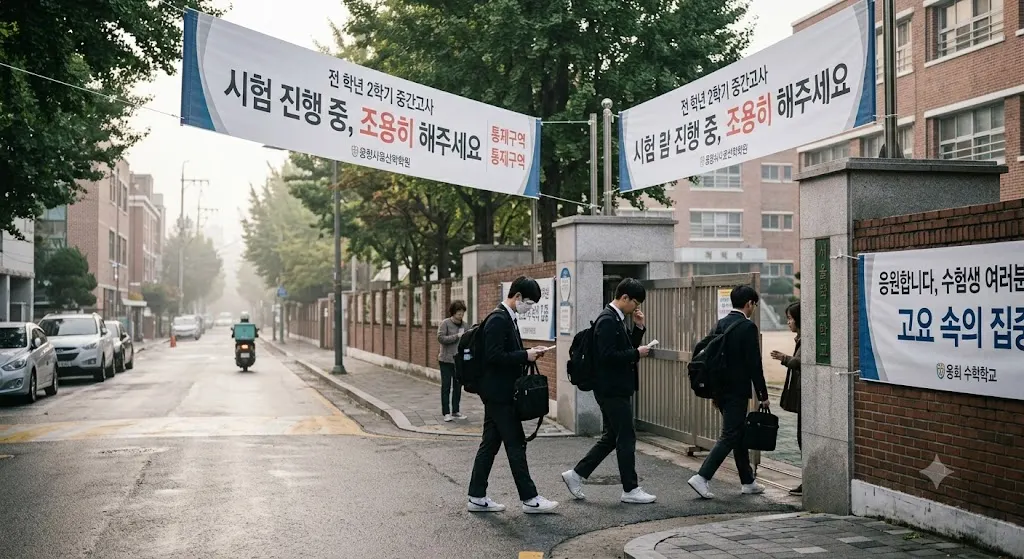
- General public awareness and accommodation of exam-related disruption, noise restrictions near testing centers, adjusted public transit schedules, and even younger students being given priority in certain public transit contexts on exam day, reflects how deeply this single exam has become woven into broader Korean social awareness, not just something relevant only to families with test-taking children.
- University admissions increasingly incorporate additional factors beyond the Suneung alone, school records, essays, and specific university-administered assessments, though the Suneung generally remains a genuinely significant, often primary factor for many university and program admissions pathways.
What This Means for Foreign Families in Korea
- If your child is attending a Korean public school, as covered in how family life and schooling work for foreign parents, understanding this exam-centric academic culture matters for setting realistic expectations about the academic intensity, particularly as your child progresses through secondary education toward this eventual milestone.
- International school students generally follow a different admissions pathway, not directly tied to the Suneung, though understanding this broader Korean academic culture context still provides useful perspective on the overall educational environment and social context your family experiences living in Korea, even if not directly navigating this specific exam pathway.
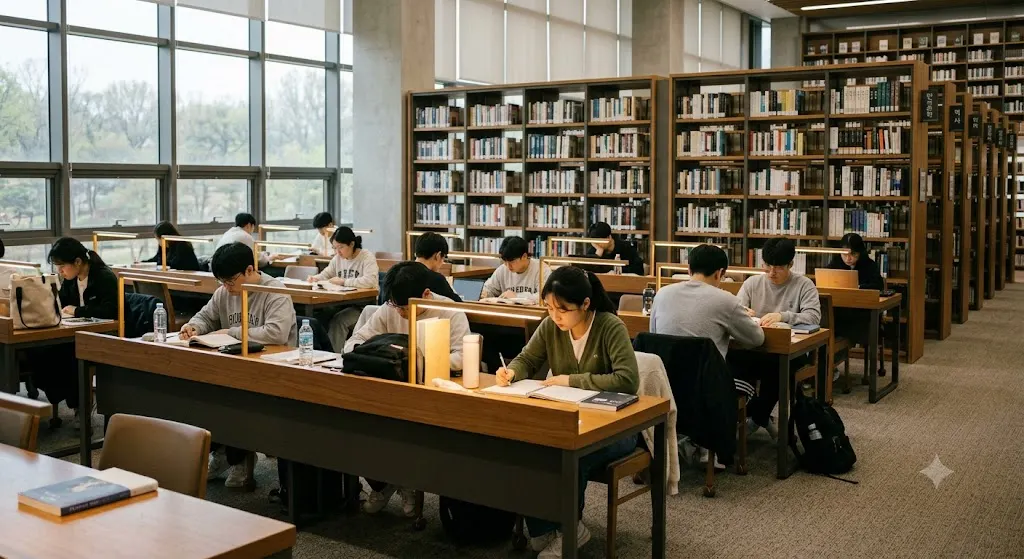
- Understanding the genuine social weight this exam carries helps foreign families interpret various observed social patterns, why certain months see particularly intense study culture visible in public spaces like libraries and study cafes, or why specific public accommodations happen around exam day each November.
Common Misunderstandings Foreign Families Have
A frequent assumption among newly arrived foreign families is either significantly underestimating the genuine intensity and social significance of this exam culture, or conversely, assuming this level of academic pressure applies uniformly and identically to every student and family in Korea without meaningful variation. In practice, while the Suneung represents a genuinely significant cultural touchstone broadly understood and accommodated throughout Korean society, individual family and student experience with this pressure varies considerably, some families and students engage with far less intensive preparation than the most extreme, often internationally publicized examples suggest.
Another common misunderstanding involves assuming this exam-centric system is static and unchanging, in practice, Korean education policy has periodically adjusted admissions criteria and exam structure specifics in response to ongoing public debate about this system's genuine benefits and drawbacks, worth understanding that current specifics may continue evolving rather than assuming a permanently fixed system.
Practical Considerations for Foreign Families Navigating This System
- Understanding your child's actual admissions pathway if enrolled in the Korean public school system, clarifying with school counselors specifically how the Suneung and broader Korean university admissions process applies to your family's specific situation and long-term educational plans.
- Being aware of exam-day social accommodations and disruptions, particularly if you live near a testing center, understanding that November exam day involves genuine, temporary community-wide adjustment that might affect your own daily logistics that day, even if not directly involving your own family.
- Approaching Korean academic culture intensity with informed perspective, neither dismissing it as excessive from an outside cultural viewpoint, nor assuming your own family must adopt the most intensive preparation approaches, but rather understanding the genuine cultural context to make informed decisions appropriate for your specific family's educational goals and values.
Quick Summary
- The Suneung represents Korea's national university entrance exam, taken on a single November date, carrying genuine broad social significance well beyond individual test-takers, with notable public accommodations made around exam day.
- This exam-centric culture significantly shapes secondary education broadly, including extensive hagwon supplemental education culture, though university admissions increasingly incorporate additional factors beyond the exam alone.
- Foreign families with children in Korean public schools should understand this academic culture context for realistic long-term expectations, while international school families follow a different, though contextually related, educational pathway.
- Individual family and student experience with this academic pressure varies considerably, understanding the genuine cultural significance without assuming uniform intensity for every family helps foreign families navigate Korean education with appropriate, informed perspective.