How Family Life and Schooling Work for Foreign Parents in Korea
If you're raising kids in Korea as a foreign parent, or planning to relocate with a family, the school system alone raises a long list of questions that don't have obvious answers from outside the country: public school versus international school, whether Korean fluency is required, and what the actual costs look like once you factor in more than just tuition.
Here's how the main schooling options compare, what foreign families typically choose, and what tends to surprise newcomers.
The Three Main Schooling Paths
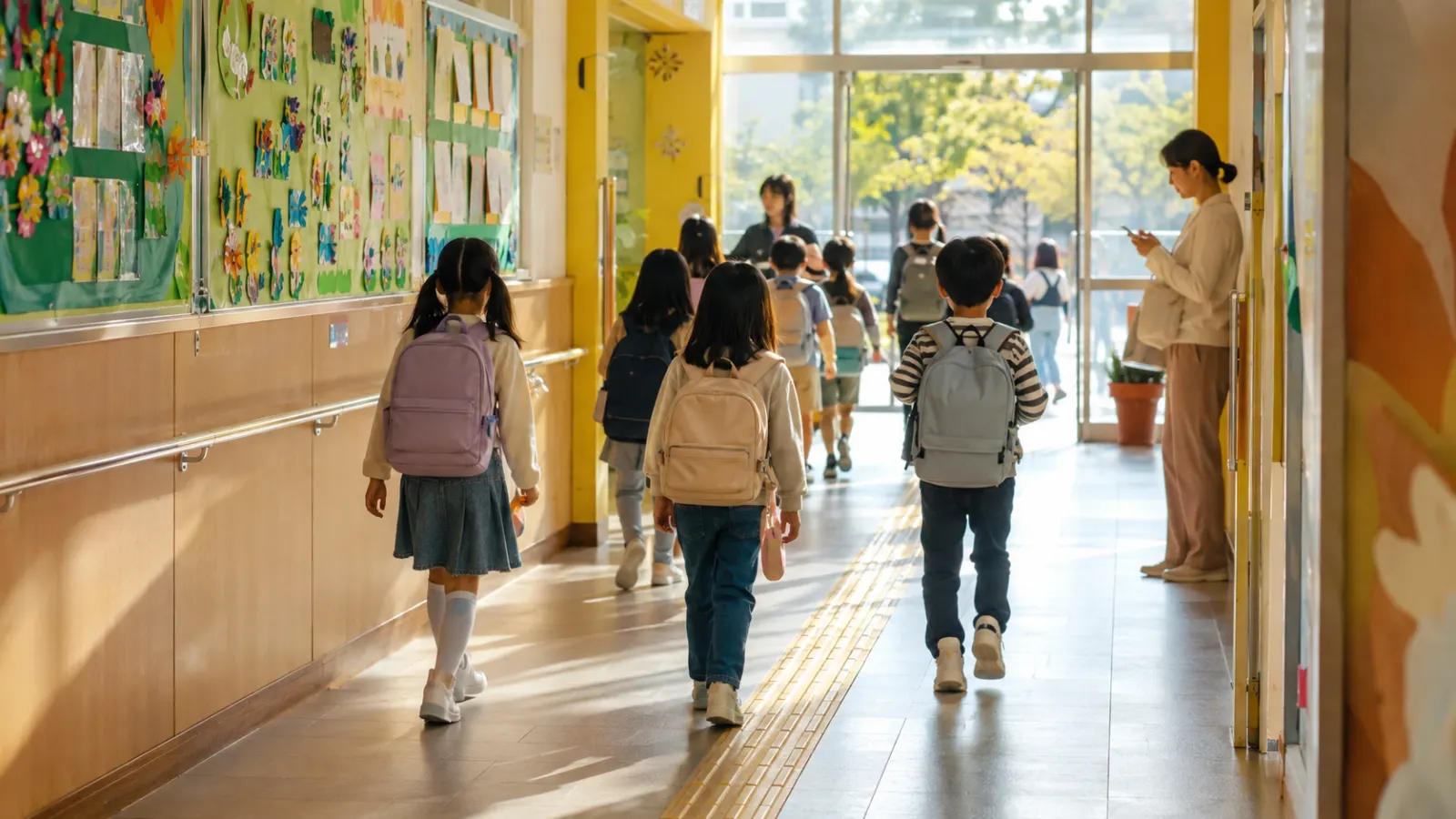
- Korean public schools are free (aside from minor fees for materials and meals) and open to foreign residents' children in most cases, provided you're registered with the appropriate residency documentation. Instruction is entirely in Korean, with limited to no dedicated support for non-Korean-speaking students, varying significantly by district and school.
- International schools teach primarily in English (or occasionally another language, like French or German schools serving specific expat communities) and follow curricula like the International Baccalaureate, American, or British systems. These require significant tuition, often ranging from roughly 20–40 million KRW per year depending on the school and grade level, and admission to certain schools is restricted based on parental visa status or nationality under Korean regulations.
- Korean private schools with international tracks or bilingual programs occupy a middle ground, sometimes more accessible than fully international schools while offering more English-language support than standard public schools, though availability varies significantly by city.
Why International School Admission Isn't Automatic
A common misunderstanding among newly arriving families is assuming international schools are open to anyone willing to pay tuition. In Korea, several major international schools are legally restricted to children who hold foreign nationality, and in some cases, to children of parents on specific visa types, a regulation originally intended to preserve these schools' function for the international community rather than as an alternative for Korean nationals seeking English-language education.
This means:
- Verify a specific school's eligibility requirements early, since they vary by institution and can be stricter than expected.
- Waitlists for popular international schools, especially in Seoul, can be long, applying well before your planned move date matters more than many families expect.
- Some schools require entrance testing or interviews, particularly for older grade levels, which can affect timing if you're relocating mid-school-year.
What Public School Actually Looks Like for Foreign Kids
For families choosing the public school route, either due to cost, a longer-term commitment to living in Korea, or a desire for local integration, a few things matter in practice:
- Younger children generally adapt to the Korean-language environment faster than older children, immersion tends to work more smoothly at elementary age than for a teenager entering mid-way through secondary school.
- Some school districts offer supplementary Korean language classes for foreign or multicultural students, though availability and quality vary significantly, checking with the specific district office before enrolling is worth the effort.
- Registration requires an Alien Registration Card and proof of address, similar to other administrative processes in Korea, and enrollment periods are generally fixed to the March academic year start.
Realistic Costs Beyond Tuition
Even for families choosing public school, additional costs tend to add up:
- Hagwon (private academies) are extremely common in Korea, even among Korean families, and many foreign families end up supplementing public school with hagwon for Korean language support, English maintenance, or general academic reinforcement, costs vary widely but can meaningfully add to a monthly budget.
- School meals and supplies, while not full tuition, aren't entirely free either, and vary by district.
- After-school care and activities, useful for working parents, are widely available but represent an additional line item most newcomers don't initially budget for.
For international school families, tuition is typically the largest cost, but application fees, uniforms, and extracurricular activities can add a meaningful amount on top of the advertised tuition figure.
Common Mistakes Foreign Parents Make
- Underestimating how early to start the international school application process, particularly for well-known schools in Seoul with long waitlists.
- Assuming public school will be manageable without any additional language support, especially for older children, without researching what supplementary resources the specific district actually offers.
- Not confirming eligibility restrictions before falling in love with a specific international school, only to discover a visa or nationality requirement disqualifies your family.
- Overlooking healthcare and family registration steps that often need to happen alongside school enrollment, like updating National Health Insurance dependent status for children.
Quick Summary
- Korean public schools are free and open to most foreign residents' children but offer instruction entirely in Korean with limited language support.
- International schools offer English-language instruction but often have visa or nationality-based eligibility restrictions and substantial tuition, commonly 20–40 million KRW per year.
- Younger children generally adapt more easily to a Korean-language public school environment than older children entering mid-way through their education.
- Many families supplement whichever school path they choose with hagwon or after-school programs, adding to costs beyond tuition or public school fees.