Lifestyle
How Korean Flea Markets and Vintage Shopping Actually Work
By New In Korea TeamPublished Updated
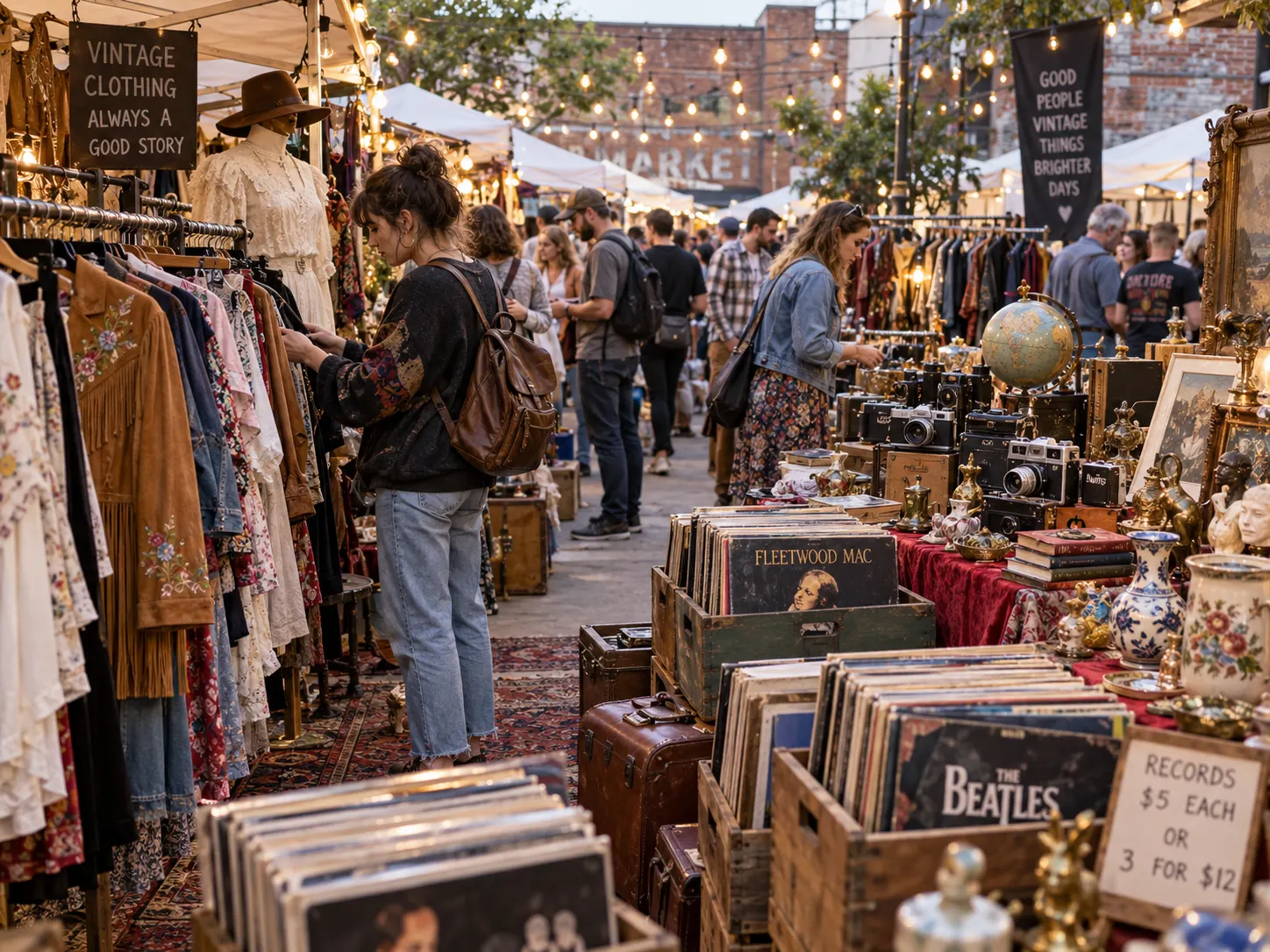
If you've heard about flea markets and vintage shopping districts in Korea and wondered whether they're genuinely worth exploring beyond the secondhand app culture covered elsewhere, or how to actually navigate them as a foreign shopper, Korea's flea market and vintage retail scene offers a genuinely distinct shopping experience from both modern retail and app-based secondhand marketplaces, worth understanding for both the practical bargains and the cultural experience.
Here's how Korean flea markets and vintage shopping districts actually work.
Regular Scheduled Flea Markets
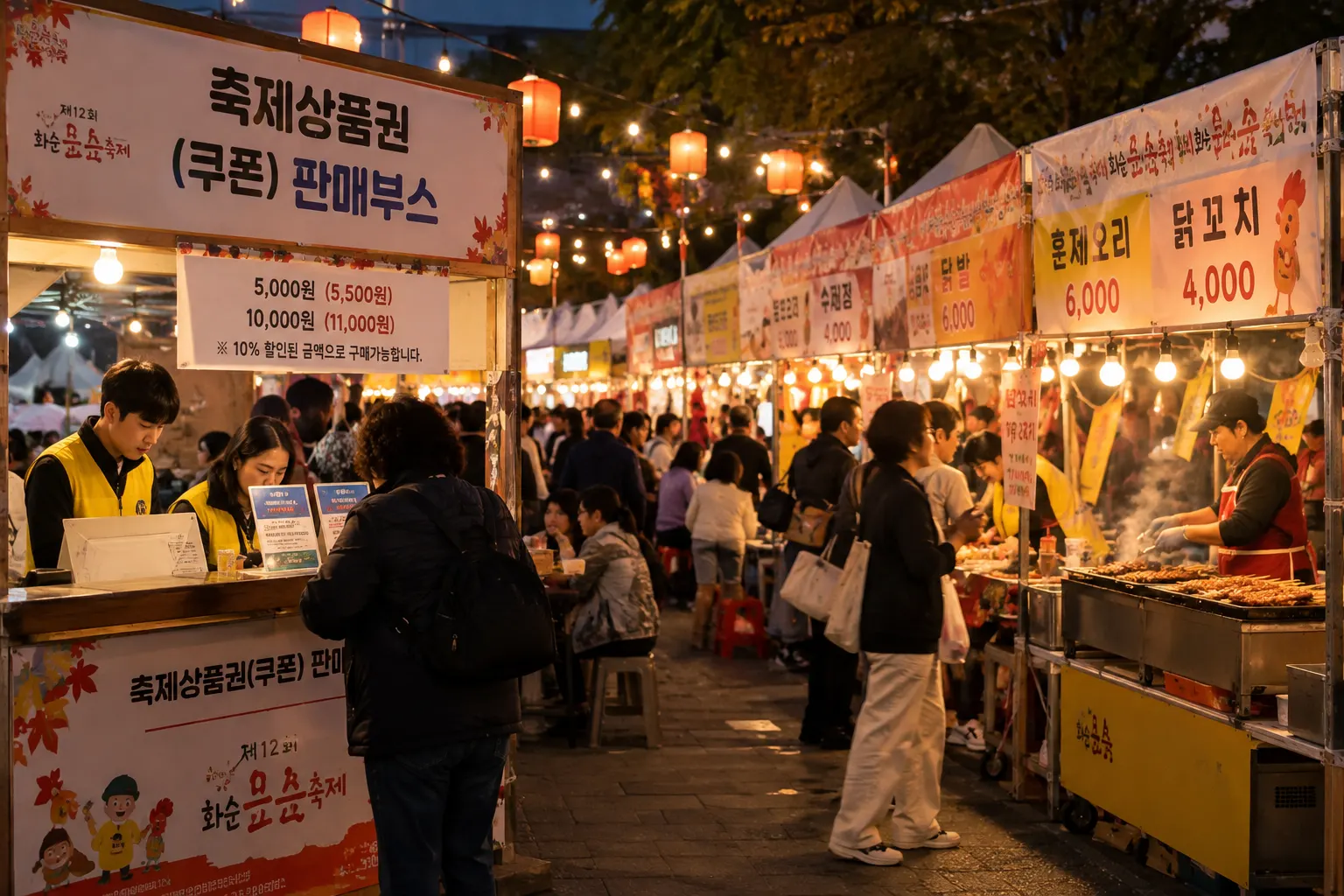
- Several Korean cities host regularly scheduled flea markets, often monthly or on specific recurring weekends, in designated public spaces or parks, bringing together individual vendors selling vintage clothing, antiques, handmade goods, and general secondhand items in a single physical gathering distinct from everyday retail.
- Seoul's Seoul Folk Flea Market and various smaller neighborhood-specific markets represent well-known examples, though specific market schedules and locations can shift, checking current schedules before planning a visit specifically around a flea market matters given these aren't daily, standing retail locations.
- Vendor variety and specialization differs considerably between different flea markets, some lean heavily toward genuine antiques and collectibles, others toward vintage fashion, and some toward a broader general secondhand goods mix, researching a specific market's actual typical vendor mix before visiting helps set accurate expectations for what you'll actually find.
Vintage Clothing Shopping Districts
- Specific neighborhoods have developed concentrated vintage and secondhand clothing retail, particularly areas popular among younger, fashion-conscious Koreans, offering a dedicated vintage shopping experience distinct from both flea market browsing and app-based secondhand purchasing.
- Pricing and negotiation norms at dedicated vintage retail shops generally follow more fixed pricing than flea market vendor stalls, though some negotiation flexibility, particularly for multiple item purchases, remains culturally accepted similar to the broader pattern covered in how traditional markets work.
- Quality and curation vary considerably between different vintage shops, some specifically curate higher-quality or specific-era pieces, commanding correspondingly higher prices, while others offer a broader, more bargain-oriented selection, understanding a specific shop's actual positioning helps you choose appropriately for your specific shopping goal.
Practical Tips for Flea Market and Vintage Shopping
- Bring cash, similar to traditional market shopping norms, smaller individual vendors at flea markets particularly tend to prefer or require cash payment, bringing a reasonable amount avoids finding a specific vendor doesn't accept card payment.
- Arrive earlier for the best selection, particularly at popular flea markets, genuinely desirable items tend to move quickly, arriving close to a market's opening time generally offers better selection than arriving later in the day.
- Inspect items carefully before purchasing, particularly for vintage clothing or antiques where condition significantly affects value, checking for damage, authenticity concerns, or other quality issues before committing to a purchase, since return policies at flea markets and smaller vintage shops are generally more limited than standard retail.
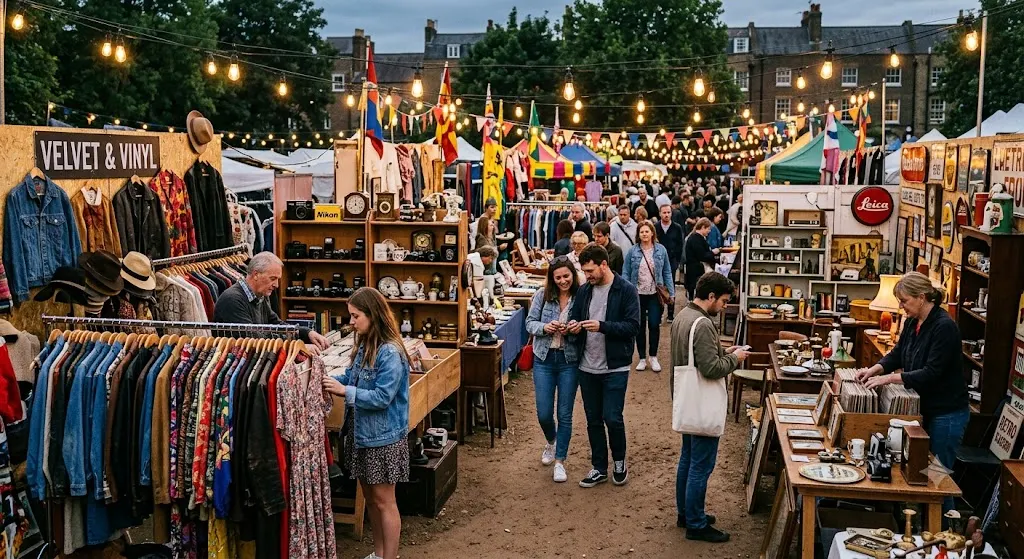
What Makes This Shopping Experience Worthwhile
- Genuinely unique items not available through standard retail or even app-based secondhand marketplaces, flea markets and curated vintage shops often surface specific, unusual pieces with genuine character that broader secondhand marketplace browsing doesn't typically surface as efficiently.
- A cultural and social experience beyond pure shopping, browsing a flea market or vintage shopping district represents a genuinely enjoyable way to spend time, observe local culture, and discover unexpected items, distinct from the purely transactional nature of app-based secondhand shopping.
- Often more affordable pricing for comparable items compared to curated vintage boutiques or antique shops in some other countries, Korea's flea market and vintage scene genuinely offers accessible pricing for many categories of goods.
Common Mistakes and Misunderstandings
- Not checking current market schedules before visiting, since flea markets, unlike standing retail stores, often operate on specific recurring schedules rather than daily availability, arriving without confirming the actual current schedule risks a wasted trip.
- Not bringing sufficient cash, assuming card payment acceptance similar to standard modern retail, when many flea market vendors specifically operate on a cash-preferred or cash-only basis.
- Not inspecting items carefully before purchase, given generally limited return policies at flea markets and smaller vintage shops compared to standard retail, missing quality or authenticity issues that become apparent only after purchase.
- Treating this shopping category as purely a tourist novelty, missing the genuine, ongoing popularity these markets and shopping districts hold among Korean shoppers themselves, approaching it as a legitimate regular shopping option rather than only a sightseeing curiosity.
Quick Summary
- Korea hosts regularly scheduled flea markets, often monthly or recurring weekend events, alongside dedicated vintage clothing shopping districts, both offering a distinct shopping experience from standard retail or app-based secondhand marketplaces.
- Vendor variety and specialization differs considerably between specific markets and shops, researching current schedules and a specific location's actual typical offerings before visiting helps set accurate expectations.
- Bringing cash, arriving early for the best selection, and inspecting items carefully before purchase, given generally limited return policies, represent important practical considerations for this shopping category.
- These markets and shopping districts offer genuinely unique items, a worthwhile cultural and social experience, and often accessible pricing, worth exploring as a legitimate regular shopping option rather than only an occasional tourist curiosity.