How Korean Public Services and Government Apps Work for Residents
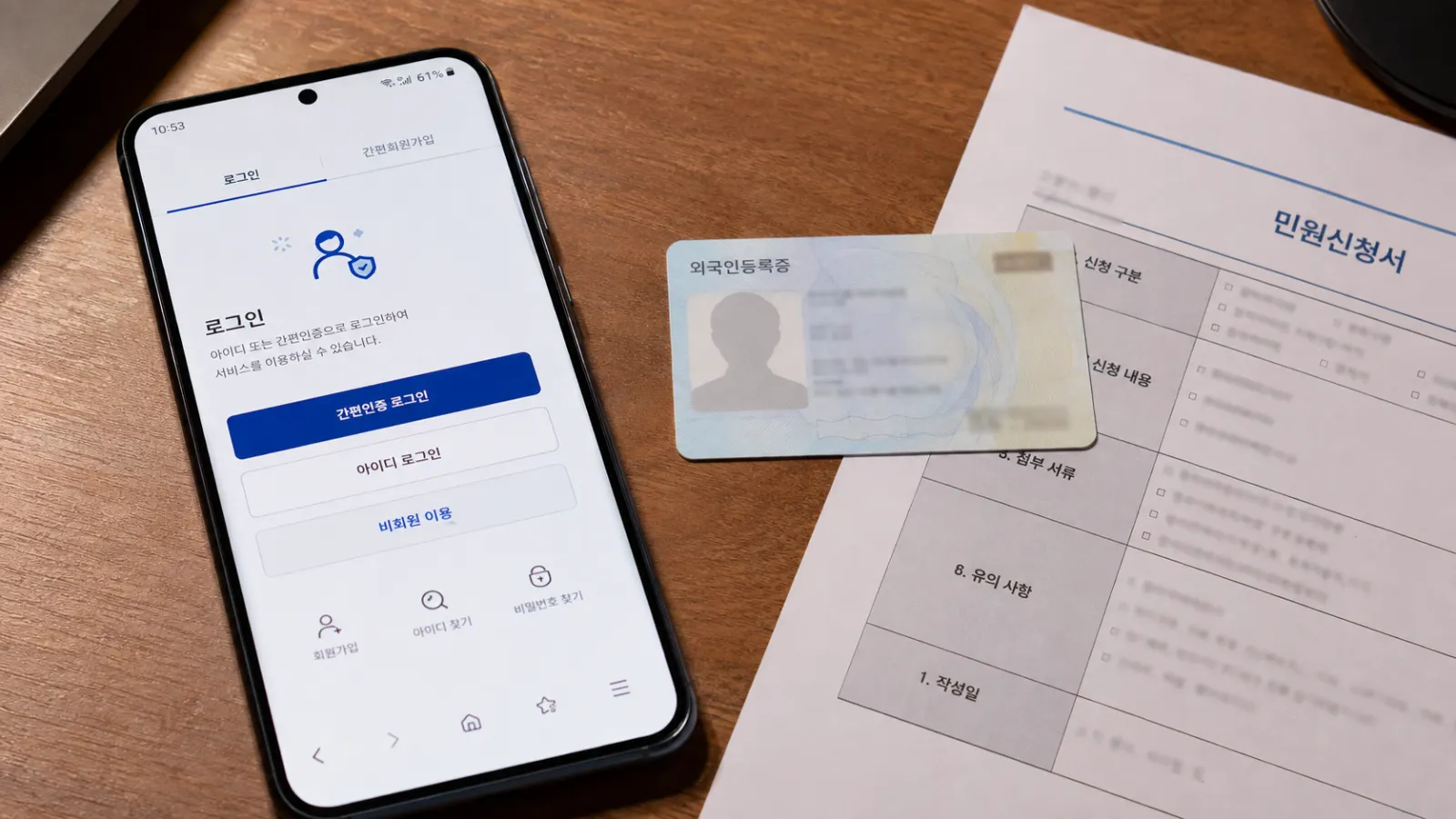
If you've settled into life in Korea and started dealing with anything beyond the basics, renewing a document, checking a fine, applying for a certificate, you've likely encountered Korea's growing ecosystem of government digital services. It's more centralized and more mobile-first than many foreign residents expect, but also comes with its own login systems and verification quirks that aren't always intuitive on your first attempt.
Here's how Korea's main public service platforms actually work, and what foreign residents commonly need them for.
Gov24: The Main Government Services Portal
Government24 (정부24) functions as Korea's central portal for a wide range of civil administrative services, issuing certificates, checking registered information, and submitting certain applications online rather than visiting an office in person.
- Common uses include requesting copies of official documents like your certificate of alien registration details or various administrative certificates, some of which foreign residents may need for banking, housing, or employment purposes.
- Many services require a Korean digital identity verification method, like PASS or a Korean digital certificate, to fully access personalized features, which circles back to the same ARC-and-phone-number infrastructure that underlies much of Korea's digital identity system.
- An English-language interface exists for some sections, but functionality is generally more complete when navigated in Korean, since not every service or form has been fully localized.
Hi Korea: Immigration-Specific Services
Separate from general government services, Hi Korea is specifically the immigration service's online portal, handling visa extensions, status changes, and related administrative processes for foreign residents.
- Registering an account generally requires your ARC number and passport information, and first-time setup sometimes benefits from in-person verification at an immigration office, depending on your visa history.
- Not all visa-related actions can be completed entirely online, more complex changes, like changing visa categories rather than simple extensions, sometimes still require an in-person appointment even after initiating the process digitally.
Hometax: Tax-Related Services
Hometax (홈택스), run by the National Tax Service, handles most tax-related administrative needs, from checking year-end settlement details to filing for freelancers and small business owners.
- For employed foreign workers, Hometax is mostly relevant during year-end tax settlement season or if you need to verify or amend tax records.
- For freelancers or business owners, Hometax becomes a much more regular tool for issuing tax invoices, filing VAT, and managing business registration details.
- Like other government platforms, full functionality often assumes a Korean digital certificate or PASS-based verification, tied back to your ARC-linked phone registration.
Why So Many Services Assume the Same Verification Chain
A pattern becomes clear once you've used a few of these platforms: nearly all of them rely on the same underlying chain, an ARC, a Korean phone number registered under your name, and either PASS or a digital certificate for identity verification. This isn't a coincidence, Korea's public digital infrastructure was built around this centralized real-name verification approach, which is part of why getting your ARC and phone plan sorted early has outsized importance for accessing nearly everything else administratively.
Foreign residents without a postpaid, ARC-linked phone plan often find themselves needing to visit offices in person for services that residents with full digital verification can complete from their phone in a few minutes.
Common Frustrations and How to Work Around Them
- English support is inconsistent across platforms. Some sections are well-translated, others assume Korean fluency, having a translation app ready, or a Korean-speaking contact for occasional help, makes navigating smoother.
- Digital certificates and PASS setup can feel circular for new arrivals, since you often need one government-linked credential to access another, working through the sequence, ARC first, then phone plan, then PASS or digital certificate, resolves most of this over time.
- Session timeouts and browser compatibility issues are a known frustration on some older government platforms, occasionally requiring a specific browser or Korean-language operating system settings to function properly, worth checking a platform's technical requirements if something isn't loading as expected.
- Physical visits still needed for some services, despite the push toward digitization, certain document types or first-time registrations still require an in-person visit, don't assume everything can be completed remotely.
What This Looks Like Once You're Set Up
Once your ARC, phone plan, and identity verification method are all in place, most day-to-day interactions with Korean public services, checking tax records, requesting a certificate, renewing a registration, become genuinely fast and largely digital, often faster than equivalent processes in many other countries. The friction is heavily front-loaded into the first few months of setting everything up, which is part of why the initial administrative sequence matters so much for foreign residents settling into life in Korea.
Quick Summary
- Gov24, Hi Korea, and Hometax are Korea's main government digital service platforms, covering general administrative needs, immigration, and tax matters respectively.
- Most platforms rely on the same verification chain, an ARC, a registered Korean phone number, and PASS or a digital certificate, so setting these up early unlocks smoother access across multiple services.
- English-language support varies significantly by platform and specific service, with Korean-language navigation often more complete.
- Some processes still require in-person visits despite growing digitization, don't assume every administrative task can be finished entirely online.