Lifestyle
How Korean High School Exchange Programs Work for International Students
By New In Korea TeamPublished
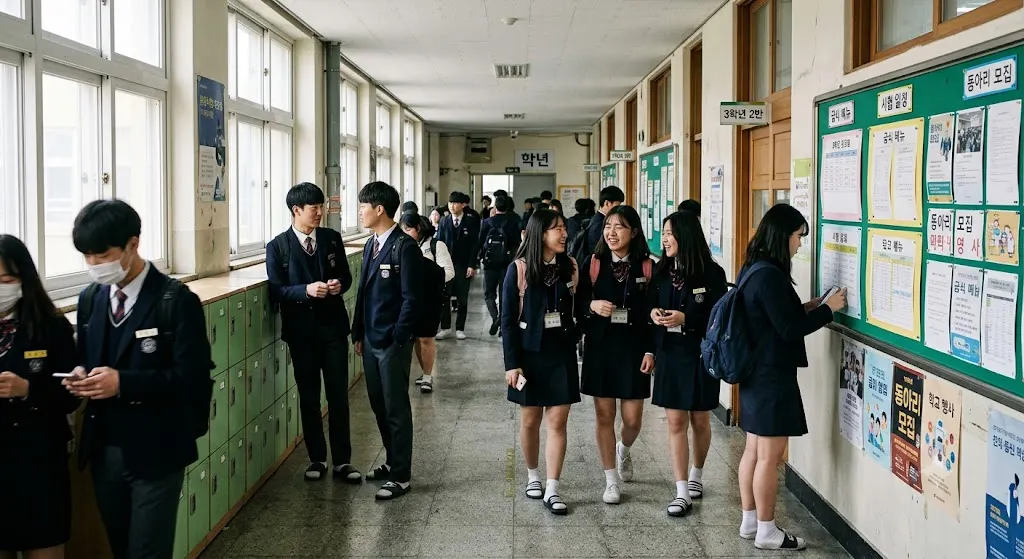
If you're considering a high school exchange program in Korea, or you're a parent researching options for a teenager interested in a semester or year abroad, Korean high school exchange operates through a somewhat different structure than university exchange programs, involving specific visa categories, homestay or dormitory arrangements, and an academic environment considerably more rigorous and structured than many exchange students initially expect.
Here's how Korean high school exchange programs actually work.
Types of High School Exchange Programs
- Formal exchange programs through recognized international exchange organizations (similar to well-known global exchange organizations operating in many countries) place students with a Korean host family and enroll them in a local Korean high school for a semester or full academic year, generally the most structured and commonly used pathway for genuine cultural immersion exchange.
- International schools in Korea, distinct from the Korean public high school exchange pathway, offer another option, particularly relevant for students seeking an English-medium education environment rather than full immersion in a Korean-language public school setting, though this represents a different type of experience than a traditional cultural exchange placement.
- Short-term academic or language immersion programs, generally a few weeks rather than a full semester or year, offer a lower-commitment introduction to Korean high school life, sometimes run directly through specific Korean schools with established international partnership programs.
Visa Requirements for High School Exchange Students
- D-4 (language training) or specific student visa categories generally apply to formal high school exchange participants, the specific visa category depends on the exact program structure and duration, worth confirming the exact required visa type with your specific exchange program coordinator rather than assuming a single universal category applies.
- Minors generally require additional documentation and often a legal guardian arrangement in Korea for the duration of the exchange, formal exchange organizations generally handle this guardian arrangement as part of their program structure, working with a properly established, reputable exchange organization matters significantly for ensuring this legal and safety framework is properly in place.
- Program duration and specific visa validity should align clearly, confirming your specific visa's validity period matches your actual planned exchange duration, rather than assuming automatic extension is straightforward if your plans change.
What Korean High School Life Actually Involves
- Considerably longer school days and more structured academic expectations than many exchange students' home country experience, Korean high school culture generally involves longer school hours, significant homework and after-school study expectations, and often supplementary evening study or hagwon attendance among Korean peers, understanding this intensity before committing helps set realistic expectations.
- School uniforms, standard at the vast majority of Korean high schools, represent a specific daily requirement exchange students should understand and prepare for as part of the program.
- A generally more hierarchical, structured classroom culture than some Western high school environments, including specific student-teacher interaction norms and, at some schools, a notable emphasis on discipline and structured routine that differs from more casual Western classroom dynamics.
Homestay Life and Cultural Adjustment
- Homestay families, arranged through formal exchange organizations, provide daily living support and cultural immersion beyond just the school environment itself, understanding basic Korean household norms, respect for family hierarchy, participation in family meals and activities, helps a homestay placement go smoothly.
- Language barrier challenges are genuinely significant for a first-time exchange student without substantial prior Korean study, most formal exchange programs don't require fluency beforehand but do expect meaningful effort and adjustment over the exchange period, understanding this is a genuine immersion challenge rather than an easy, low-effort cultural tourism experience matters for setting realistic expectations.
- Homesickness and cultural adjustment support, most reputable exchange organizations provide some structured support and check-ins throughout the program, worth understanding what specific support structure your chosen program actually offers before committing.
Common Mistakes Families and Students Make
- Underestimating the academic and cultural intensity of Korean high school life, treating it as a lower-commitment cultural tourism experience rather than the genuinely demanding immersion it actually represents.
- Not thoroughly vetting the specific exchange organization, particularly important given the guardian and safety arrangements required for a minor studying abroad, working with an established, reputable organization matters significantly more here than for adult university exchange programs.
- Not preparing at least basic Korean language foundation before departure, while fluency isn't generally required, some basic preparation meaningfully eases the initial adjustment period compared to arriving with zero language foundation.
- Underestimating visa and legal guardian documentation complexity for a minor, working closely with the formal exchange organization's established process, rather than attempting to arrange this independently, matters significantly for navigating the specific requirements correctly.
Quick Summary
- Formal high school exchange programs, typically through recognized international exchange organizations, place students with a Korean host family for a semester or year, generally the most established and commonly used pathway.
- Specific visa categories and mandatory legal guardian arrangements apply for minor students, working through a reputable, established exchange organization matters significantly for properly navigating these requirements.
- Korean high school life involves considerably longer school days, more structured academic expectations, and school uniforms, understanding this intensity beforehand helps set realistic expectations for prospective exchange students.
- Basic Korean language preparation before departure, though not generally required, meaningfully eases the adjustment period, and thoroughly vetting the specific exchange organization matters significantly given the guardian and safety arrangements involved for a minor.