How to Extend a Visa in Korea Without Leaving the Country
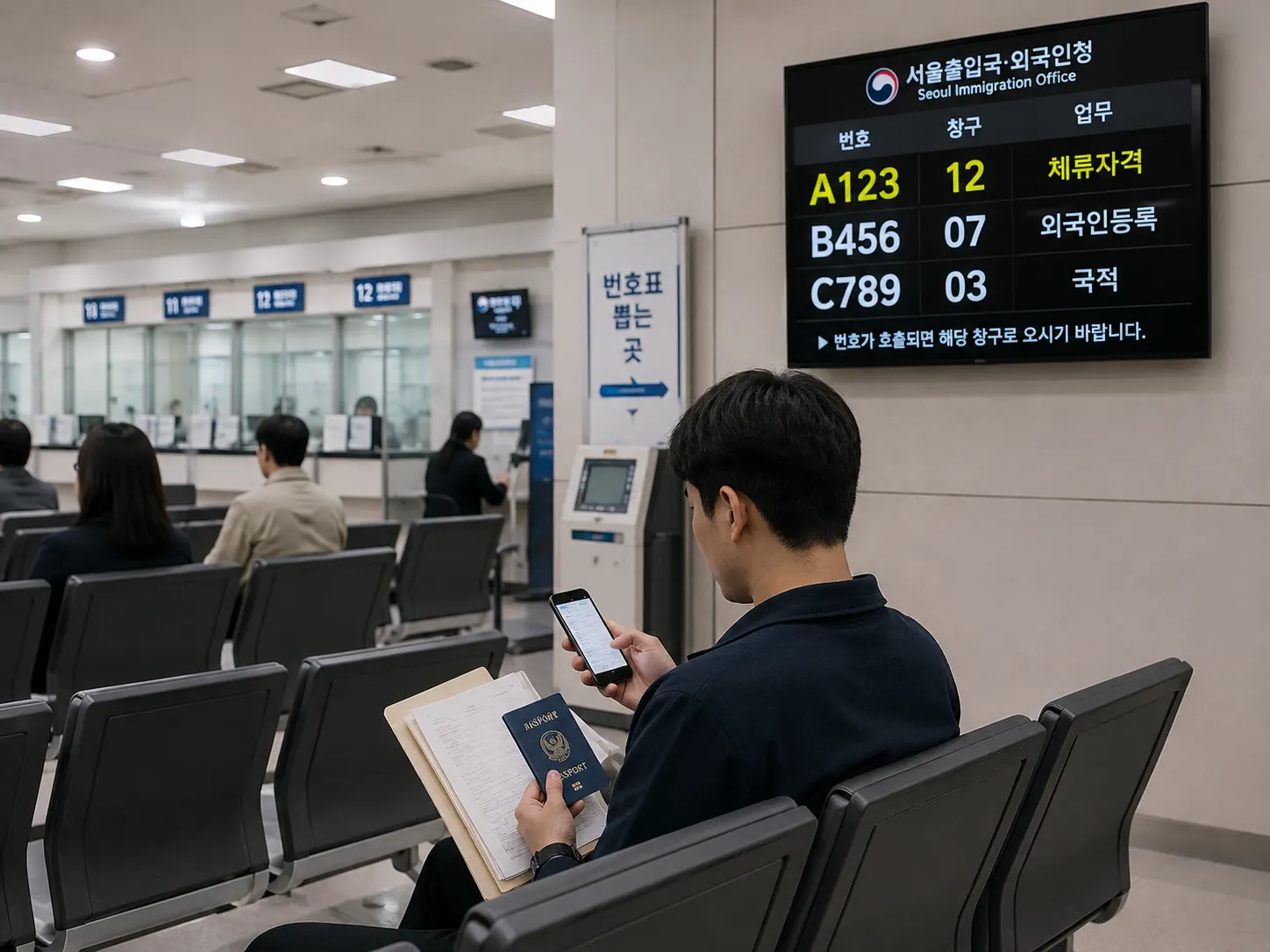
If your visa expiration date is creeping closer and you're not ready to leave Korea, or your circumstances have changed since you first arrived, you don't necessarily need to fly home and reapply. Korea allows most visa holders to extend or change their status without leaving the country, through the Hi Korea system and local immigration offices, but the process has enough specific requirements that waiting until the last minute is a common and costly mistake.
Here's how visa extensions actually work, what documents you'll need, and where people run into trouble.
Who Can Extend Without Leaving
Most long-stay visa categories, including work visas (E-series), student visas (D-2), and residency visas (F-series), can be extended domestically through the Korea Immigration Service, provided your application is submitted before your current visa expires and you haven't violated any conditions of your existing status.
Short-term visas, including many tourist and visa-waiver entries, generally cannot be extended the same way and typically require leaving the country or applying for a status change under specific, limited circumstances. If you're on a short-term entry and want to stay longer for a legitimate reason, like ongoing medical treatment or unavoidable travel disruption, immigration does allow narrow extensions, but these are handled case-by-case, not as a routine option.
When to Start the Process
Korea Immigration generally allows extension applications to be submitted within a window before your visa expires, commonly around 2 months prior, though this varies by visa type. Applying too early is usually not possible, since immigration wants your extension request to reflect your current, active status.
Applying too late is the more common and more serious mistake. If your visa expires before you've filed an extension, you can move into overstay status quickly, which carries real consequences, fines, restrictions on future visa applications, and in more serious or prolonged cases, entry bans. Even a short gap of "meaning to do it next week" has caused real problems for people who miscalculated their deadline.
What You'll Typically Need
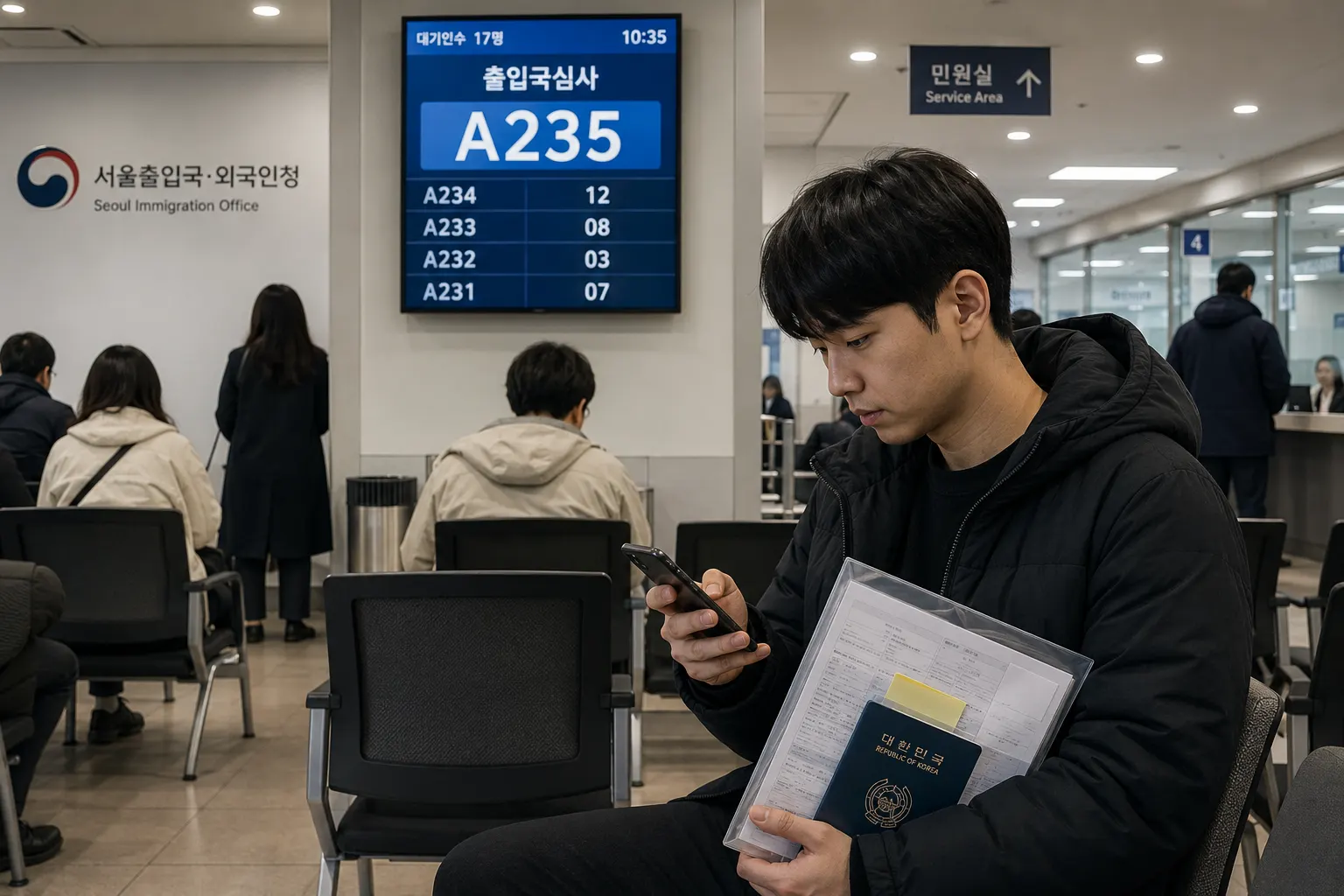
Requirements vary by visa category, but most extension applications require:
- A valid passport and current Alien Registration Card (ARC)
- A completed application form, submitted either online through Hi Korea or in person at your regional immigration office
- Proof supporting your continued eligibility, for work visas this usually means an updated employment certificate or contract; for student visas, proof of continued enrollment; for F-series visas, documentation depends on the specific subcategory
- The extension fee, generally a modest amount (commonly in the range of 60,000–130,000 KRW depending on visa type, subject to change)
- Passport photos and, in some cases, additional supporting documents specific to your situation, like proof of income or a criminal background check for certain categories
Online vs. In-Person Applications
Hi Korea, the government's online immigration portal, allows many extension applications to be submitted digitally, which has significantly reduced the need for in-person visits for straightforward cases. However:
- First-time users need to register an account, which can require an initial in-person visit or additional verification depending on your visa history.
- Certain visa categories or more complex cases (visa changes rather than simple extensions, for example) still require an in-person appointment.
- Processing times vary, sometimes same-day for simple cases, but commonly 1–3 weeks depending on your immigration office's workload and your visa category.
Booking an appointment in advance is strongly recommended for in-person visits, since immigration offices in major cities are often fully booked days or weeks ahead, especially near common renewal periods like the start of academic semesters.
Common Mistakes That Cause Delays or Rejections
- Submitting incomplete employment or enrollment documentation. A vague or outdated employment letter is one of the most common reasons for extension delays.
- Assuming online submission means no further action needed. Some applications require a follow-up in-person visit for biometrics or document verification, even after online submission.
- Not accounting for processing time. Applying two weeks before expiration doesn't leave much room if additional documents are requested.
- Ignoring a change in circumstances. If you changed jobs, schools, or address since your last visa was issued, this generally needs to be reflected and sometimes separately reported before or during the extension process, not addressed for the first time in the application.
What Happens If You Miss the Deadline
If you realize your visa has already expired, the situation isn't automatically unrecoverable, but it requires prompt action. Visiting your immigration office as soon as possible, rather than waiting, generally results in a more favorable outcome than letting overstay time accumulate. Fines typically scale with the length of overstay, and voluntary, early reporting is treated more leniently than being found in overstay status during an unrelated check.
Quick Summary
- Most long-stay visa holders (E, D-2, F-series) can extend their visa within Korea through Hi Korea or their local immigration office, generally starting within about 2 months of expiration.
- Required documents vary by visa type but typically include your ARC, passport, proof of continued eligibility (employment, enrollment, etc.), and an extension fee.
- Applying too close to your expiration date is the most common and costly mistake, since processing can take one to several weeks.
- If you miss your deadline, reporting to immigration proactively as soon as possible results in better outcomes than waiting.