How to Write a Korean Address: A Practical Guide for Foreign Residents and Travelers
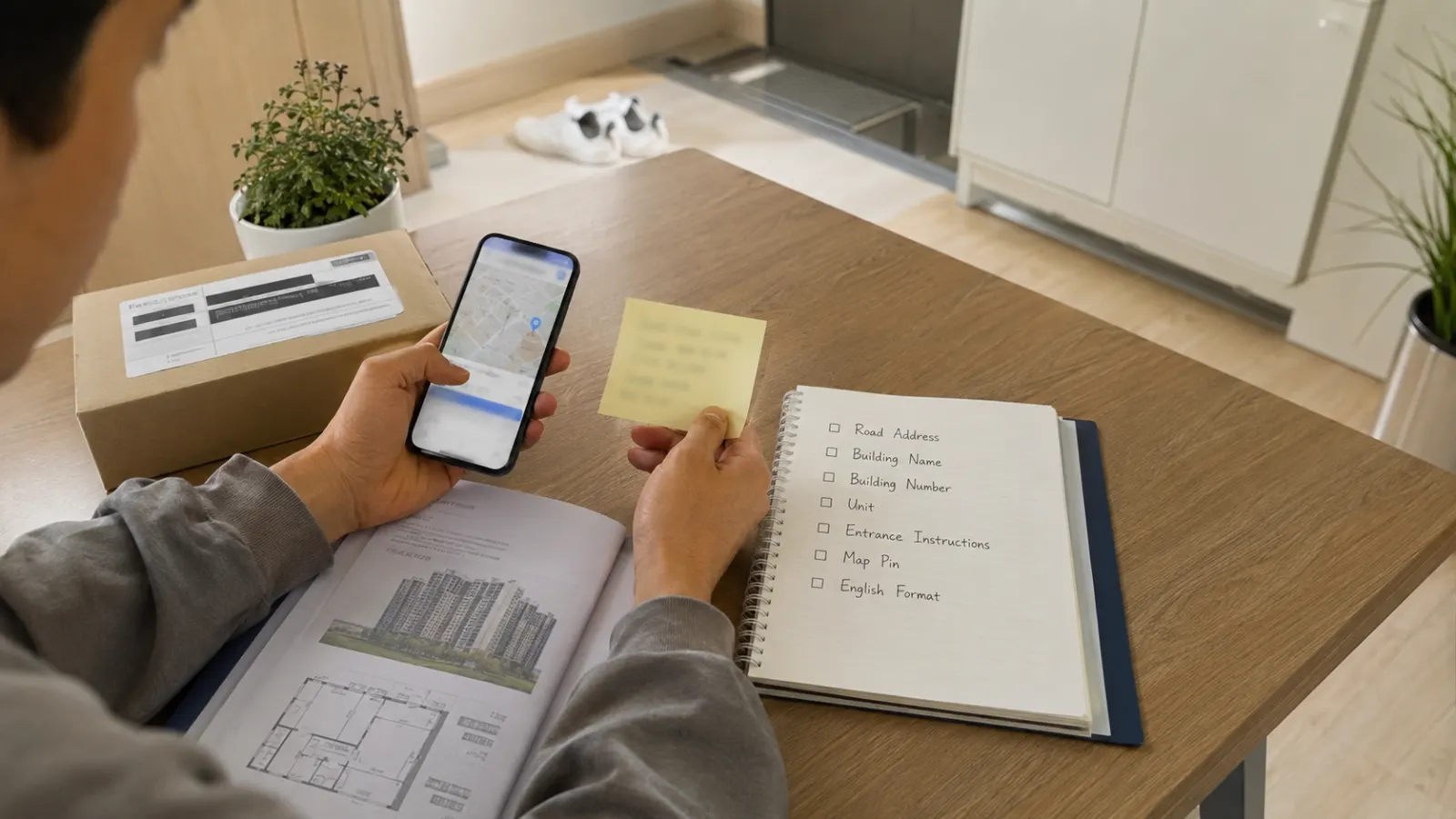
A Korean address can look difficult when it contains a province, city, district, neighborhood, road name, building number, apartment name, building number, and unit number. Foreign residents may also see two different addresses for the same place: a road-name address and an older land-lot address.
Understanding the structure is useful for deliveries, taxis, banking, immigration records, online shopping, emergency calls, and inviting visitors to your home. The safest approach is to save the official Korean version of your address rather than translating each part yourself.
Korea uses more than one address format
The road-name address system is commonly used for official records, navigation, deliveries, and online forms. It is called doro-myeong juso in Korean. An older land-lot address may still appear in property records, local conversations, older business listings, and some map results. This format is often called jibun juso.
Both addresses can refer to the same building, but the words and numbers may look completely different. For example, one version may identify a road and building number, while another identifies a neighborhood and land-lot number. When a form asks for your address, use the road-name version unless the organization specifically requests another format.
The usual order of a Korean address
Korean addresses generally move from the largest area to the smallest. The order may include:
- Province or metropolitan city
- City or district
- Subdistrict or county
- Road name
- Building number
- Building or apartment name
- Building number
- Floor or unit number
- Postal code
A Seoul address may begin with Seoul rather than a province. An address outside a metropolitan city may include both a province and a city or county. Do not remove administrative words simply because they look repetitive. Similar neighborhood and road names can exist in different parts of Korea.
Road names and building numbers
A road-name address usually includes a road ending such as:
- -ro: road
- -gil: smaller road or street
- -daero: major road
- -beon-gil: numbered branch road
The building number usually follows the road name. The numbers may not increase in the same way as ordinary house numbers in another country. They are linked to the building’s position along the road. Do not assume that building 25 is directly beside building 24.
Navigation should use the complete address.
Apartment addresses need additional detail
Large Korean apartment complexes can contain many buildings and hundreds or thousands of homes. The street address may guide a driver only to the complex entrance. A successful delivery also requires the building and unit. Apartment details can include:
- Complex name
- Building number
- Unit number
- Entrance or gate
- Basement parking access
- Delivery instructions
- Resident phone number
A common apartment format might include something equivalent to: Building 103, Unit 1204 In Korean, the building number may be followed by dong, and the unit may be followed by ho.
Do not confuse this use of dong with a neighborhood name. The same Korean word can appear in different address contexts.
Villas, officetels, and studio buildings
A villa or small apartment building may have a road address and a building name that is not easy to see from the street. An officetel may share an entrance with shops or offices. The residential elevator may be in another part of the building. For these properties, save:
- Official road address
- Building name
- Floor
- Unit
- Entrance description
- Door or intercom instructions
- Nearby landmark
A courier or visitor may reach the correct building but still be unable to find the residential entrance. Photograph the entrance from the street and save a map pin.
Postal codes
Korean postal codes contain five digits. Use the postal code connected to the official address rather than guessing from the district. The same neighborhood can contain several postal codes.
Online forms may automatically fill the road address after you search by postal code, road name, or building name. Check the result before saving. A search can return several buildings with similar names.
Writing a Korean address in English
International forms may require an English or Romanized address. The order is often reversed so that the smallest detail appears first and the country appears last. A practical English format can include:
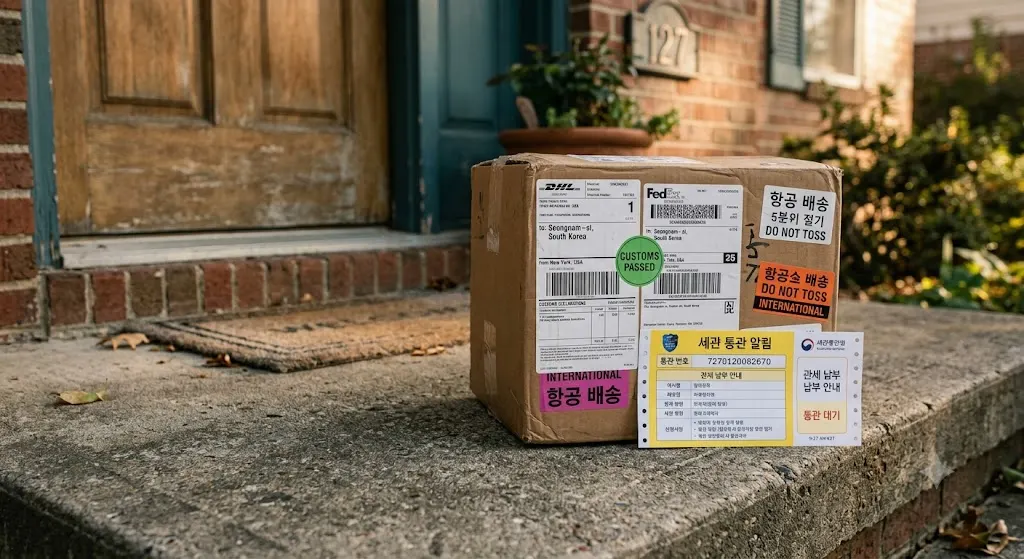
Unit and building, road address, district, city, postal code, Republic of Korea However, international mailing systems and organizations may have their own preferred layout. Do not translate an apartment brand or building name creatively. Use the spelling shown by the building, official address service, lease, or map listing.
Always include Republic of Korea or South Korea for international mail.
Korean spelling is more reliable for local delivery
For domestic delivery, Korean text is usually more reliable than an English-only address. Couriers, restaurants, taxi drivers, and building managers may recognize the Korean address immediately even when they cannot interpret the Romanized version. Save the address in a phone note containing:
- Full Korean road address
- Building name
- Building and unit
- Postal code
- Map link
- Entrance instructions
- Your Korean phone number
This note can be copied into online forms or shown to a driver.
Addresses in Korean shopping apps
Korean shopping and delivery apps often use an address-search window. A common process is:
- Search the road name or postal code.
- Select the correct building.
- Enter the detailed address separately.
- Add building access instructions.
- Save the recipient name and phone number.
The first address field may contain only the official road address. The second field is where you enter the apartment building, unit, floor, or room. If you place the unit only in a delivery memo, the courier’s printed label may be incomplete. Enter it in the detailed-address field whenever available.
Building access information
Many Korean residences use:
- Shared entrance code
- Security desk
- Intercom
- Smart key
- Resident call
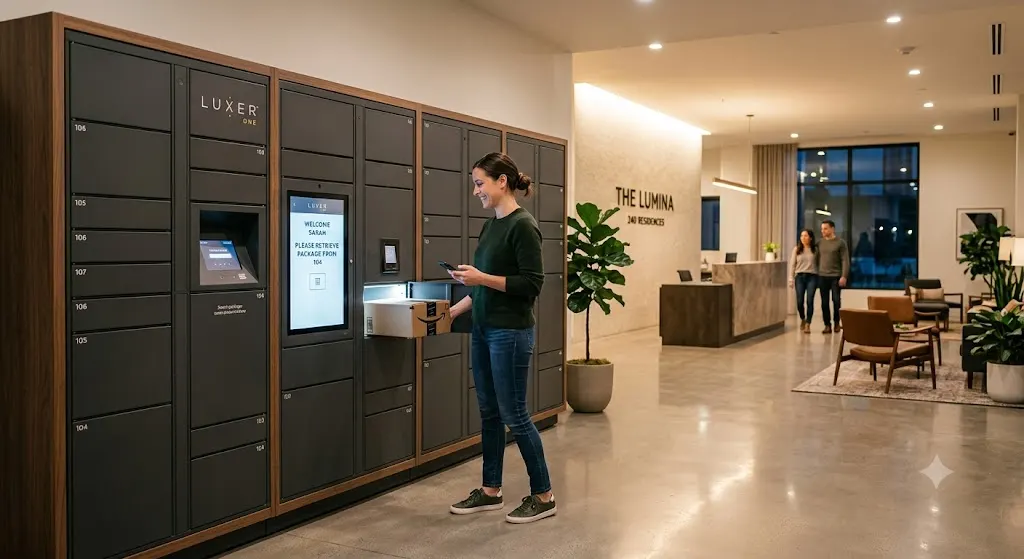
- Parcel locker
- Restricted elevator access
Do not publish a permanent building code in a public review or social-media post. When an app stores entrance instructions, check who can view them and delete outdated information after moving. For high-security buildings, ask the management office how deliveries should be handled.
Taxi and navigation use
A taxi driver may understand the building name better than the street address, or the road address better than an English hotel name. Prepare both. For a destination with several entrances, save the exact entrance or parking location rather than only the main building address.
This is especially important for:
- Hospitals
- Universities
- Large apartment complexes
- Shopping malls
- Exhibition centers
- Train stations
- Parks
- Government buildings
A correct address can still lead to the wrong side of a large property.
Emergency situations
When calling emergency services, provide the location before explaining the full situation. Useful information includes:
- Road-name address
- Building name
- Building and unit
- Floor
- Entrance
- Nearby landmark
- Phone number
Keep your address saved in Korean where it can be accessed quickly. Children, roommates, and visitors should also know how to find it. Do not rely only on a map pin because the call handler may need text information and building access details.
Updating your address after moving
Changing your home does not automatically update every organization. You may need to update your address with:
- Immigration-related records
- Bank
- Employer
- School
- Insurance
- Mobile carrier
- Tax records
- Online shopping services
- Subscription providers
- Delivery apps
Remove the old address from saved checkout profiles. An accidental delivery to a previous home can expose private documents or create difficulty recovering expensive goods.
Common mistakes
Foreign residents often:
- Use only the apartment name
- Forget the building or unit number
- Enter the neighborhood instead of the road address
- Translate the address manually
- Choose a building with a similar name
- Use an old postal code
- Save the complex entrance instead of the correct building
- Leave an old entrance code in an app
- Assume address changes update every service
- Provide only an English address to a local courier
A complete Korean address reduces most of these problems.
A practical address card
Create a note using this structure:
- Korean road address
- English address
- Postal code
- Building name
- Building and unit
- Entrance instructions
- Nearest landmark
- Map link
- Phone number
Keep one version for ordinary deliveries and another version without private entrance details for people you do not know well.
Quick Summary
- Korea commonly uses both road-name and older land-lot addresses.
- Domestic deliveries work best with the full Korean road address plus building and unit details.
- Large properties may require a specific entrance or map pin in addition to the official address.
- Update saved addresses and access instructions after moving.