How K-drama Filming Location Visits Actually Work in Korea
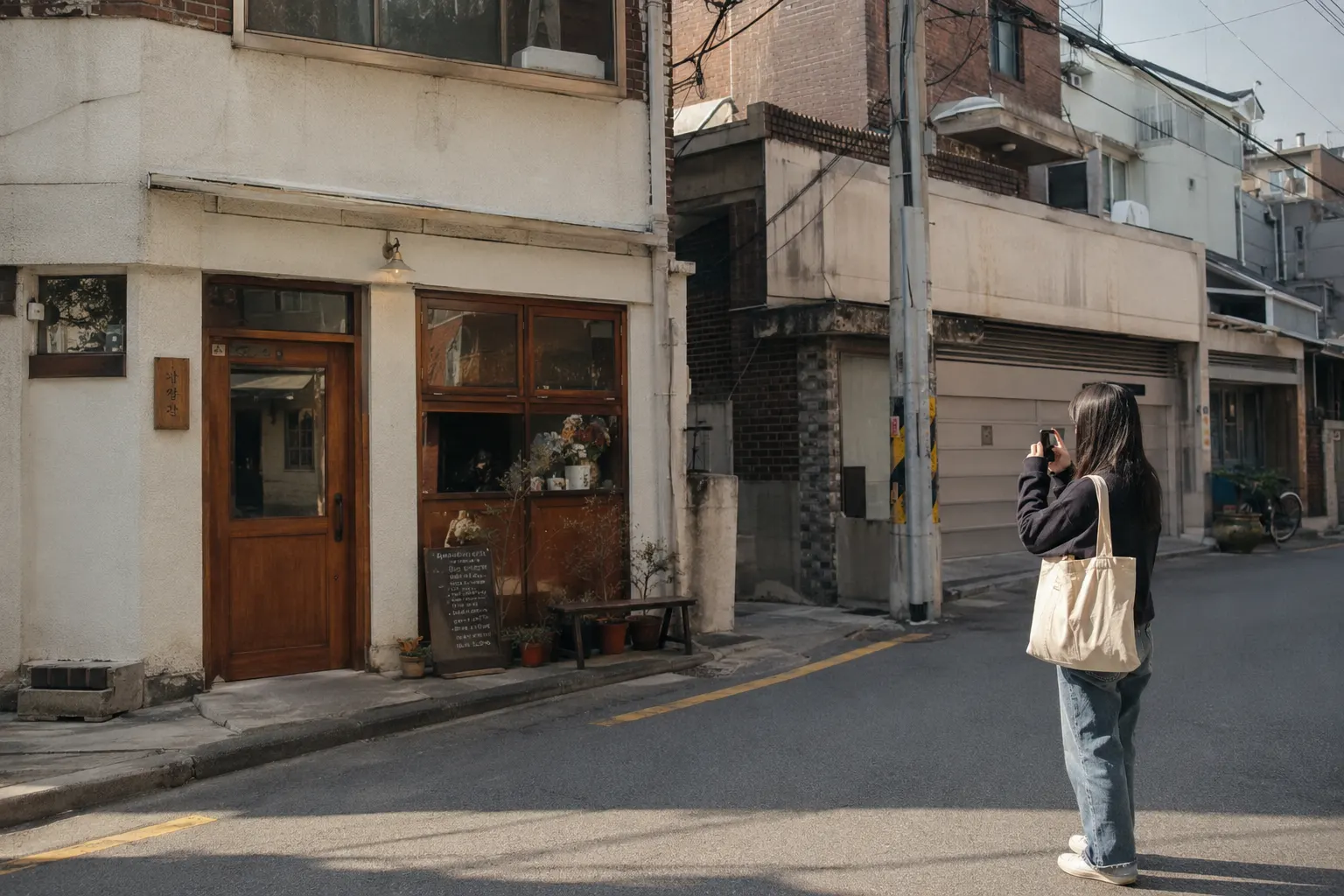
If a K-drama scene inspired you to track down the actual filming location, only to arrive and find a regular residential street, a closed set, or no clear indication the show was ever filmed there, you're not alone. Korea has genuinely become a filming-location destination for international fans, but the reality of visiting these spots is considerably less polished than the curated photos suggest, and knowing what to actually expect saves a frustrating detour.
Here's what visiting K-drama filming locations in Korea actually involves, and how to plan a visit that doesn't end in disappointment.
Most Filming Locations Are Ordinary, Functioning Places
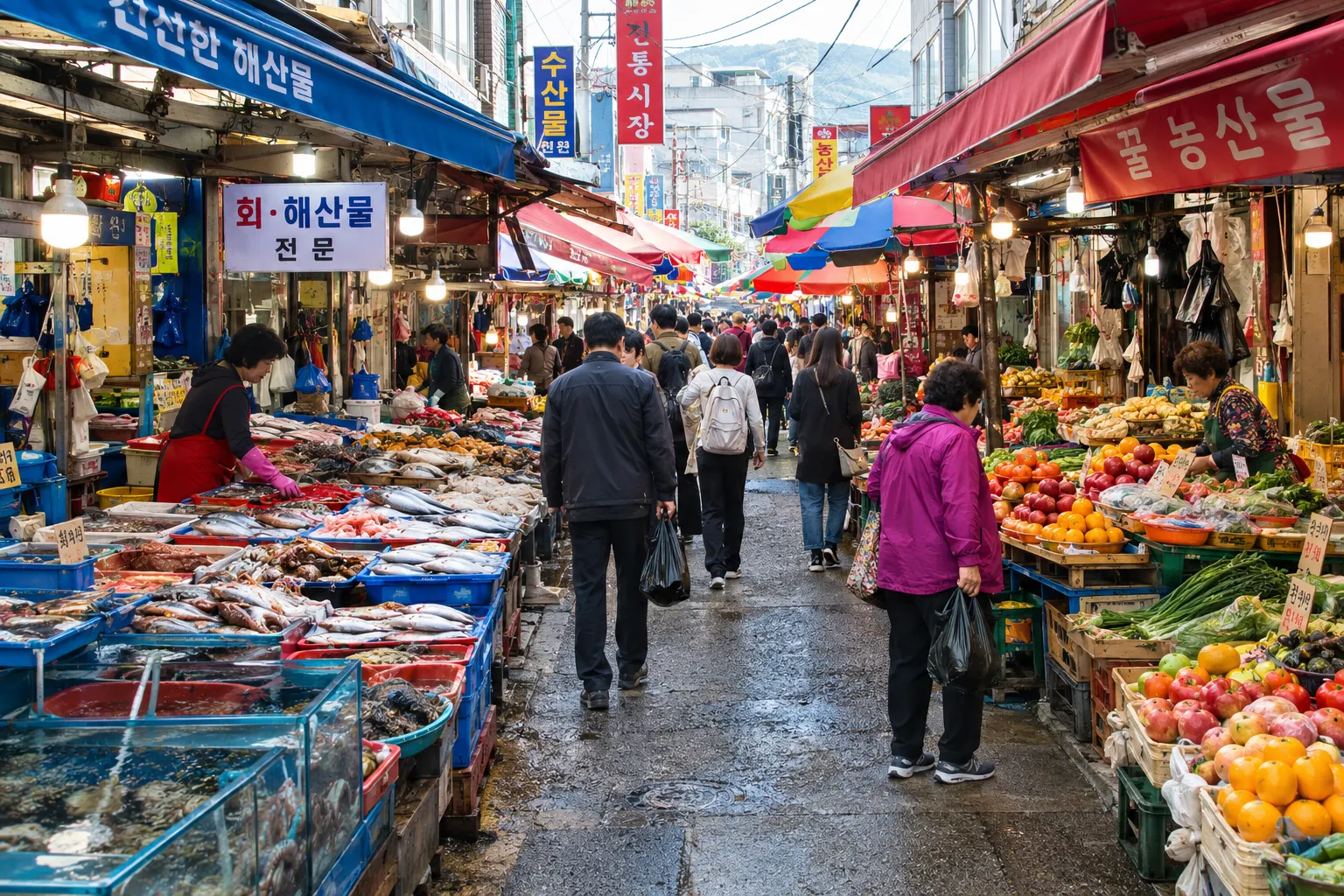
A frequent misunderstanding among fans planning a visit is expecting a dedicated tourist site, similar to a movie studio tour, at every filming location. In reality, the vast majority of K-drama filming spots are ordinary cafes, streets, schools, or private buildings that happen to still be operating as regular businesses or residences, not attractions built or maintained for visitors.
- Cafes and restaurants that appeared in a popular drama sometimes lean into the association, adding a small sign or themed menu item, but many others simply continue operating normally without acknowledging the connection at all.
- Private residences and closed sets used for interior shots are frequently not accessible or intended for visitors at all, the exterior shown on screen may not even be the same location as the interior scenes filmed on a soundstage elsewhere.
- Public locations (streets, parks, transit stations) are the most reliably visitable, since they remain open to the public regardless of their drama appearance, but often look considerably less dramatic in person without the show's specific camera angles, lighting, and editing.
Checking Before You Go
- Verify the location is still accurate and current before planning a special trip, cafes and small businesses close or change relatively often in Korea, and outdated location lists circulating on fan sites or social media sometimes point to places that no longer exist or have changed significantly.
- Check whether the location has specific visiting hours or restrictions, particularly for businesses that have become popular due to drama tourism, some now have posted rules around photography, purchase requirements to sit or take pictures, or specific designated photo areas.
- Consider whether the visit is worth a dedicated trip or better as a stop along an already-planned route, many locations are more satisfying as a brief stop while doing other things in the same neighborhood, rather than as the sole purpose of a special trip.
Managing Expectations for Popular Spots
- Crowding at especially popular locations has become a real consideration, some cafes or spots featured in major hit dramas have seen enough fan traffic that lines, reservation systems, or photography restrictions have been implemented specifically in response.
- Local resident impact is worth being mindful of, particularly for filming locations in residential neighborhoods, some communities have expressed frustration over noise, foot traffic, or property intrusion from fans visiting these areas, being respectful of the fact that these are people's homes and neighborhoods, not designed attractions, matters for maintaining goodwill.
- Photography etiquette generally means avoiding photographing private residences up close or in a way that shows identifiable details of people's homes, sticking to public-facing exteriors and publicly accessible areas is the more considerate approach.
Planning a Realistic Itinerary
- Cluster locations by neighborhood rather than trying to visit scattered spots across the city in one day, Korea's cities are large enough that filming locations from a single drama can be spread across considerable distances.
- Combine location visits with genuine neighborhood exploration, since many filming locations sit in areas worth visiting on their own merits, cafes, small shops, and local dining, rather than treating the drama connection as the only reason to be there.
- Have a backup plan if a location has changed or closed, checking recent visitor reports or reviews shortly before your visit reduces the chance of a wasted trip to a spot that no longer resembles what appeared on screen.
Common Mistakes Fans Make
- Relying on outdated location lists without checking recent confirmation that a business or accessible spot still matches what's listed.
- Expecting a curated, attraction-like experience at what is often just a regular, functioning business or public street.
- Not budgeting enough time or transit planning between multiple locations that seem close on a list but are actually a significant distance apart in a large city.
- Overlooking local etiquette and resident impact, particularly in residential areas, being a considerate visitor matters for maintaining these locations as pleasant, unrestricted places to visit long-term.
Quick Summary
- Most K-drama filming locations are ordinary, still-functioning businesses or public places, not dedicated tourist attractions, and expectations should be adjusted accordingly.
- Checking that a location is current and confirming any specific visiting rules before a trip avoids wasted effort on outdated or inaccurate location lists.
- Popular locations sometimes have crowding, photography restrictions, or community frustration from fan traffic, being respectful of residents and local businesses matters.
- Clustering location visits by neighborhood and combining them with genuine local exploration tends to produce a more satisfying trip than treating each site as an isolated checklist item.