How Korean Seasonal Festivals Calendar Works for Planning Your Year
If you're trying to plan a year in Korea, it helps to know that the calendar runs on a mix of public holidays, seasonal festivals, and traditional events. A Korean festival calendar for foreigners comes down to a handful of big dates that affect transport, prices, and closures, plus seasonal events worth planning around. Knowing them in advance avoids booking surprises.
Dates for many events shift each year, so confirm them before you commit.
The Quick Answer: The Dates That Matter Most
- Seollal (Lunar New Year): late January or February, a multi-day holiday when many businesses close and transport sells out.
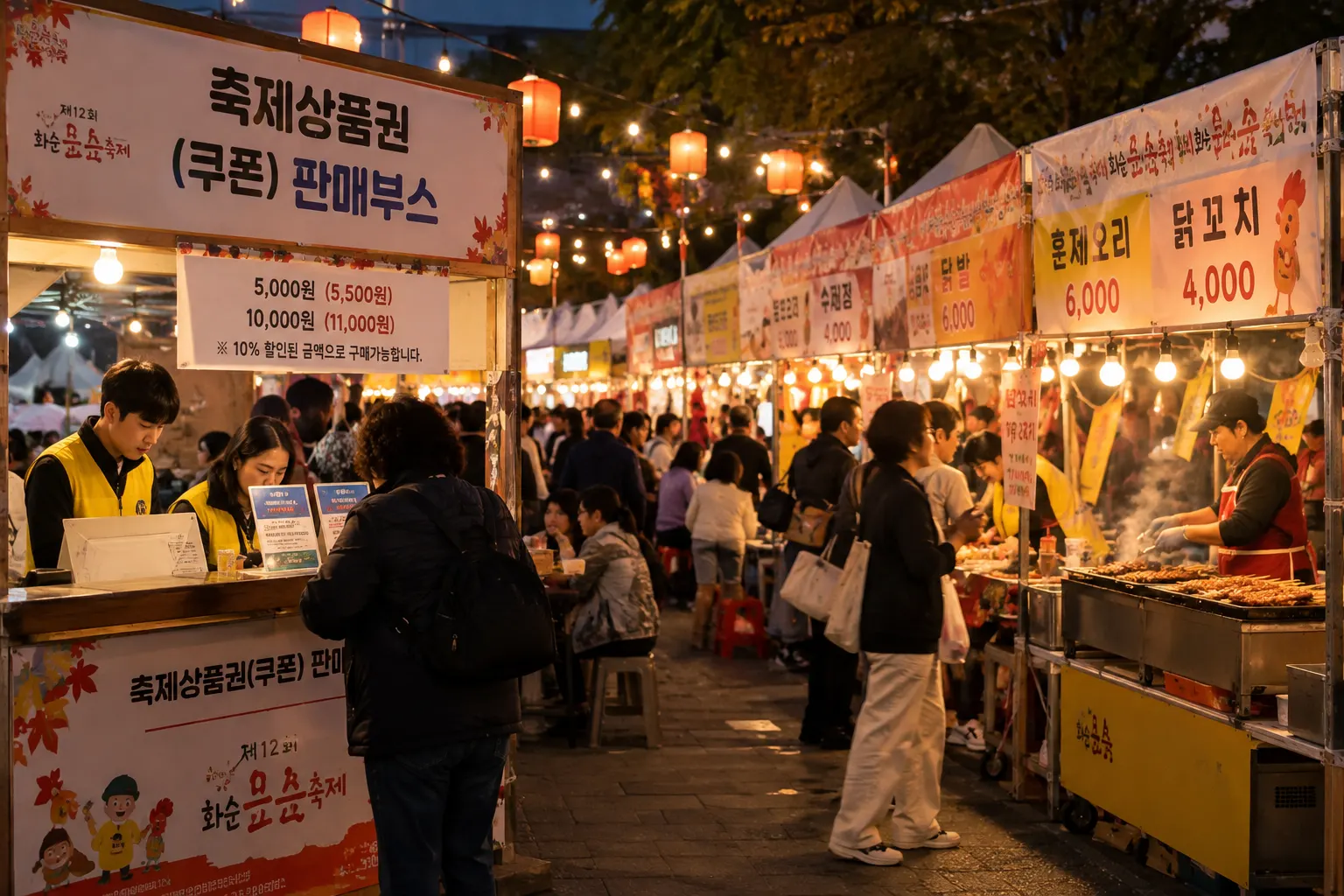
- Chuseok (harvest festival): September or October, another multi-day holiday with heavy travel, as covered in the KTX and bus guides.
- Buddha's Birthday: spring, with lantern displays at temples.
- Children's Day, Memorial Day, Liberation Day, and National Foundation Day: public holidays that can create long weekends.
Both Seollal and Chuseok follow the lunar calendar, so their dates change each year. Check the official holiday calendar when planning.
Seasonal Highlights
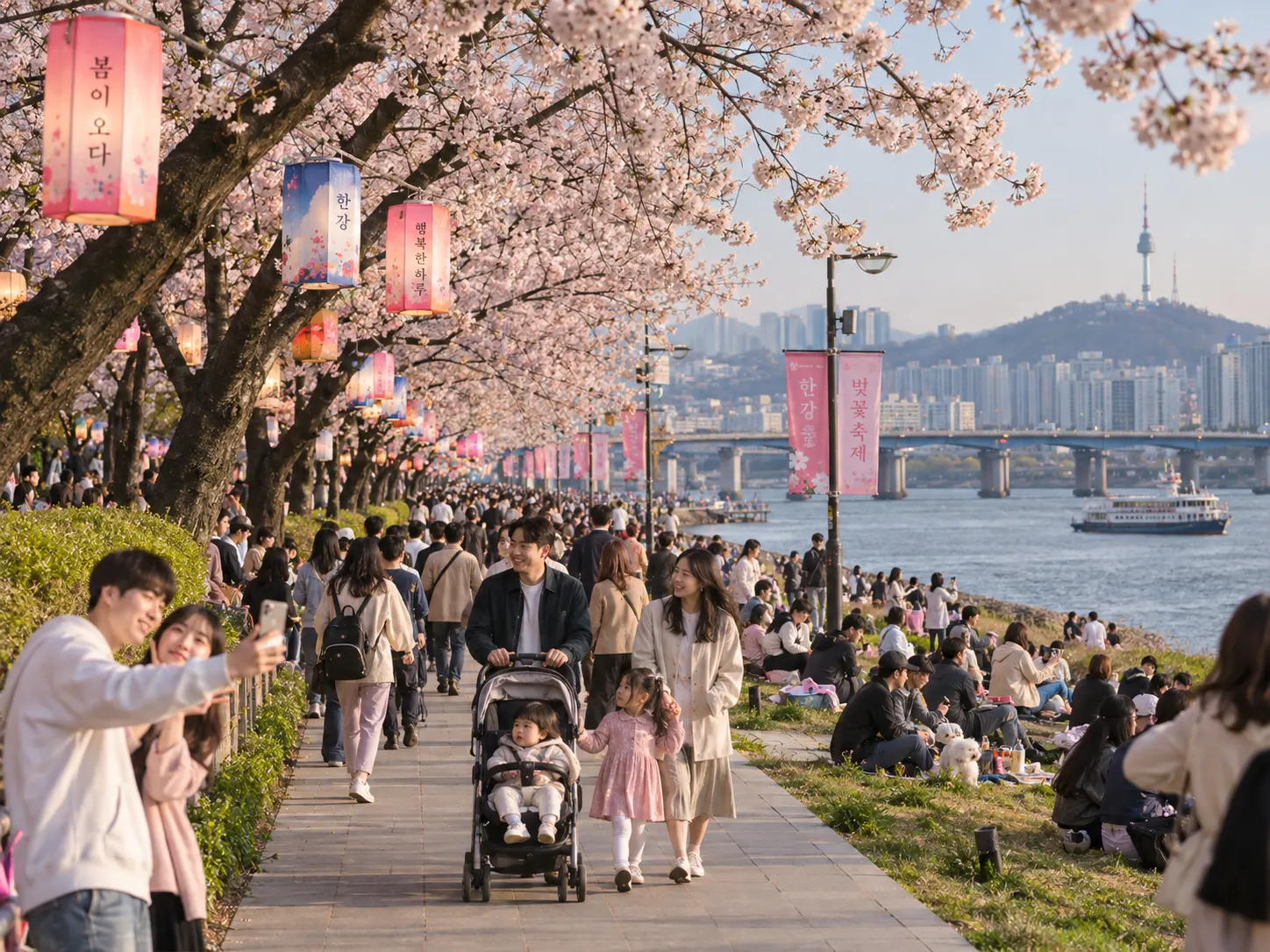
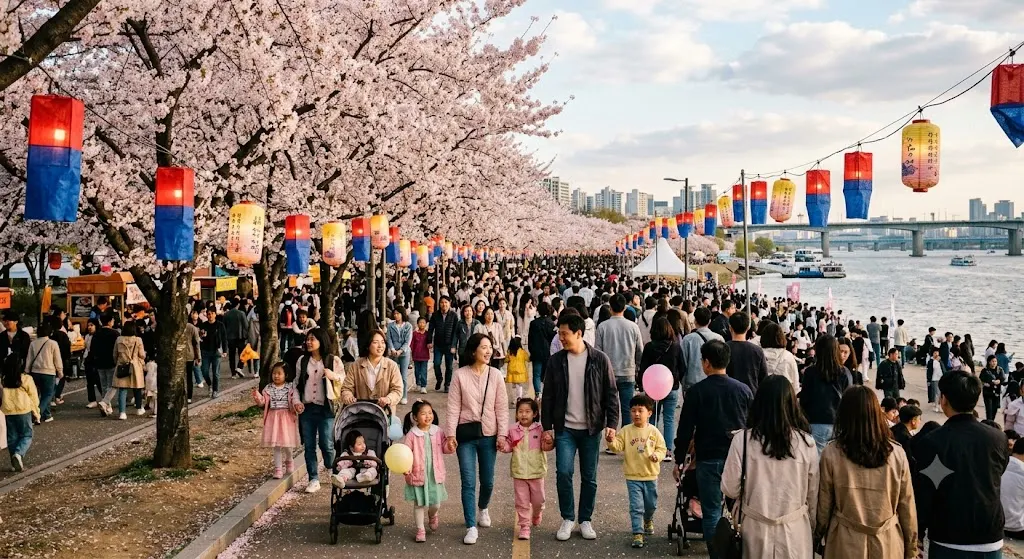
Spring: cherry blossoms usually bloom in late March to April, with timing varying by region and year. Festivals in places like riverside parks draw crowds, so go early or on weekdays.
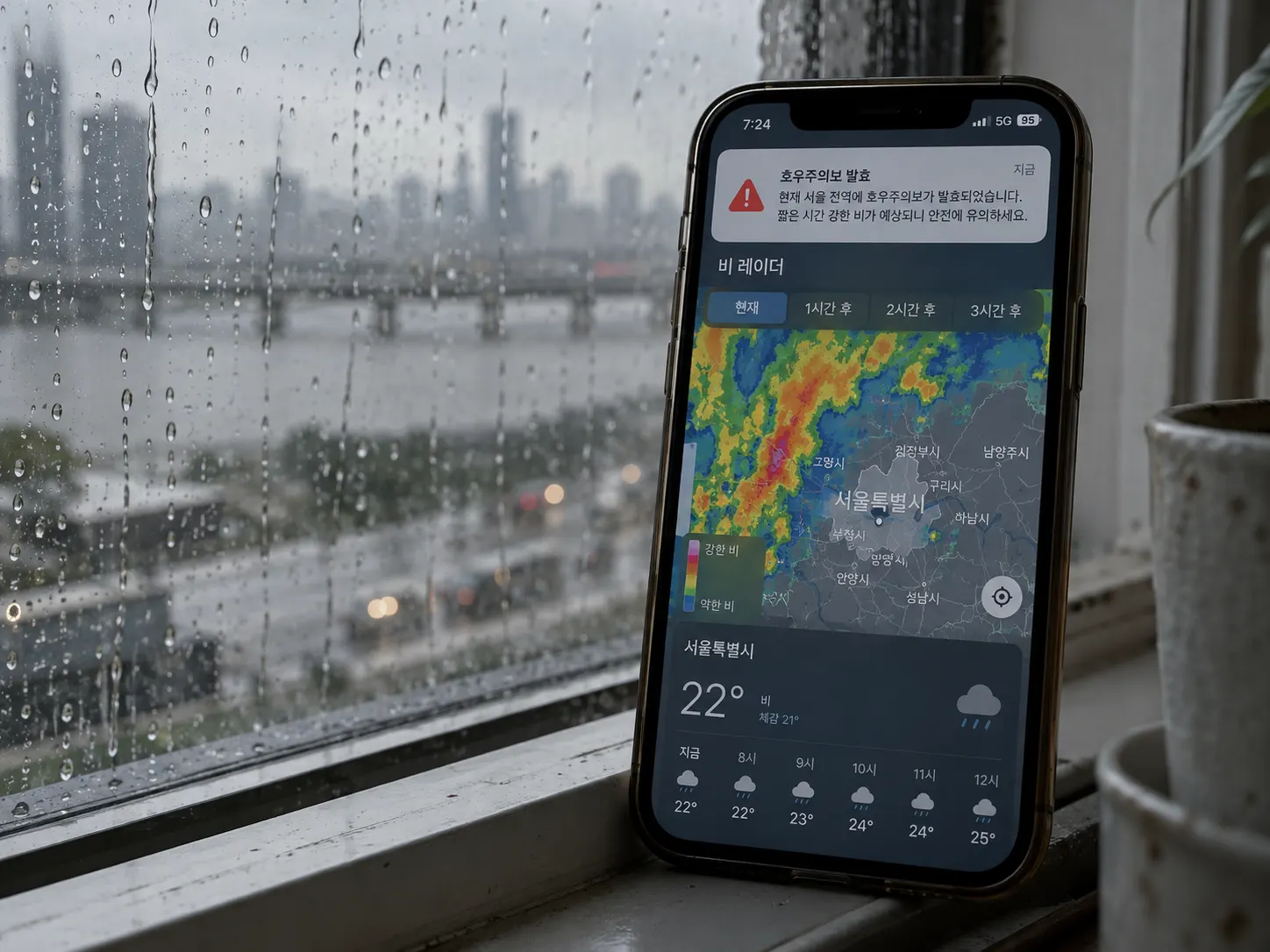
Summer: the rainy season arrives around late June to July, followed by heat and humidity. Beach festivals and music events are common, and travel is busy around early August. Autumn: often the most comfortable season, with colorful foliage in mountains and parks from October to early November. Chuseok falls early in the season some years.
Winter: cold and dry, with ski resorts, ice festivals, and illuminated displays in cities. Christmas and year-end events are popular in Seoul and major cities.
How Holidays Affect Daily Life
On major holidays:
- Many small shops, restaurants, and clinics close
- Public transport and highways are crowded, and tickets sell out early
- Some services reduce hours, so plan errands before or after
- Prices for travel and accommodation can rise
Substitute holidays sometimes extend a break if a holiday falls on a weekend, so check the official announcements.
Planning Tips
- Book transport early for Seollal and Chuseok, since tickets can sell out days or weeks ahead.
- Reserve accommodation early for blossom season and holidays.
- Check festival websites for current dates, since some events change annually or are canceled.
- Go on weekdays for popular festivals to reduce crowds.
- Pack for the weather. Korea's seasons are distinct, as covered in the seasonal clothing guide.
Common Mistakes
- Assuming dates are fixed. Lunar holidays move every year.
- Waiting to book holiday travel. Popular routes sell out.
- Expecting normal opening hours on holidays. Many businesses close.
- Planning outdoor events without checking the weather season. Rain and heat matter.
Quick Summary
- Seollal and Chuseok are the biggest holidays, follow the lunar calendar, and cause major transport and business closures.
- Each season has its own highlights, including spring blossoms, autumn foliage, summer beaches, and winter lights and ski resorts.
- Book transport and accommodation early, and verify festival dates directly because many change annually.
- Check the official holiday calendar for substitute holidays and long weekends when planning your year.